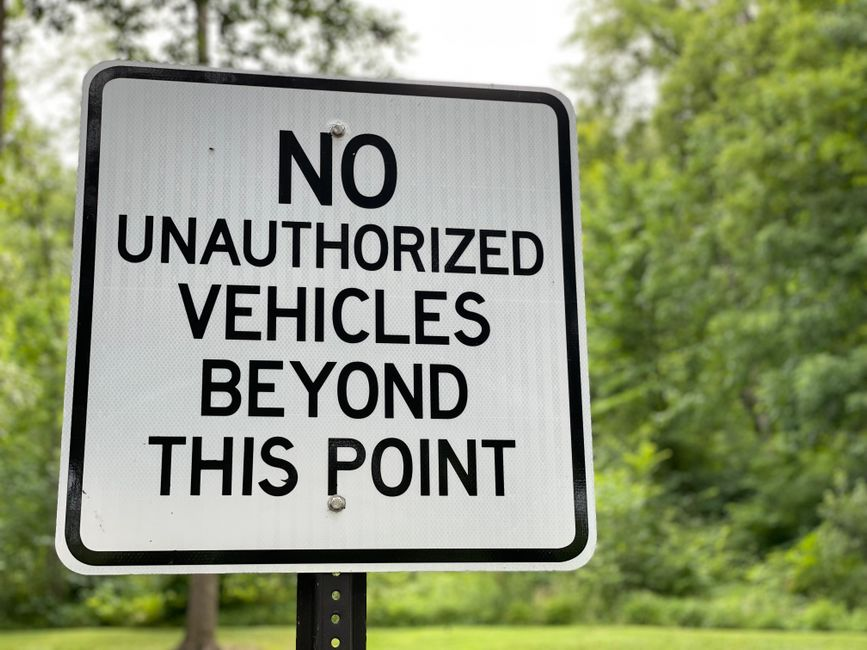
A municipal code violation is any property condition that fails to meet a city or county’s building, zoning, or maintenance requirements, and most cases start with a notice giving the owner a deadline to correct the issue. Reading the notice carefully, gathering documentation, and correcting the underlying problem before the deadline is the surest way to avoid escalating fines or a lien. A licensed contractor can usually handle both diagnosing the violation and completing the repair needed to close the case. As a licensed Florida General Contractor (CGC1524141) and Plumbing Contractor (CFC1430823), our team handles both the permitting and the physical repair needed to resolve the violation.
Table of Contents
- What Is a Municipal Code Violation? (Defining the Problem)
- Step 1: Read the Notice of Violation Carefully (Don’t Panic)
- Step 2: Assess the Violation and Gather Evidence
- Step 3: The Correction Phase (Fixing the Issue)
- Step 4: The Final Inspection and Certificate of Compliance
- Step 5: What If You Disagree? (The Appeals and Defense Process)
- Consequences of Ignoring a Code Violation (The “What Happens If I Don’t?” Section)
- Frequently Asked Questions
- Final Checklist and Key Takeaways
What Is a Municipal Code Violation?
A municipal code violation is any condition on your property that breaks a local city or county ordinance. These ordinances cover everything from overgrown grass and broken windows to unpermitted structures and health hazards. The violation is a civil infraction, not a criminal charge, though chronic non-compliance can lead to criminal penalties in some jurisdictions.
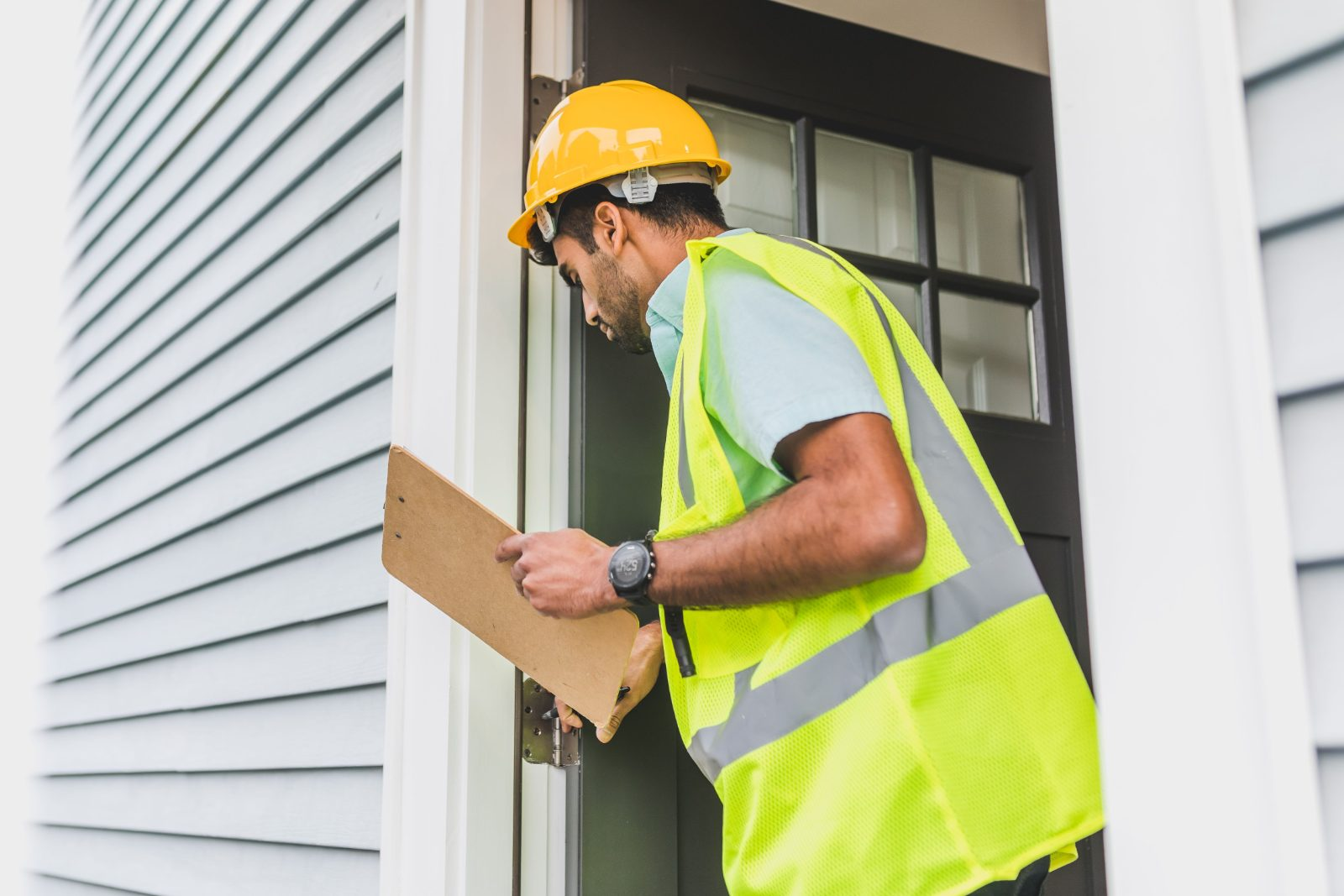
Most violations fall into four major categories. Property maintenance issues include peeling paint, junk accumulation, and neglected landscaping. Zoning violations involve using property in ways the code does not permit, such as running a business in a residential zone or building an addition too close to the property line. Health and safety hazards cover exposed electrical wiring, sewage leaks, and structural instability. Building code violations arise when construction or renovation work was done without permits or fails to meet current safety standards.
Understanding which category your violation falls into matters. It dictates your timeline, the specific department you must deal with, and whether you need a licensed contractor or can handle the fix yourself.
Step 1: Read the Notice of Violation Carefully (Don’t Panic)
The most critical number on the notice is the abatement period, the deadline for fixing the issue. This is usually 10 to 30 days depending on the hazard level. Unsafe structures might require action within 72 hours, while an overgrown lot might give you a full month. Missing this deadline is what triggers fines, so circle the date and treat it as non-negotiable.
Every notice should list an inspector or case officer along with a phone number. Calling them immediately is often the best first move. A brief, polite conversation can clarify exactly what the city expects. You might learn that the inspector only needs to see the junk car removed from the driveway, not the entire property cleaned. That clarification can save you days of unnecessary work.

Check the notice for any mention of a scheduled re-inspection or a right of entry clause. The city may plan to return on a specific date. Property owners have rights regarding entry onto their land, but refusing access can escalate the situation quickly. If the inspector needs to verify interior conditions, arrange a time that works for both parties.
Document the notice itself. Take a photo of it next to the alleged violation on the same day you receive it. This establishes a baseline “before” state that may prove invaluable later, especially if you end up contesting the citation.
How Do You Assess the Violation and Gather Evidence?
Before you start any work, determine whether the violation is actually valid. The notice should cite the specific code chapter and section you allegedly broke. Look up that code online and compare it against your actual property condition. Is the grass truly over 12 inches? Is the fence genuinely over the height limit? If the city made a factual error, you have grounds for an appeal.
Collect your own documentation now. Take timestamped photos of every angle of the alleged violation. Gather receipts for any recent repair work, contractor estimates, and copies of prior permits or variances you have obtained. If a contractor told you the work was up to code, get that in writing.
One powerful defense is grandfathering. If the structure or condition existed before the current code was enacted, it may qualify as a legal non-conforming use. For example, a fence built in 1985 that is six feet tall might be perfectly legal even if today’s code limits fences to four feet. Research when the relevant ordinance took effect and compare it to when your structure was built.
Be aware of the self-reporting trap. If you called the city to ask a general question and they sent an inspector who then cited you, you may have inadvertently triggered the violation. Note this in your file. It does not invalidate the citation, but it provides context if you need to explain the timeline to a hearing board.
When to Hire a Professional (The Contractor Angle)
Structural, electrical, and plumbing violations almost always require a licensed contractor and a permit. Attempting these repairs yourself can create additional violations and safety risks. If you cannot meet the abatement deadline, a contractor can provide a written timeline estimate to show the city you are acting in good faith. For condemned or severely unsafe structures, professional abatement is mandatory. The city will not accept a DIY approach when public safety is at stake.
Step 3: The Correction Phase (Fixing the Issue)
Prioritize safety hazards first. The city cares most about immediate dangers: open electrical panels, raw sewage, structural collapse risks. Fix these within the first 48 hours if possible. Addressing the most serious problems quickly demonstrates good faith and often buys goodwill for the remaining items on the notice.
Before you start any repair that involves construction, check whether you need a permit. Fixing a violation without a permit, such as replacing a roof or adding a wall, can create a second violation that compounds your problems. Call the building department directly and ask. If a permit is required, pull it before the first hammer swings.
Document the work in progress. Take photos at each stage: demolition, rough-in, and final completion. This is your proof for the final inspection. If the city questions whether the work was done properly, you will have a visual record of every step.
Communicate with the officer assigned to your case. Send a brief email or leave a voicemail stating, “Work has begun on case number 4521. I expect completion by March 20th.” This shows cooperation and often buys extra time if you are making visible progress. Silence, by contrast, signals non-compliance and invites escalation.
Step 4: The Final Inspection and Certificate of Compliance
Most cities require you to call or use an online portal to request the final inspection. Do not assume the officer will simply come back on their own. Unrequested re-inspections happen, but relying on one is a gamble you do not want to take.
During the re-inspection, the officer will check only the specific violation listed on the notice. They will not perform a full home inspection unless there is visible new damage or an obvious new hazard. Keep the scope narrow. Do not volunteer information about unrelated issues.
Once the inspector approves the work, you should receive a letter or digital notice stating the violation is abated or complied. Keep this document permanently. It proves you resolved the issue and will be essential during a future home sale, refinance, or insurance review. Store it with your property records and consider keeping a digital backup.
Step 5: What If You Disagree? (The Appeals and Defense Process)
You have the right to contest a violation. This is the most underserved aspect of code enforcement in public information, but it is a critical protection for property owners. The appeals process exists for a reason, and using it does not make you a bad neighbor.
Valid grounds for appeal include factual errors, such as the grass being cut before the citation was issued or the car being moved before the deadline. You can also argue that the city misapplied the code, citing the wrong ordinance or interpreting it incorrectly. A due process violation, such as never receiving proper notice, is another strong basis for appeal.
The hearing typically takes place before a Code Enforcement Board or a Magistrate. This is an administrative tribunal, not a court of law, but the decisions carry legal weight. Present your case with before photos, receipts, and a written timeline. Be polite and factual. Emotional arguments about unfairness rarely persuade. The board often prefers a consent agreement, a formal plan to fix the issue over time, rather than imposing immediate fines.
Understand the risk of escalation. Losing an appeal can result in daily fines, called per diem penalties, or a lien on the property. Weigh the strength of your evidence before choosing to fight rather than comply.
Consequences of Ignoring a Code Violation (The “What Happens If I Don’t?” Section)
Ignoring a violation does not make it disappear. It makes it more expensive. Many cities charge a fine per day the violation exists after the deadline. At $50 or $100 per day, the total can reach thousands of dollars within weeks.
The city can place a lien on your property for unpaid fines and abatement costs. This lien must be satisfied when you sell the house or refinance, and it accrues interest. In extreme cases involving hoarding, chronic neglect, or severe safety hazards, the city can issue a criminal summons. For condemned or structurally unsafe buildings, the city can demolish the structure and bill the owner, creating a demolition lien that can exceed the property’s value.
Frequently Asked Questions
How long do you have to fix a code violation? The timeline depends on the severity. Property maintenance issues like overgrown grass typically allow 30 days. Safety hazards such as exposed wiring or structural damage may require correction within 72 hours. Always check your specific notice for the exact abatement period, as local codes vary significantly.
Can I fight a code enforcement violation? Yes. You have the right to a hearing before a Code Enforcement Board or Magistrate. Bring documentation, photos, and a clear timeline. The board may offer a consent agreement allowing you to fix the issue over time rather than paying an immediate fine.
What happens if I don’t fix a code violation? The city can impose daily fines, place a lien on your property, issue a criminal citation in severe cases, or even demolish a condemned structure and bill you for the cost. Ignoring the notice is the most expensive path available.
Who do I call to report a code violation? Contact your local Code Compliance or Neighborhood Preservation department. Most cities offer phone hotlines and online reporting portals. The specific department name varies by jurisdiction, so search for your city’s code enforcement office directly.
Final Checklist and Key Takeaways
Resolving a code violation does not have to be a nightmare. It is a process of documentation, communication, and compliance. Follow this checklist to stay on track.
Read the notice immediately and note the abatement deadline. Call the officer to clarify the scope of required work. Gather evidence and photos of the alleged violation. Fix the issue yourself or hire a licensed contractor if the work requires permits. Request the final inspection through the city’s official channel. Keep the Certificate of Compliance permanently with your property records.
A code violation is a solvable problem. The city wants compliance, not confrontation. By following the steps outlined here, you can resolve the issue efficiently and protect your property rights in the process.



0 Comments