A code violation in Cape Coral is a property condition that fails to meet the city’s Code Compliance standards, and the most common cases involve unpermitted structures, overgrown lots, and exterior maintenance issues. Cape Coral’s civil fine structure under Ordinance 19-24 increases penalties the longer a violation goes uncorrected, so timing matters once a notice is issued. Resolving the case means fixing the underlying issue and passing a final inspection before fines or a lien attach to the property. As a licensed Florida General Contractor (CGC1524141) and Plumbing Contractor (CFC1430823), our team handles both the permitting and the physical repair needed to resolve the violation.
Table of Contents
- Understanding Cape Coral’s Code Compliance Division
- The 10 Most Common Code Violations in Cape Coral
- New Civil Fine Structure (Ordinance 19-24): What Changed in 2024/2025
- Step-by-Step: How to Resolve a Cape Coral Code Violation
- How to Appeal a Code Violation in Cape Coral
- The GIS Transparency Tool: Look Up Any Code Enforcement Case
- Can You Report a Code Violation Anonymously in Cape Coral?
- Typical Resolution Timelines for Common Violations
- Cape Coral vs. Neighboring Cities: How Enforcement Compares
- Frequently Asked Questions About Cape Coral Code Violations
- When to Call a Professional Code Violation Contractor
How Does Cape Coral’s Code Compliance Division Work?
The City of Cape Coral’s Code Compliance Division oversees enforcement for residential and commercial properties across the city, along with occupational license ordinance violations for businesses. The division operates under a philosophy the city calls “Compliance Through Cooperation.” That language is not just a slogan. It reflects a deliberate approach that prioritizes voluntary correction and public education over punitive measures. The division’s stated mission emphasizes courtesy, professionalism, sensitivity, and compassion in every interaction.
In practice, this means the city generally gives property owners a reasonable window to fix a violation before fines kick in. The division handles a broad range of issues: overgrown lots, unpermitted construction, stagnant water, dangerous structures, junk storage, sidewalk disrepair, and more. Code officers respond to complaints, conduct proactive sweeps, and manage the administrative side of hearings, liens, and abandoned property cases.
One feature that sets Cape Coral apart from many municipalities is its commitment to public transparency. The city’s GIS open data portal tracks 644,167 code enforcement case records, with the dataset last updated in May 2025. Any resident can search this database by address, case number, or owner name, seeing the full history of violations, inspections, and resolutions tied to a specific property.
The 10 Most Common Code Violations in Cape Coral
The city regularly publishes lists of its most frequently cited violations. Knowing what triggers a notice helps property owners stay ahead of potential fines.
Overgrown Lawns and Landscaping
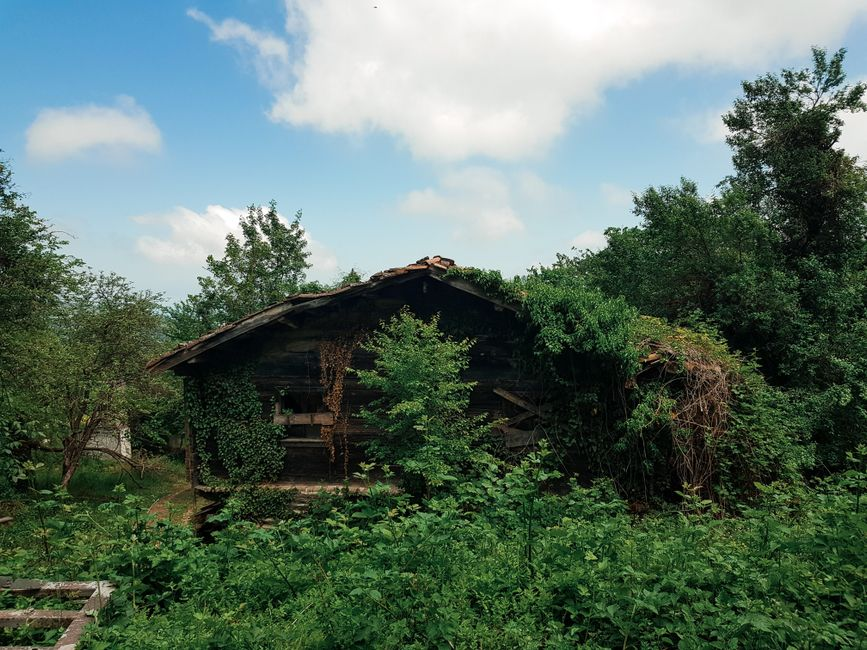
Grass or weeds exceeding 12 inches in height is the single most common violation in Cape Coral. The rule applies to front yards, backyards, and side lots, including vacant parcels. Unmaintained trees, shrubs, and invasive vegetation that block sidewalks or obstruct sight lines at intersections also fall under this category. During the rainy summer months, growth accelerates quickly, and the city sees a corresponding spike in complaints.
Unpermitted Work and Construction
Any structural addition, fence, shed, carport, or major renovation completed without a city permit constitutes a violation. The city actively cross-references building permit records with property inspections and aerial imagery. Homeowners who install a new roof, enclose a lanai, or pour a concrete pad without pulling permits often receive a notice requiring them to either obtain a retroactive permit or remove the unpermitted work entirely.
Trash, Debris, and Junk Storage
Accumulation of household waste, discarded furniture, appliances, scrap materials, or construction debris visible from the street or neighboring properties is prohibited. This category also includes the storage of inoperable vehicles, boats, or trailers on residential lots unless they are kept inside a fully enclosed garage.
Stagnant Water and Mosquito Hazards
Pools, ponds, birdbaths, or any containers holding standing water for more than seven days are treated as public health hazards. Cape Coral’s extensive canal system and warm climate make mosquito control a serious concern, and code officers prioritize stagnant water complaints accordingly.
Dangerous Buildings and Structures
Properties with structural decay, fire damage, roof collapse, or any condition that poses a safety risk to occupants or neighbors can be declared dangerous buildings. The city has the authority to order immediate remediation and, in extreme cases, to demolish structures that are beyond repair.
New Civil Fine Structure (Ordinance 19-24): What Changed in 2024/2025
In 2024, the city adopted Ordinance 19-24, which fundamentally changed how fines are issued for certain code violations. The new system was designed as a “swift penalty” tool, allowing the city to issue civil fines directly rather than routing every case through a special magistrate hearing. The goal, according to Code Compliance Manager Todd Hoagland and City Attorney Aleksandr Boksner, was to reduce the amount of time blight conditions remain in the community.
The ordinance applies to five specific violation types: obnoxious growth, refuse and litter, dangerous buildings or structures, stagnant water, sidewalk repair, and storage of junk. For these violations, the fine structure follows a tiered escalation within a rolling 12-month period. A first violation carries a $150 fine. A second violation within one year jumps to $500. A third reaches $1,000. A fourth or subsequent violation within the same year costs $2,000.
These fines are per violation, and they can accumulate daily if the property owner fails to correct the issue by the compliance deadline. Before Ordinance 19-24, the city could only impose fines through a formal hearing process, which created delays. Now, the fines attach automatically once the deadline passes, creating a strong financial incentive for prompt correction.
How Do You Resolve a Cape Coral Code Violation?
Receiving a violation notice can be stressful, but the resolution process is straightforward if you act quickly and follow the required steps.
Step 1: Read Your Notice of Violation Carefully
Notices are delivered through several methods: certified mail, hand delivery by a code officer, left at the violator’s usual place of residence, or left with a manager of an establishment for commercial properties. The notice will specify the exact violation type, the section of city code you are accused of violating, the required corrective action, and a compliance deadline. Deadlines typically range from 7 to 30 days depending on the nature of the violation.
Step 2: Correct the Violation Before the Deadline
Voluntary compliance is the city’s preferred outcome. If you fix the problem before the deadline, no fine is issued. For overgrown lots, this means mowing, trimming, and removing debris. For unpermitted work, you have two options: apply for a retroactive permit through the Building Department or remove the unpermitted structure. For trash and debris, clear the property and arrange for proper disposal. Document your corrective actions with dated photographs.
Step 3: Request a Reinspection
Once you have corrected the issue, contact the Code Compliance Division to schedule a reinspection. An officer will visit the property to verify compliance. If the inspector confirms the violation has been resolved, the case is closed with no further penalties. Keep your case number handy when calling.
Step 4: If You Cannot Comply, Request an Extension
Extensions are available for legitimate reasons such as weather delays, contractor scheduling conflicts, or financial hardship. The key is to request the extension before the compliance deadline expires. You can submit a written request to the division or attend a public comment session to explain your situation. Extensions are granted at the city’s discretion, and showing good-faith effort goes a long way.
How to Appeal a Code Violation in Cape Coral
Property owners have the right to appeal any notice of violation by requesting a hearing before a special magistrate. The process is relatively informal and quasi-judicial. You can present evidence, photographs, witness testimony, and any documentation that supports your case.
Filing an appeal requires a $250 fee, paid upfront when you submit the request. Here is what makes Cape Coral’s system unusual: the $250 is fully refunded if the special magistrate rules in your favor. This creates a meaningful risk-and-reward dynamic. If you believe the violation was issued in error, such as a citation for grass over 12 inches when you have proof it was recently cut, the refund mechanism makes it financially viable to challenge the notice.
Preparation is critical. Bring time-stamped photos, receipts for work completed, permit applications, or any other evidence that contradicts the violation. The magistrate’s decision is final at the administrative level, though further legal appeal options may exist through the court system.
The GIS Transparency Tool: Look Up Any Code Enforcement Case
Cape Coral offers a publicly accessible ArcGIS open data portal containing all 644,167 code enforcement case records. This tool is one of the most transparent municipal code enforcement databases in Florida. Users can search by property address, case number, owner name, or case status, whether open or closed.
Each record includes the case number, property address, owner information, violation type, relevant dates, and current status. For homebuyers and real estate investors, this is an invaluable due diligence resource. Before making an offer on a property, you can check its full code enforcement history. A pattern of repeated violations or unresolved fines may signal deeper maintenance issues or pending liens that could complicate a closing.
Can You Report a Code Violation Anonymously in Cape Coral?
The short answer is no. The city requires complainants to provide their name and address when filing a code enforcement complaint. This information becomes part of the official case record. While the city does not publicly advertise complainant identities on its GIS portal or in routine correspondence, the information may be disclosed during a special magistrate hearing if a case proceeds to that stage.
Residents can report violations through the Cape Coral 311 app, by phone, or by email, but all of these channels still collect identifying information. The lack of an anonymous reporting option is a frequent source of public frustration, as reflected in community discussions online. For residents concerned about neighbor disputes, this is an important factor to weigh before filing a complaint.
Typical Resolution Timelines for Common Violations
Response times vary by violation type and city workload. Overgrown lot complaints typically see an inspection within three to five business days, with a compliance deadline of 7 to 14 days. Unpermitted work cases take slightly longer, with inspections occurring within five to seven business days and compliance deadlines of 30 days or more if the owner applies for a retroactive permit. Trash and debris complaints are often inspected within two to three business days, with a seven-day compliance window. Stagnant water cases receive priority treatment due to public health implications, with inspections often occurring within 24 to 48 hours and a seven-day deadline for correction.
These are estimates based on typical city operations in 2026. During high-volume periods, such as hurricane season or spring growth spurts, response times may stretch longer. Following up on your complaint through the 311 app or by phone is advisable if you have not seen action within the expected window.
Cape Coral vs. Neighboring Cities: How Enforcement Compares
Cape Coral’s approach to code enforcement differs from its neighbors in several notable ways. Fort Myers uses a similar complaint-driven system but does not offer a public GIS database of all cases, making it harder for residents and buyers to research property histories. Lee County handles enforcement for unincorporated areas through its Environmental Division, which is less centralized than Cape Coral’s dedicated Code Compliance Division.
The GIS transparency tool is genuinely unique in the region. No other local municipality publishes over 644,000 case records online with searchable, mappable access. On the fine structure, Cape Coral’s $150 starting fine is lower than Fort Myers’ $250 first-offense penalty, but Cape Coral’s escalation to $2,000 by the fourth violation within one year is steeper and faster. This reflects the city’s emphasis on using escalating financial pressure to compel compliance.
Frequently Asked Questions About Cape Coral Code Violations
How do I find out who called code enforcement on me?
The city does not publicly disclose complainant names through its online portal or routine correspondence. However, the complainant’s identity is part of the official case file and may be revealed during a special magistrate hearing if the case reaches that stage. There is no guaranteed way to shield a complainant’s identity if a hearing occurs.
What happens if I ignore a code violation notice?
Fines escalate daily after the compliance deadline passes. The city can also place a lien on your property for unpaid fines, and in extreme cases involving prolonged noncompliance, it can pursue foreclosure. Ignoring a notice is the most expensive path you can take.
Can I sell my house with an open code violation?
Yes, but the violation must be disclosed to the buyer. Most title companies and mortgage lenders will require the violation to be resolved before closing. Unresolved violations can delay or derail a sale, so addressing them early is in your best interest.
How does the Lien Reduction Program work?
Property owners with existing code enforcement liens can apply for a reduction through the special magistrate process. To qualify, you must first bring the property into full compliance. The magistrate then reviews the case and may reduce the lien amount based on factors such as hardship, cooperation, and the length of time the violation persisted. Each case is decided individually, and partial payment of the remaining lien is typically required.
When to Call a Professional Code Violation Contractor
Some violations are straightforward enough to handle on your own. Mowing an overgrown lawn or hauling away debris does not require professional help. But if you have received a violation for structural issues, unpermitted work, or a dangerous building designation, DIY correction may not be realistic or safe. A licensed contractor familiar with Cape Coral’s code enforcement process can obtain retroactive permits, perform structural repairs, and in some cases represent you at hearings or communicate with code officers on your behalf.
The cost of hiring a contractor is often less than the cumulative daily fines that accrue when a violation goes uncorrected. If you are facing a complex violation and are unsure where to start, professional guidance can save you time, money, and legal headaches.

0 Comments