
A code violation in Tampa is any condition on a property that doesn’t comply with the city’s building, zoning, or property maintenance codes, and it’s typically opened after a neighbor complaint or a routine inspector sweep. Tampa’s Code Enforcement division investigates the complaint, issues a notice with a deadline to correct it, and escalates to fines or a Municipal Code Enforcement Board hearing if the deadline passes. Resolving it means fixing the underlying issue and getting the city to sign off before it turns into a lien. As a licensed Florida General Contractor (CGC1524141) and Plumbing Contractor (CFC1430823), our team handles both the permitting and the physical repair needed to resolve the violation.
Table of Contents
- What Is a Code Violation in Tampa? (Defining the Rules)
- How to Report a Tampa Code Violation (Step-by-Step)
- What Happens After You File a Complaint? (The Enforcement Process)
- Your Rights and Privacy When Reporting a Tampa Code Violation
- How to Appeal a Tampa Code Violation or Citation
- Frequently Asked Questions About Tampa Code Violations
- Tips for Staying Code Compliant in Tampa (Prevention)
- Get Professional Help with Your Tampa Code Violation
What Counts as a Code Violation in Tampa?
A code violation is a breach of local ordinances that govern property maintenance, land use, zoning, and public safety. These rules exist to keep neighborhoods safe, functional, and visually orderly. When a property falls outside those standards, the owner can be cited and required to correct the problem.
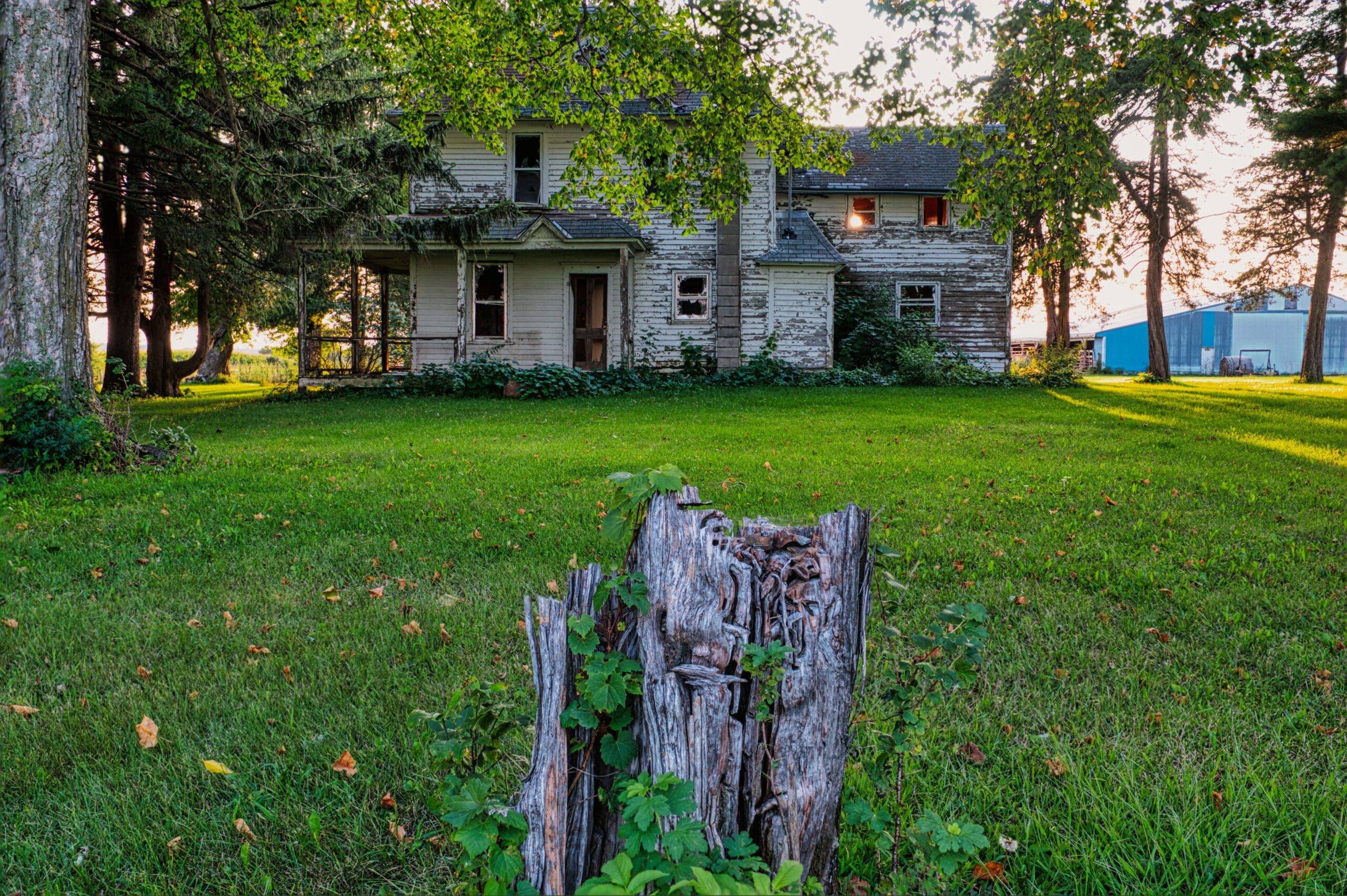
In Tampa, the most common violation types include abandoned or inoperative vehicles parked in view, overgrown lots with grass and weeds exceeding the legal height, accumulated junk, trash, or debris on the property, structural and building defects that pose safety risks, commercial vehicles parked in residential zones, and animal nuisances such as excessive noise or unsanitary conditions. This is not an exhaustive list, but it covers the bulk of what code enforcement officers encounter daily.
Jurisdiction matters. The City of Tampa’s Neighborhood Enhancement Division handles violations within city limits. If you live in an unincorporated part of Hillsborough County, the county’s separate Code Enforcement department has authority instead. You can reach Hillsborough County Code Enforcement at (813) 274-6600. The City of Tampa merged its former Code Enforcement and Clean City Divisions into the Neighborhood Enhancement Division, which now oversees enforcement, graffiti removal, illegal dumping abatement, litter control, and neighborhood tree services under one umbrella. This consolidation explains the current organizational structure and why you will see references to both old and new division names in older documents.
How Do You Report a Tampa Code Violation?
If you need to report a violation, the City of Tampa has streamlined the process through its online portal. The primary method is Tampa Connect, accessible at tampaconnect.com. The city provides a stated resolution estimate of five business days for standard complaints submitted through this system, though complex cases may take longer.
When you file a complaint, you must provide your name and address. This is not optional. As of July 1, 2021, in accordance with House Bill 60 and codified in Florida Statutes 162.21 and 166.0415, the City of Tampa does not accept anonymous complaints of code violations. If you submit a complaint without identifying information, it will not be processed.
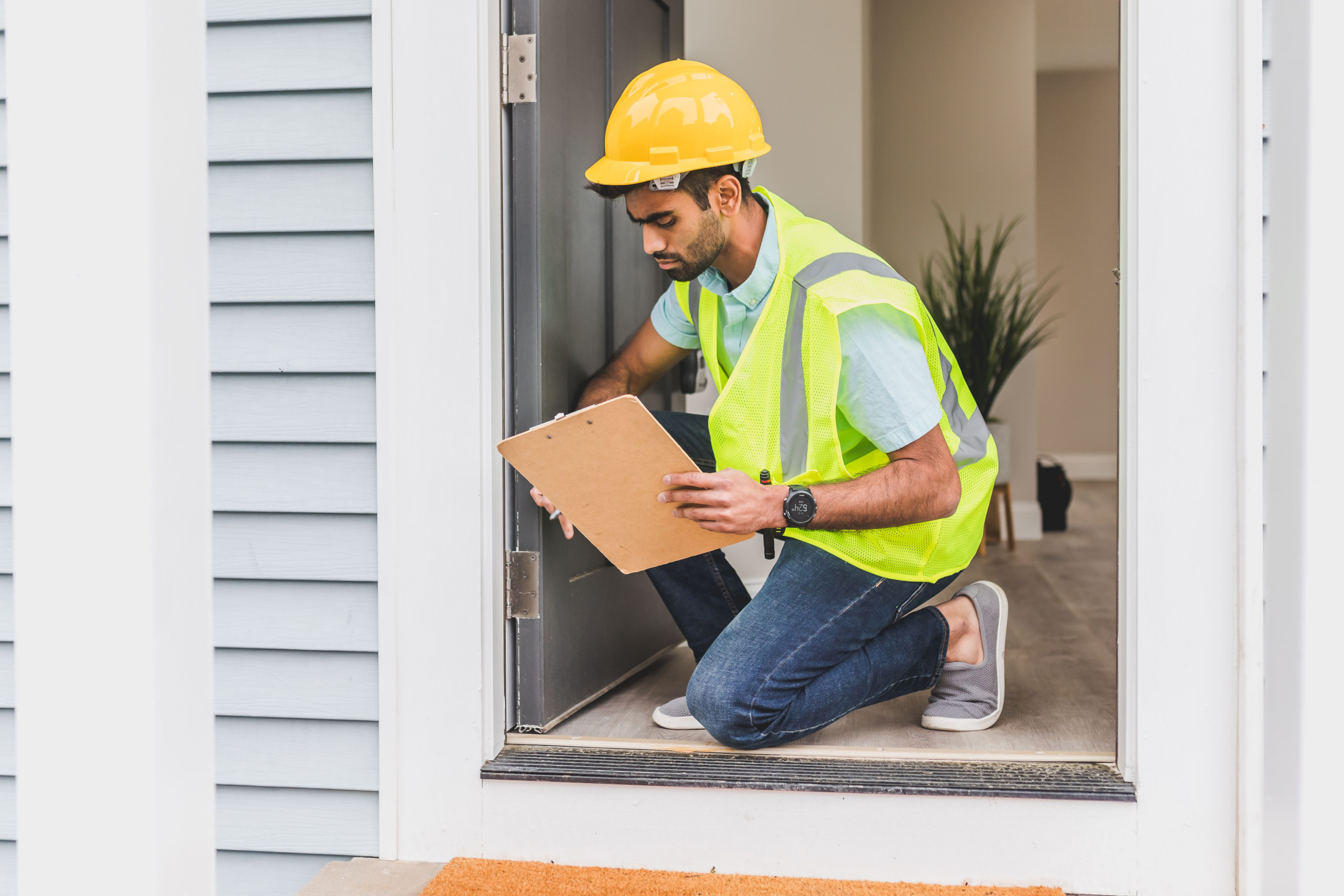
You can also report violations by phone. The Customer Service Center is available at (813) 274-8211, and the Neighborhood Enhancement Division’s direct office line is (813) 274-5545. Office hours are Monday through Friday, 8:00 AM to 4:30 PM. Phone reporting follows the same identification requirements as online submissions.
Not every complaint goes through code enforcement. Noise complaints involving loud music or non-animal disturbances must be directed to the Tampa Police Department’s non-emergency line at (813) 231-6130. For construction permit issues and tree-related complaints, the city directs residents to use the Accela Citizen Access Portal rather than the standard Tampa Connect system. Knowing which channel to use saves time and prevents your complaint from being delayed or dismissed.
What Happens After You File a Complaint? (The Enforcement Process)
Many people file a complaint and then wonder what happens behind the scenes. The enforcement process follows a structured sequence, and understanding it helps set realistic expectations whether you are the complainant or the property owner who receives a notice.
The process begins with intake and assignment. When a complaint is logged, it enters the city’s case management system and is assigned to a code enforcement inspector based on geographic zone and violation type. The inspector reviews the complaint details and schedules a site visit.
Next comes the inspection. The inspector visits the property to verify whether a violation exists. They may take photographs, record measurements, and document conditions. If the inspector finds no violation, the case is closed. If a violation is confirmed, the process moves forward.
The property owner then receives a Notice of Violation. This formal document details the specific ordinance that has been breached, describes the required corrective action, and states a compliance deadline. The deadline varies depending on the nature and severity of the violation. This notice is typically mailed to the property owner of record and may also be posted on the property itself.
After the compliance deadline passes, the inspector conducts a re-inspection. If the owner has corrected the issue, the case is closed. The city tracks a metric called the Percentage of Voluntary Compliance, which reflects how often property owners fix problems without further enforcement action.
If the owner does not comply, the case escalates. It may be scheduled for a hearing before a Special Magistrate, which functions as an administrative court for code enforcement matters. The magistrate has the authority to impose fines, place liens on the property, or order other remedies. The city maintains a public-facing Neighborhood Enhancement Performance Dashboard that tracks metrics including complaint response times, average days cases remain open, voluntary compliance rates, and the percentage of proactive cases initiated by inspectors rather than complaints.
Your Rights and Privacy When Reporting a Tampa Code Violation
Florida’s approach to code enforcement transparency creates a tension that every potential complainant should understand. There is no anonymity in the system. State law requires complainants to provide their name and address, and that information becomes public record subject to disclosure under Florida’s Sunshine Law.
This means that if you report a neighbor for a violation, your identity can be obtained through a public records request. Hillsborough County explicitly warns complainants about this on its website. The person you reported can walk into the City Clerk’s office, file a request, and learn exactly who filed the complaint. This is not a hypothetical concern: “Can I find out who called code enforcement on me?” is one of the questions Tampa property owners ask most often.
If privacy is a concern, you have a few options. You can have a third party such as a property manager, homeowners’ association representative, or attorney file the complaint on your behalf. You can also weigh the severity of the violation against the potential for neighbor conflict and decide whether a direct conversation with the property owner might resolve the issue without involving the city at all. For property owners who receive a violation and want to know who reported them, the path is straightforward: submit a public records request to the City Clerk’s office specifying the case number and the information you seek.
How to Appeal a Tampa Code Violation or Citation
Receiving a citation does not mean you have no recourse. The city provides a formal appeals process, and ignoring a notice is the worst possible response. Failure to respond can result in automatic fines, liens, and escalating penalties that become much harder to unwind.
Start by reviewing the notice carefully. It will state the deadline for response and the specific ordinance you are alleged to have violated. Mark that deadline on your calendar and act before it passes.
You have the right to contest the violation before a Special Magistrate. To exercise this right, submit a written request for a hearing to the Neighborhood Enhancement Division. The notice should include instructions for where and how to file this request. Do not delay: hearings are scheduled in advance, and waiting until the last minute may limit your options.
Prepare your case thoroughly. Gather photographs of the property, receipts for any repairs or maintenance you have completed, contractor estimates if work is pending, and any other documentation that supports your position. If you have already corrected the violation, bring proof. If you need more time, be ready to explain why and to show that you are making a good-faith effort.
At the hearing, you will present your case to the magistrate. The city will also present its findings. The magistrate can dismiss the violation entirely, grant an extension for compliance, reduce any proposed fines, or impose the full penalties allowed by ordinance. If you disagree with the magistrate’s ruling, you have the right to appeal to the Circuit Court. This step requires legal counsel and involves filing a formal appeal within the statutory timeframe, typically thirty days.
Frequently Asked Questions About Tampa Code Violations
How do I find out the code enforcement in Tampa? The City of Tampa’s Neighborhood Enhancement Division handles properties within city limits. If your property is in an unincorporated area, Hillsborough County Code Enforcement has jurisdiction. Check your property tax record or utility bill if you are unsure which jurisdiction applies, or call either office and provide your address for confirmation.
Can I find out who called code enforcement on me? Yes. Complainant information is public record in Florida. To obtain it, file a public records request with the City Clerk’s office or the county records custodian, depending on which agency handled the complaint. You will need the case number or your property address to facilitate the search.
What does a code violation mean? It means your property is not in compliance with local ordinances governing safety, maintenance, or zoning. Common examples include overgrown grass, junk vehicles, accumulated debris, or unsafe structures. A violation notice is a directive to correct the condition within a specified timeframe.
How long do I have to fix a code violation in Tampa? The compliance deadline is stated in your Notice of Violation. Timeframes vary based on the violation type and severity. If you need more time, you can request an extension by demonstrating that you are actively working toward compliance. Extensions are not guaranteed, but the city generally prefers voluntary correction over enforcement action.
Tips for Staying Code Compliant in Tampa (Prevention)
The easiest code violation to resolve is the one you never receive. Regular property maintenance is the single most effective prevention strategy. Keep lawns mowed, hedges trimmed, and gutters clear. Remove debris, old appliances, and accumulated junk promptly. Ensure all vehicles on the property are operable, currently registered, and parked on approved surfaces.
Know your zoning restrictions. Commercial vehicles with signage, equipment racks, or business markings are often prohibited from being parked in residential zones overnight or at all. If you operate a business from home, verify that your vehicle storage complies with local ordinances.
Before starting any construction project, check permit requirements. Structural changes, fences, sheds, decks, and even some landscaping projects may require permits from the City of Tampa’s Construction Services Division. Working without a permit can result in a stop-work order and a code violation.
Use the Accela Citizen Access Portal proactively. Before buying or selling a home, search for any open cases or permits associated with the property. Unresolved violations can complicate real estate transactions and become the new owner’s responsibility. Building a relationship with your neighbors also helps. A quick conversation can often resolve a potential violation before a formal complaint is filed, preserving both neighborhood harmony and your time.
Get Professional Help with Your Tampa Code Violation
Many code violations are straightforward to fix: mow the lawn, remove the junk car, clear the debris. But complex structural issues, zoning disputes, and cases that have escalated to a magistrate hearing often require professional assistance. A contractor who specializes in code violation resolution can help with inspections, repairs, permit navigation, and even representation at hearings. If you are facing a Tampa code violation and need expert guidance on bringing your property into compliance, we can help you understand your options and build a plan. For hands-on assistance with repairs, permits, and the enforcement process, visit our services page or contact us to schedule a consultation.

0 Comments