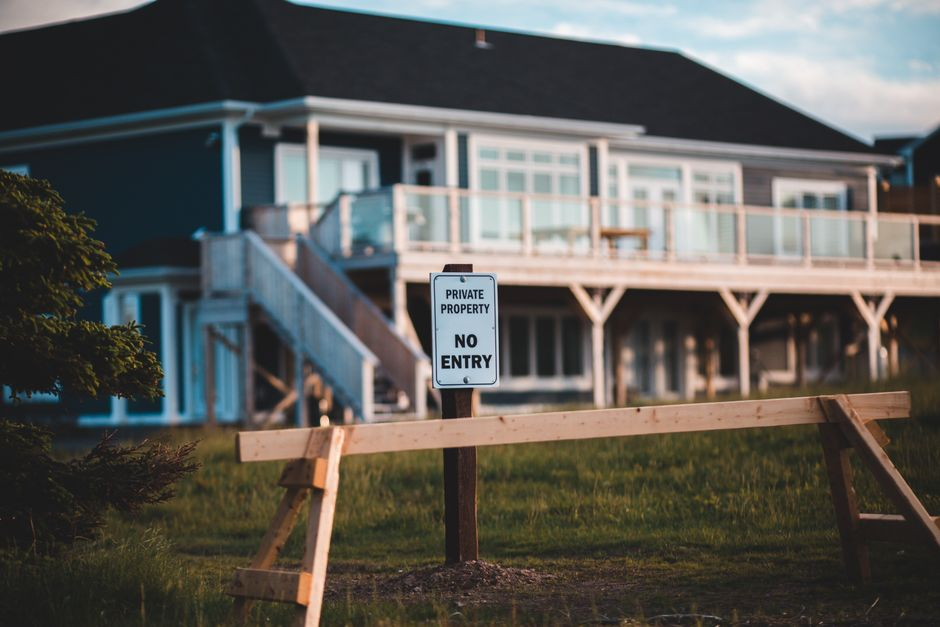
A code violation on Anna Maria Island means a property doesn’t meet the island’s building, zoning, or short-term rental requirements, and it can range from an unpermitted deck to a rental operating without the required license. Because Anna Maria Island is a small coastal community with strict rules on density, setbacks, and vacation rentals, enforcement tends to move faster than in mainland Manatee County. Correcting the violation and passing re-inspection is the only way to clear it before it escalates into fines or a lien. As a licensed Florida General Contractor (CGC1524141) and Plumbing Contractor (CFC1430823), our team handles both the permitting and the physical repair needed to resolve the violation.
Table of Contents
- Why Code Enforcement on Anna Maria Island Is Different in 2026
- The 5 Most Common Code Violations on Anna Maria Island
- How to Report a Code Violation Step by Step
- What Happens After a Violation Is Reported: Fines and Penalties
- Can You Find Out Who Reported You to Code Enforcement?
- Can Code Enforcement Enter Your Property in Florida?
- How to Appeal a Code Violation on Anna Maria Island
- Property Owner and Landlord Responsibilities for Rental Compliance
- Key Contacts for Code Enforcement on Anna Maria Island in 2026
- Frequently Asked Questions
Why Is Code Enforcement on Anna Maria Island Different in 2026?
The island’s code enforcement landscape is fragmented by design. The City of Anna Maria handles violations within its municipal limits. Holmes Beach and Bradenton Beach do the same for theirs. Manatee County covers unincorporated pockets and provides broader support. A house on one side of Gulf Drive might answer to Holmes Beach, while the property across the street falls under county jurisdiction. This patchwork means a violation that carries a $50 fine in one zone could cost $250 in another, and the appeal process varies accordingly.
Adding to the complexity is a recent personnel controversy that shook the City of Anna Maria’s code enforcement office. In late May 2026, Code Enforcement Manager Tom Collins was placed on paid administrative leave while the city investigated allegations of workplace misconduct toward female staff members. The investigation examined claims of unwanted physical contact, unprofessional comments, and the practice of chiropractic adjustments on employees without a license during work hours. Collins was reinstated on June 17, 2026, under a corrective action plan. For residents and property owners, this matters because it may have caused procedural delays or shifts in how that office handles cases. Knowing the context helps you understand why a citation might take longer to process or why the tone of enforcement feels different.
One rule that applies across all jurisdictions is the prohibition on anonymous complaints. Under Florida Statute 162.21, code enforcement officers cannot investigate a tip unless the complainant provides their name and address. This is a critical detail whether you are thinking about reporting a neighbor or worried that someone reported you. The law exists to prevent frivolous or retaliatory complaints, but it also means that anyone who files a report leaves a paper trail.
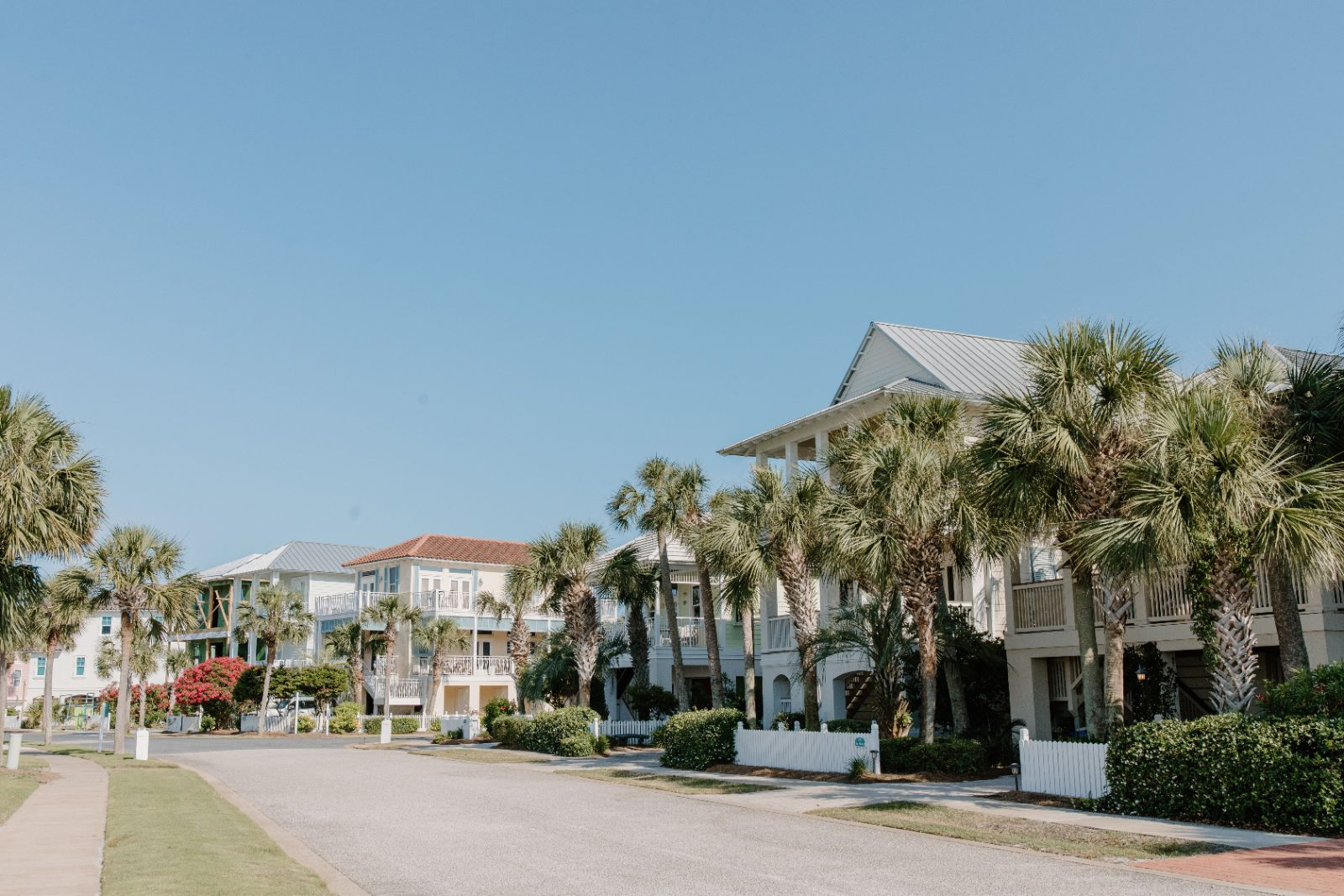
Tourist and resident friction adds another layer. Anna Maria Island hosts thousands of short-term visitors each year, and many common violations, particularly noise and trash infractions, originate at rental properties. Enforcement officers must balance the rights of full-time residents with the reality that vacationers may not know local rules. The result is an enforcement environment that can feel aggressive to landlords and renters alike.
The 5 Most Common Code Violations on Anna Maria Island
1. Trash and Yard Waste Timing
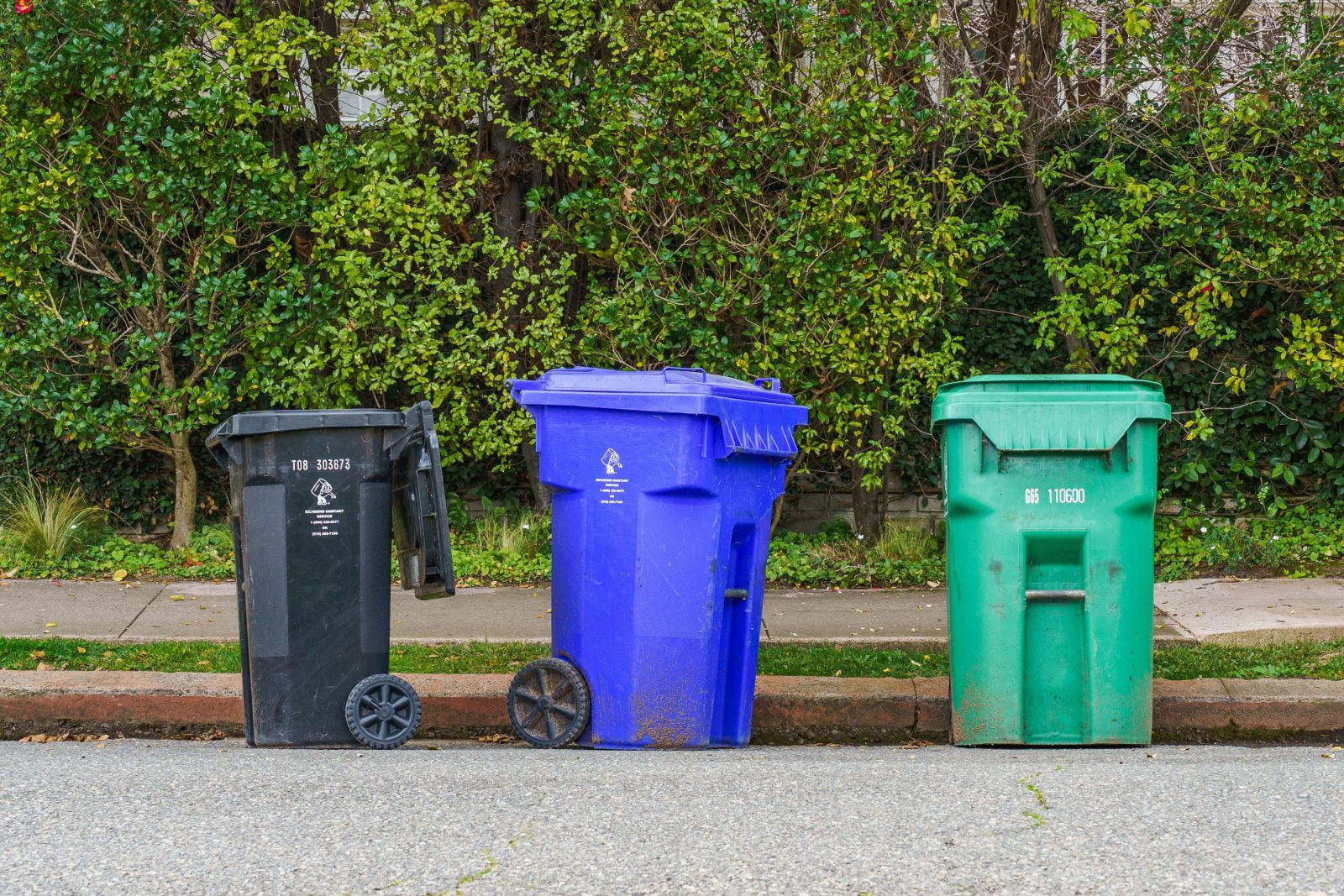
Trash violations are the most frequently cited offense on the island, and the rules are unforgiving. In most jurisdictions, trash cans cannot be placed at the curb before 6:00 PM on the day before collection. They must be removed by 9:00 PM on collection day. Leaving them out overnight or over a weekend is a ticketed offense. Yard waste and recycling placed on the curb on non-collection days are also common violations. Enforcement is especially strict in residential neighborhoods with a high concentration of rental properties, where overflowing bins and early placement are seen as quality-of-life issues. A single photo from a neighbor or officer is enough to trigger a notice.
2. Noise Ordinance Violations and Quiet Hours
Quiet hours on Anna Maria Island begin at 10:00 PM and run until 7:00 AM, with some jurisdictions extending the cutoff to 8:00 AM on weekends. The noise ordinance covers loud music, shouting on patios and balconies, and construction activity outside permitted hours. While decibel-level guidance exists, most citations are issued based on an officer’s judgment of what constitutes an unreasonable disturbance. A vacationer laughing loudly on a deck after 10:00 PM can generate a complaint, and that complaint will stick if the officer confirms the noise from the street. Renters often do not realize that sound carries across the water and through the island’s quiet residential streets.
3. Parking and Vehicle Storage
Parking enforcement has become a flashpoint on the island, with residents voicing frustration in community forums about what they see as overly aggressive ticketing. Overnight street parking is prohibited in many zones. Recreational vehicles, boats, and trailers cannot be parked in driveways or on lawns. Parking on grass or any unimproved surface is a violation, even on your own property. The high search volume for “Anna Maria parking ticket” reflects how many people are caught off guard. If you are visiting or hosting guests, assume that every vehicle must be on a paved, designated surface by nightfall.
4. Property Maintenance and Overgrowth
Overgrown lawns, dead or hazardous trees, and the accumulation of debris including construction materials fall under property maintenance codes. The island’s subtropical climate means vegetation grows fast, and a property that looks neglected for even a few weeks can attract a citation. Rental properties with absentee owners are frequent targets, as landscaping issues become visible quickly and neighbors are less tolerant when the owner is not present.
5. Short-Term Rental Compliance
Rental properties must display a valid Manatee County business tax receipt and adhere to posted occupancy limits. Trash and noise violations committed by renters often become the property owner’s legal problem. The fine attaches to the property, not the guest. Owners are expected to provide renters with a copy of local ordinances, and failure to do so can be cited as a separate violation. A single noise complaint can trigger a broader inspection of the property’s compliance with safety and occupancy codes.
How Do You Report a Code Violation Step by Step?
If you need to report a violation, you have three primary options. The fastest method for unincorporated areas and some city jurisdictions is the Manatee 311 app, available for iOS and Android. The app lets you submit a complaint with photos and GPS-tagged location data, which speeds up the officer’s response.
You can also call 311 or contact code enforcement directly. Holmes Beach residents and those with complaints in that jurisdiction can reach Code Compliance Chief James (JT) Thomas at (941) 932-6426. Manatee County’s general code enforcement line is (941) 748-2071. For email submissions, send details and photo evidence to code.enforcement@mymanatee.org or jthomas@holmesbeachfl.org.
Be prepared to provide your full name and address. Florida Statute 162.21 prohibits officers from acting on anonymous tips, so your report will be rejected if you do not include identifying information. Include clear photos, the specific address of the violation, and a description of what you observed. Code enforcement officers and 311 operators are available Monday through Friday from 8:00 AM to 5:00 PM. After-hours calls go to voicemail. If the situation involves an active hazard or immediate danger, call 911 rather than waiting for a code enforcement response.
What Happens After a Violation Is Reported: Fines and Penalties
Once a complaint is filed and verified, the process follows a predictable path. The property owner typically receives a warning letter or a notice of violation first, with a compliance deadline of 7 to 14 days depending on the jurisdiction and the nature of the infraction. If the violation is corrected within that window, the case is usually closed without a fine.
If the violation persists, fines begin accruing. First-offense fines often start at $50 to $100 per day. Repeat violations or ongoing noncompliance can escalate to $250 to $500 per day. These daily fines accumulate quickly, and a property owner who ignores a notice for a month can face thousands of dollars in penalties. If the violation remains uncorrected, the case may be referred to a Special Magistrate for a hearing. The magistrate has the authority to impose additional fines and, in serious cases, place a lien on the property. It is worth noting that most official websites do not publish a specific fine schedule, which makes this information difficult to find. The absence of published dollar amounts is a persistent gap, and property owners are often surprised by the totals when they finally receive a bill.
Can You Find Out Who Reported You to Code Enforcement?
This is one of the most common questions people ask after receiving a citation, and the answer is nuanced. During an active investigation, the complainant’s identity is generally treated as confidential, even though Florida Statute 162.21 requires the person to provide their name and address to the officer. The law does not require the officer to share that information with the person being investigated.
After a case is closed, the complainant’s name may become accessible through a Florida Public Records Act request. Whether it is released depends on the jurisdiction’s specific policies and whether any exemptions apply. Practically speaking, focusing your energy on identifying the reporter is rarely productive. Fixing the violation is the fastest way to close the case and stop fines from accumulating. Retaliating against a complainant, even if you discover their identity, can lead to separate legal consequences that are far more serious than the original code violation.
Can Code Enforcement Enter Your Property in Florida?
Code enforcement officers do not have unrestricted access to your property. The Fourth Amendment protects against unreasonable searches, and that protection extends to your home and fenced backyard. Officers generally need your permission, a warrant, or an emergency exception, such as an imminent safety hazard, to enter.
However, the plain view doctrine gives officers significant latitude. If a violation is visible from the street, a public sidewalk, or a neighboring property, no entry is required. The officer can cite you based on what they can see from the curb. For repeat offenders or cases involving suspected structural violations, the city may seek an administrative search warrant. If an officer arrives at your door and asks to inspect your property, you have the right to refuse entry unless they present a warrant. Understanding this boundary is important, especially if you believe the violation is not valid or the officer is overreaching.
How to Appeal a Code Violation on Anna Maria Island
Receiving a citation is not the end of the road. Every jurisdiction on the island provides an appeals process, and many violations are dismissed or reduced if you act promptly. Start by reading the citation carefully. It will state the deadline for filing an appeal, which is typically 10 to 30 days from the date of issuance. Missing that deadline forfeits your right to contest the violation.
File a written appeal with the jurisdiction’s Code Enforcement Board or Special Magistrate. Your appeal should explain why you believe the citation was issued in error or why the violation should be excused. Include supporting evidence such as photographs, receipts for repairs, or witness statements. You will be given a hearing date, and you should attend in person. At the hearing, you can present your evidence and testimony. The board or magistrate will issue a ruling, which may uphold the citation, reduce the fine, or dismiss the case entirely.
If the ruling goes against you, you may have the option to appeal to the county circuit court, though this step involves additional filing fees and legal procedures. A practical tip: many violations are dismissed if you correct the issue before the hearing date. Call the officer listed on your citation, confirm that the violation has been resolved, and ask if the case can be closed without a hearing. Officers often have discretion to withdraw a citation when compliance is achieved quickly.
Property Owner and Landlord Responsibilities for Rental Compliance
If you own a short-term rental on Anna Maria Island, you carry legal responsibility for your guests’ behavior. Fines for noise, trash, and parking violations attach to the property, not the renter. A guest who leaves trash cans on the curb or throws a loud party after 10:00 PM creates a liability that lands on you.
Owners are required to provide renters with a copy of local noise and trash ordinances. This is not just a courtesy; it is a compliance obligation. All short-term rentals must also display a valid Manatee County business tax receipt, and failure to do so is a separate code violation. Be aware that a single complaint can trigger a broader inspection of your property for safety and occupancy compliance. If you are using a property management company, verify that they understand these rules and have a system for educating guests. When violations occur, the owner’s name is on the citation regardless of who signed the rental agreement.
Key Contacts for Code Enforcement on Anna Maria Island in 2026
Holmes Beach residents and property owners should direct inquiries to Code Compliance Chief James (JT) Thomas at (941) 932-6426 or jthomas@holmesbeachfl.org. For unincorporated areas and general county matters, Manatee County Code Enforcement can be reached at (941) 748-2071 or code.enforcement@mymanatee.org. The City of Anna Maria’s code enforcement office underwent a leadership change with the reinstatement of Tom Collins in June 2026, so anyone dealing with that jurisdiction should verify current contact information and be aware that procedural adjustments may still be in effect. Holmes Beach also maintains a dedicated ADA coordinator for accessibility concerns; contact the main code office for a referral if you need accommodations during an enforcement proceeding.
Frequently Asked Questions
Can I get a ticket for leaving my trash can out overnight? Yes. Fines can start at $50 per day, and the violation accrues daily until the cans are removed.
What time does the noise ordinance start on Anna Maria Island? Quiet hours begin at 10:00 PM in most jurisdictions and extend to 7:00 AM or 8:00 AM on weekends.
Do I need a permit to trim trees on my rental property? In many cases, yes. If the tree is in a protected zone or exceeds a certain size, you must check with the city before cutting. Unpermitted tree removal can result in significant fines.
How do I pay a code violation fine? Payment is typically accepted online through the jurisdiction’s website, by mail, or in person at the respective city hall. The citation will include payment instructions.
Can code enforcement enter my vacation rental without permission? Generally, no. Officers need your consent, a warrant, or an emergency exception. However, they can cite visible violations from the street without entering the property.


0 Comments