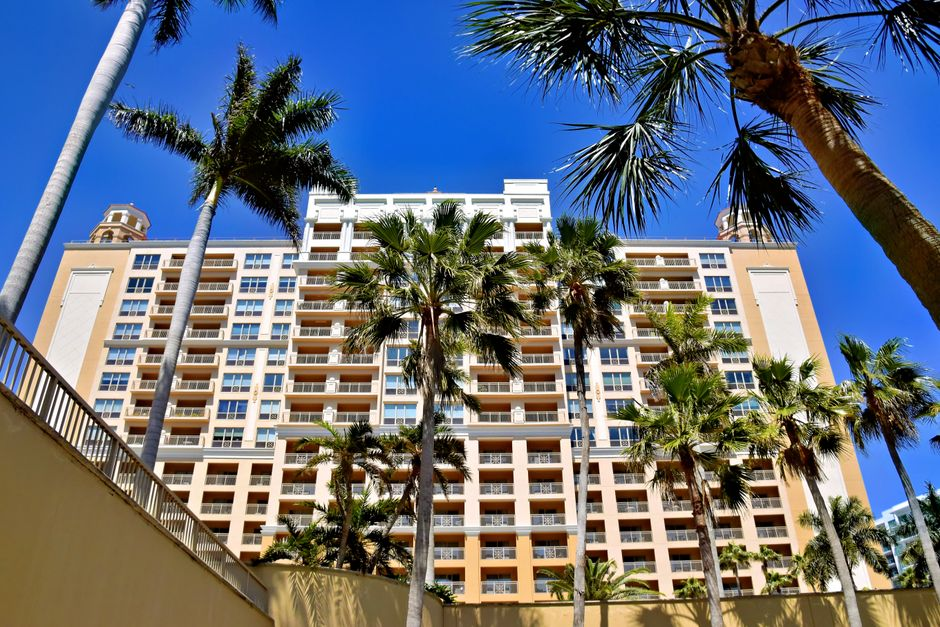
A stop work order on Siesta Key halts construction immediately once it’s posted, and getting it lifted means correcting the specific violation that triggered it, whether that’s unpermitted work, a failed inspection, or plans that don’t match what’s built. Siesta Key’s coastal location adds extra permitting layers for flood zone and setback compliance, so the fastest resolution usually comes from a contractor who already knows the county’s requirements for coastal properties. As a licensed Florida General Contractor (CGC1524141) and Plumbing Contractor (CFC1430823), our team handles both the permitting and the physical repair needed to resolve the violation.
Table of Contents
- What Is a Stop Work Order? (And Why Siesta Key Is Different)
- The Most Common Triggers for a Stop Work Order in Siesta Key
- The Real Cost of Ignoring a Stop Work Order in Florida
- Immediate Steps to Take After Receiving a Siesta Key Stop Work Order
- How to Get a Stop Work Order Lifted (The Resolution Process)
- How Long Does a Stop Work Order Last? (Duration and Delays)
- Preventing a Stop Work Order on Your Siesta Key Project
- Frequently Asked Questions About Siesta Key Stop Work Orders
- Get Professional Help: Code Violation Contractor’s Siesta Key Services
What Is a Stop Work Order, and Why Is Siesta Key Different?
A stop work order, often abbreviated as SWO, is a formal suspension of construction activity issued by a government agency, project owner, or authorized inspector. Once served, it carries the force of law. The order can take two forms. A full SWO shuts down the entire jobsite: no trades, no deliveries, no site activity of any kind. A partial SWO halts only a specific trade or area of the project, and in some cases remedial work directly related to correcting the violation may continue.
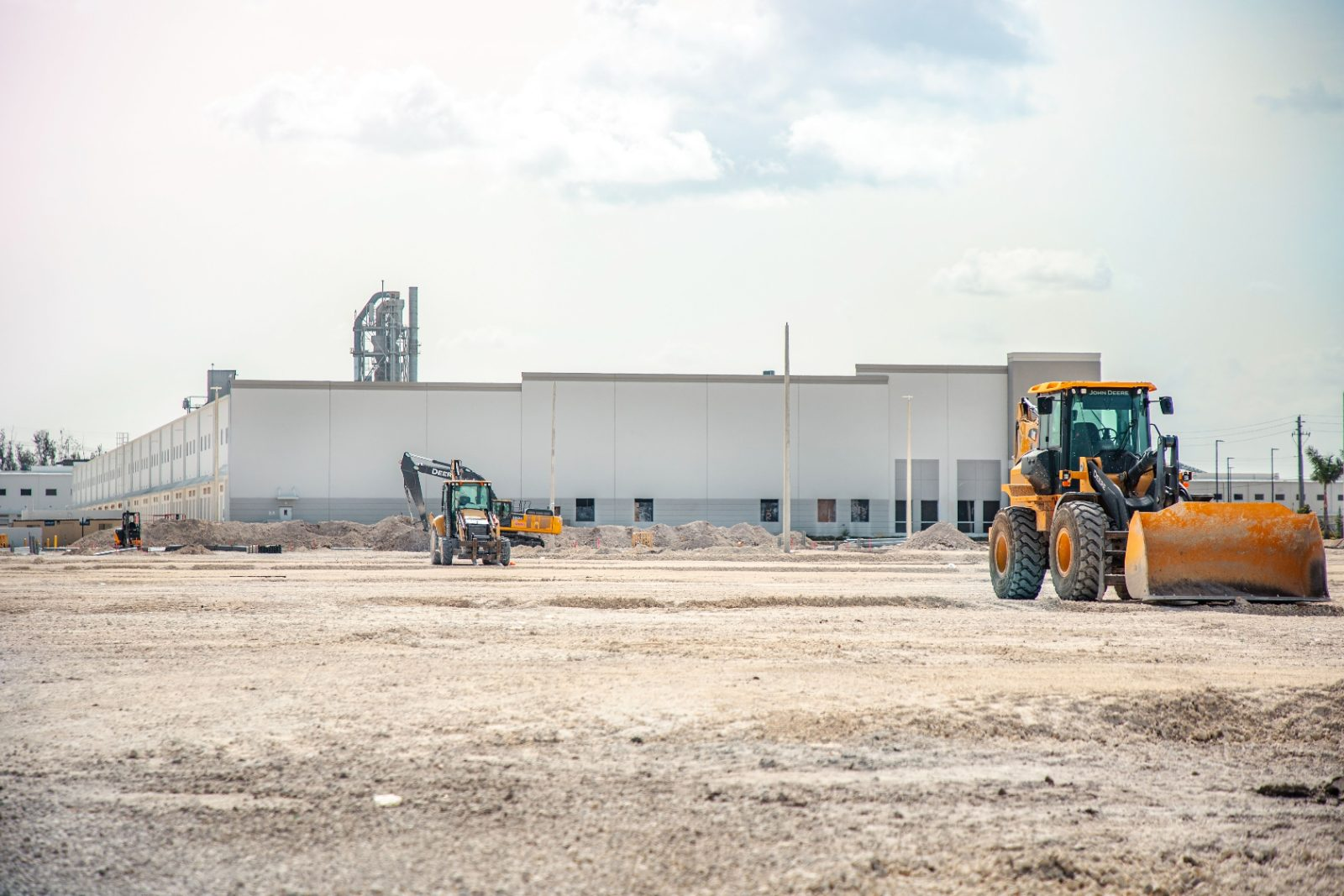
Siesta Key properties face risk factors that set them apart from inland Florida construction. The barrier island sits in a FEMA flood zone with strict elevation requirements, and Sarasota County enforces coastal construction codes that go well beyond state minimums. After the hurricane seasons of recent years, rebuilding activity has surged, and code enforcement officers are conducting more frequent site visits. Add to this the high visibility of Siesta Key projects, where neighbors and community associations report suspected violations quickly, and the result is an environment where stop work orders are issued with little tolerance for gray areas. An SWO posted on your Siesta Key jobsite is not a suggestion to pause and discuss; it is an immediate legal directive.
What Triggers a Stop Work Order in Siesta Key?
Workers’ compensation violations remain the number one cause of stop work orders statewide, and Siesta Key is no exception. Florida law requires every construction employer to carry workers’ compensation coverage, and the state actively audits payroll records. Understated payroll, misclassifying employees as independent contractors, or failing to secure coverage entirely will trigger an SWO the moment an inspector identifies the gap. This is not a paperwork error you can fix later; it is grounds for an immediate shutdown.
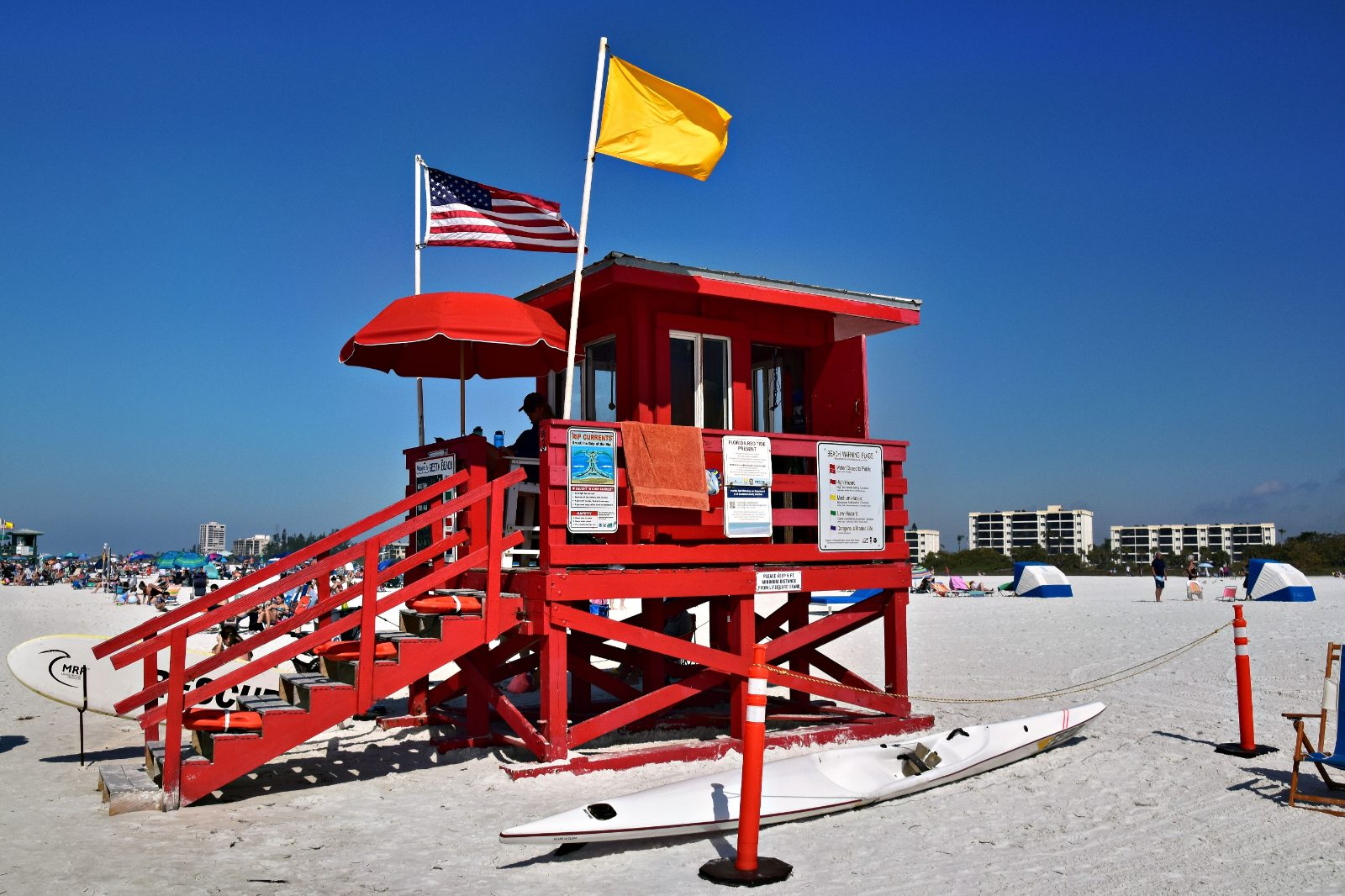
Permit and code non-compliance runs a close second. Building without the required permits, exceeding approved square footage, or constructing below the FEMA-mandated base flood elevation will draw a stop work order quickly. In Siesta Key, where coastal setback lines and dune protection zones are tightly regulated, even a minor encroachment can halt a project. Safety violations also rank high on the list: lack of fall protection, unsecured trenching, exposed electrical hazards, or unsafe excavation near underground utilities. OSHA standards apply, and local inspectors have the authority to stop work on the spot.
Environmental concerns carry particular weight on a barrier island. Disturbing protected dunes, encroaching on sea turtle nesting habitat during the May through October season, or failing to install proper erosion control measures can trigger an SWO from county environmental protection staff. Finally, financial disputes between project owners and contractors sometimes result in a contractual stop work order. If the construction agreement includes an SWO clause, an owner or developer can issue one in response to a payment dispute or alleged breach, though this route carries its own legal risks if done improperly.
The Real Cost of Ignoring a Stop Work Order in Florida
Continuing work after receiving a stop work order in Florida is a third-degree felony under Florida Statute S. 440.107. This is not a civil fine or an administrative penalty; it is a criminal charge that carries the possibility of prison time and a permanent record. The state treats an SWO violation as a serious offense because it demonstrates willful disregard for regulatory authority and worker safety.
Beyond the felony charge, Florida imposes fines of up to $1,000 per day for each day work continues after the order is served. A contractor who decides to push through for just one week can face $7,000 in fines before legal fees even enter the picture. The Florida Construction Industry Licensing Board also has the authority to pursue disciplinary action, including license suspension or revocation. Losing a contractor’s license over an SWO violation is not hypothetical; the board has acted on these cases repeatedly.
Civil liability compounds the criminal and administrative risks. The property owner or developer can sue for breach of contract, project delays, and any increased costs caused by the violation. If the SWO was issued for a safety or code issue that later results in property damage or injury, the liability exposure grows significantly. Insurance carriers typically deny coverage for claims arising during a period when work continued in defiance of a stop work order. Bonding companies may freeze capacity or cancel bonds, making it impossible to secure future projects.
Immediate Steps to Take After Receiving a Siesta Key Stop Work Order
Step one is absolute: stop all work immediately. Do not test the boundaries by having crews perform cleanup, organize materials, or prepare the site for inspection. Even activities that seem harmless can be interpreted as continued work, and the issuing authority will not give you the benefit of the doubt. Tell every subcontractor, supplier, and worker on site that the project is halted effective immediately.
Step two is documentation. Photograph every part of the jobsite, including the posted stop work order itself. Record the date and time the order was served, and note exactly who issued it: a Sarasota County building inspector, a code enforcement officer, or the project owner. Save the order document and make copies. This record becomes critical if you later need to challenge the order or prove compliance.
Step three is to contact a Florida construction law attorney who has experience with Sarasota County code enforcement. Do not attempt to negotiate with the issuing agency alone. What you say in a phone call or email can be used against you in an enforcement proceeding, and an attorney can communicate on your behalf while protecting your legal position. The cost of a few hours of legal counsel is negligible compared to the cost of a mishandled response.
Step four is communication with the issuing party, ideally through your attorney. Determine the exact nature of the violation. Ask for a written correction list if one was not provided. Clarify whether the order is full or partial, and whether any specific activities, such as securing the site against weather, are permitted. Do not assume anything.
Step five is managing de-mobilization. Secure all tools, equipment, and materials on site. Notify every subcontractor and supplier in writing that the project is under a stop work order and that no work or deliveries are authorized until further notice. Document the condition of the site at the time of the halt to protect against later claims of theft, damage, or deterioration.
How to Get a Stop Work Order Lifted (The Resolution Process)
The fastest path to lifting an SWO is to correct the cited violation completely and verifiably. If the order was issued for a workers’ compensation lapse, secure coverage immediately and obtain a certificate of insurance. If the issue is a missing permit, submit the application and pay all fees. If a safety hazard triggered the order, install the required protections and photograph the completed correction.
Once the violation is corrected, contact the issuing agency to schedule a re-inspection. In Siesta Key, this typically means the Sarasota County Building Department or the specific code enforcement division that issued the order. Do not schedule the re-inspection until the correction is fully in place; a failed re-inspection resets the clock and can complicate the resolution.
Provide proof of compliance at or before the re-inspection. Submit certificates of insurance, approved permit documents, inspection reports from licensed engineers or architects if required, and signed affidavits attesting to the correction. The more documentation you provide, the smoother the re-inspection will go. Some jurisdictions require payment of outstanding fines before the order is lifted, so be prepared to settle any daily penalties that accrued.
If you believe the stop work order was issued in error or is overly broad, a formal appeal may be necessary. Your attorney can file an appeal with the appropriate board or request a variance hearing. This process takes longer and typically requires legal argument and evidence, but it is the correct path when the issuing authority has overreached or misinterpreted the code.
How Long Does a Stop Work Order Last? (Duration and Delays)
Florida state law does not specify a maximum duration for a stop work order, unlike federal contracts where the FAR clause limits SWOs to 90 days. In practice, most stop work orders on Siesta Key projects last between two and six weeks, depending on the complexity of the violation and how quickly the contractor responds. A straightforward workers’ compensation lapse can be resolved in days if coverage is secured immediately. A complex code compliance issue involving FEMA elevation or coastal setback disputes can stretch for months.
Several factors extend the duration. Disputes over whether a violation actually occurred, slow permit corrections at the county level, attorney negotiations, and formal appeals all add weeks or months to the timeline. Even a 30-day halt can cascade into significant project disruption: supply chain delays, crew reassignment to other jobs, and penalty clauses in the prime contract that activate on schedule slippage. The indirect costs of a prolonged SWO often exceed the direct fines.
Preventing a Stop Work Order on Your Siesta Key Project
A pre-job compliance audit is the single most effective prevention tool. Before breaking ground, verify that every subcontractor has active workers’ compensation coverage and that certificates of insurance are on file. Confirm that all required permits are posted on site and that the approved plans match the scope of work. Review the site safety plan with your superintendent and foremen.
Maintain open communication with code enforcement from the start. Proactively invite inspectors for pre-scheduled check-ins at key project milestones. When an inspector identifies a minor issue during a routine visit, address it immediately and document the correction. Most stop work orders result from unresolved minor issues that escalated because no one responded.
Use construction management software to log daily reports, site photos, permit status, and inspection records. A digital trail of compliance makes it far easier to demonstrate good faith if a question arises. Train every foreman and supervisor on the legal consequences of ignoring a stop work order. One bad decision by a crew leader who thinks finishing the day’s pour is worth the risk can shut down the entire project and expose the company to felony charges.
For high-risk Siesta Key projects, particularly waterfront construction, historic district work, or properties in the FEMA flood zone, retaining a local code compliance consultant is a prudent investment. A consultant who knows Sarasota County’s specific requirements and has relationships with the building department can identify potential issues before an inspector ever arrives on site. Our firm offers compliance audits and permit expediting services tailored to the unique regulatory landscape of Siesta Key and the surrounding Sarasota County area.
Frequently Asked Questions About Siesta Key Stop Work Orders
Is a stop work order serious? Yes. In Florida, continuing work after an SWO is a third-degree felony with fines of up to $1,000 per day. The criminal charge is prosecutable, and the Construction Industry Licensing Board can suspend or revoke your license.
Who can issue a stop work order? Government inspectors, county code enforcement officers, project owners, developers, and general contractors can all issue SWOs, though the authority depends on the contractual relationship and the specific violation. Government-issued orders carry the most severe legal weight.
Can I still do safety work or cleanup? Only if the order is explicitly a partial SWO that permits remedial work. Never assume that cleanup or site securing is allowed. If the order does not state an exception, all activity must stop.
How do I find out if a stop work order has been issued on a property? Search the Sarasota County online building permit portal or contact the Building Department directly. Active SWOs are public record and tied to the property address and permit number.
Does insurance cover losses from a stop work order? Typically not. Most construction insurance policies exclude fines, penalties, and delays caused by regulatory action. Review your specific policy, but expect that the costs of an SWO, including legal fees and daily fines, will come out of pocket.
Get Professional Help: Code Violation Contractor’s Siesta Key Services
A stop work order does not have to derail your project permanently, but the speed and quality of your response make all the difference. Code Violation Contractor provides SWO response consulting, compliance audits, permit expediting, and direct liaison with Sarasota County code enforcement for Siesta Key projects. Our team understands the specific codes, the local enforcement culture, and the fastest path to getting your order lifted. If you need immediate assistance, contact our office to discuss your situation and develop a resolution strategy before the fines and delays compound.



0 Comments