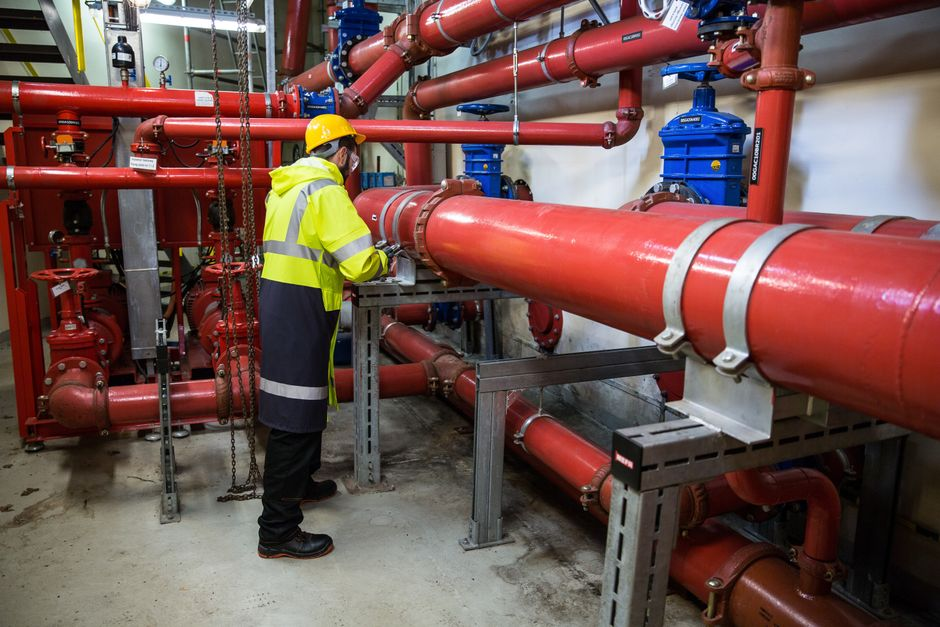
A red tag stapled to your front door or a certified letter from Sarasota Code Enforcement can stop a renovation, a home sale, or even your daily routine cold. When the violation notice cites a plumbing defect, the path to clearing it is rarely as simple as calling the first plumber who answers the phone. A Sarasota plumbing code violation often carries structural consequences, permitting headaches, and a ticking clock set by the City or County. The fastest way from red tag to Certificate of Compliance is hiring a professional who holds both a Florida Certified General Contractor license and a Certified Plumbing Contractor license. That dual credential changes everything about how the violation gets diagnosed, permitted, repaired, and signed off. Before mapping out that process, it helps to understand what triggers these violations in the first place.
Table of Contents
- The Most Common Plumbing Code Violations in Sarasota (And Why They Happen)
- The Dual-License Advantage: GC + Plumbing Contractor
- The Step-by-Step Process to Resolving a Plumbing Code Violation
- Case Study: The Cost of a Missed Violation (Sarasota Context)
- Frequently Asked Questions About Sarasota Plumbing Code Violations
- Get Your Sarasota Plumbing Violation Resolved Fast
The Most Common Plumbing Code Violations in Sarasota (And Why They Happen)
Most plumbing-related code enforcement actions in Sarasota begin with a single root cause: work performed without a permit. Florida law and local Sarasota ordinances require permits for any rerouting of supply lines, alterations to drain, waste, and vent systems, water heater replacements, and new sewer connections. When a homeowner hires a handyman or an unlicensed individual to move a kitchen sink or add a bathroom in the garage, the absence of a permit becomes an automatic violation the moment Code Enforcement learns of it. Neighbor complaints, a property sale inspection, or even a utility company visit can bring the unpermitted work to light.
Beyond the permit issue, specific technical failures dominate the inspection reports. Improper venting and trap installation rank near the top. The Florida Building Code, Plumbing volume, sets precise limits on trap arm length, vent sizing, and wet venting configurations. Older Sarasota bungalows, particularly those built before the 1970s in neighborhoods like Gillespie Park or Laurel Park, often have undersized vent stacks or S-traps that were acceptable decades ago but fail modern inspection standards. When a renovation exposes these legacy systems, the inspector can flag them even if the current owner did not touch that section of pipe.
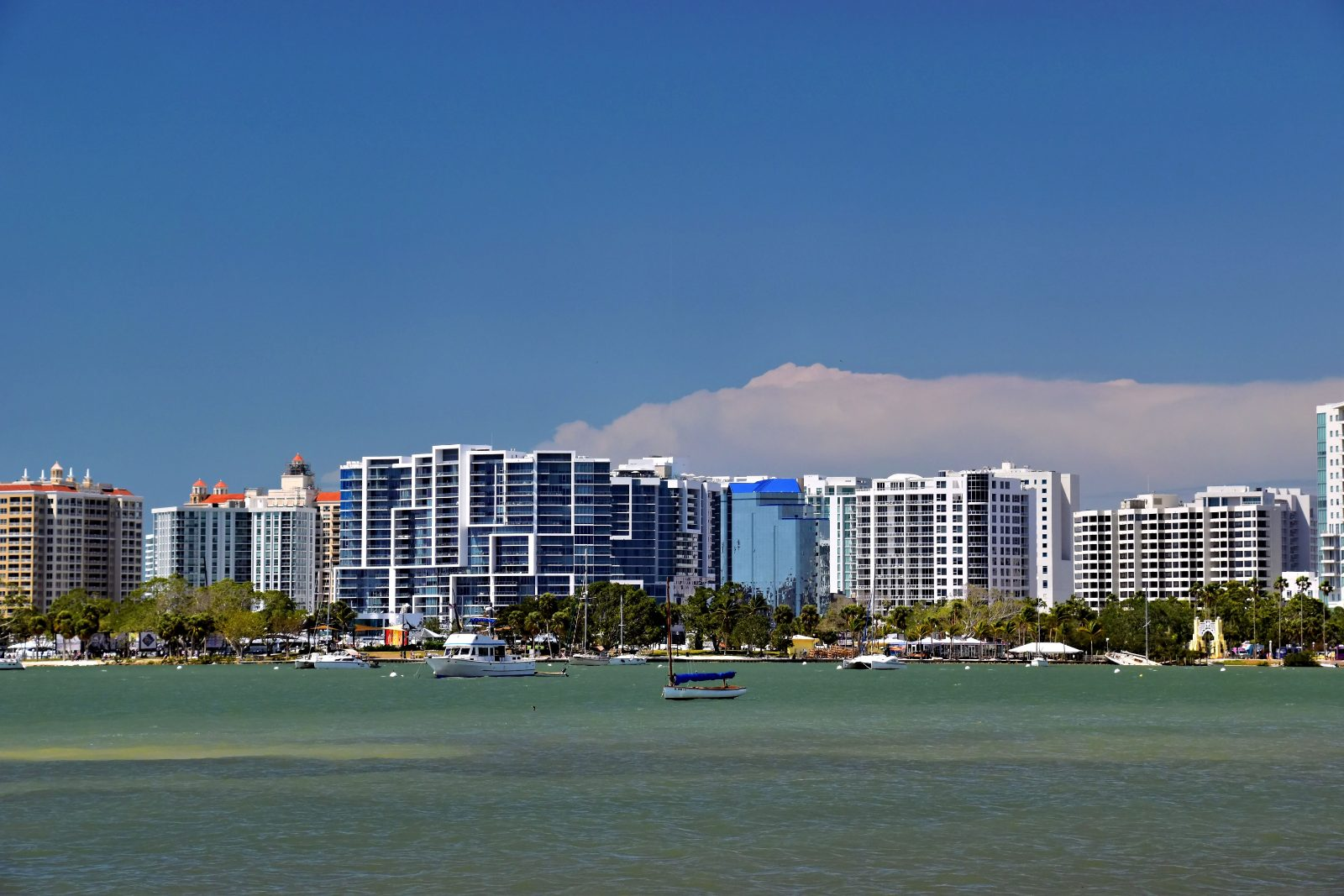
Cross-connection and backflow violations appear frequently in Sarasota’s coastal environment. Outdoor spigots, irrigation tie-ins, and dock water supplies must have code-compliant backflow prevention devices to protect the potable water supply from contamination. A missing or improperly installed backflow preventer on a canal-front property is not just a code violation; it is a public health concern that Code Enforcement treats with urgency.
Sewer lateral defects create another category of violation. Cracks, root intrusion, or illegal connections to the city main often surface during a pre-purchase sewer scope inspection. If the lateral is found to be non-compliant, the City of Sarasota can issue a correction notice that must be satisfied before closing. Failed rough-in or final inspections on otherwise permitted work also generate red tags. A plumber who pours a slab before calling for the underground inspection, or who skips the rough-in visit before closing walls, leaves the property owner holding a violation notice for work that was supposed to be legitimate.
How a Red Tag Stops Your Project (Or Your Sale)
A red tag from the City of Sarasota or Sarasota County is an order to stop all work on the affected portion of the property immediately. It is not a suggestion or a warning; it carries the force of law. The violation creates a public record accessible through the Citizen Connect Portal, which means title companies, lenders, and prospective buyers can see it. A pending Sarasota plumbing code violation will derail a real estate closing because most mortgage underwriters require a clean Certificate of Compliance before funding. The property owner bears the legal responsibility for correcting the violation, even if they hired a contractor who performed the unpermitted or defective work. That responsibility cannot be transferred or ignored.
The Dual-License Advantage: GC + Plumbing Contractor
When a plumbing violation involves more than a simple pipe repair, the traditional approach creates friction. A general contractor gets called to open walls, replace rotted subfloor, and patch drywall. A separate plumbing contractor handles the code correction. Two companies, two schedules, two sets of permits, and a gap between them where blame can shift. A contractor who holds both a Florida Certified General Contractor license and a Certified Plumbing Contractor license collapses that fragmented process into a single engagement.
The most immediate advantage is single-point accountability. A leaking drain line inside a kitchen wall does not just violate the plumbing code; it damages the framing, the drywall, the cabinetry, and possibly the flooring. A dual-license contractor can legally diagnose the plumbing defect, correct it to code, and then repair every layer of structural and finish damage under one contract. There is no handoff between trades, no subcontractor scheduling conflicts, and no dispute over whether the plumber caused the drywall damage or the drywall crew disturbed the plumbing.
Permit consolidation delivers a less visible but equally important benefit. The Sarasota PDS One Stop, now located at 870 Apex Rd, processes both building and plumbing permits. When a GC pulls a building permit and a separate plumbing contractor pulls a plumbing permit for the same project, the two permits live on parallel tracks. Inspections must be coordinated across both scopes, and a delay in one can hold up the other. A dual-license contractor pulls a single master permit that covers the plumbing correction and the associated structural repairs. That single permit streamlines every subsequent step: plan review, fee calculation, and inspection scheduling.
Faster reinspection scheduling is not a theoretical advantage; it is a practical reality of how Sarasota’s inspection zones operate. The City of Sarasota divides its jurisdiction into seven code compliance zones, each with a dedicated inspector working Monday through Friday, plus one additional inspector on a Tuesday through Saturday schedule. Sarasota County covers the unincorporated areas with its own inspector assignments. A contractor who works these zones regularly knows which inspector covers your address, what that inspector looks for on a reinspection, and how to get on the schedule without wasted trips. A general contractor who subcontracts the plumbing portion may not have that zone-specific relationship, and the plumbing subcontractor may not have it either.
The elimination of finger-pointing may be the most valuable benefit when a violation has already been issued. Code Enforcement does not care who caused the problem; they care who fixes it. When a property owner hires a GC and a separate plumber, the two parties can blame each other for the violation, the delay, or the failed reinspection. A single dual-license entity removes that dynamic entirely. There is one phone number to call, one company responsible for the outcome, and one name on the permit.
Navigating Sarasota’s Jurisdictional Maze
Sarasota property owners face a jurisdictional split that confuses even experienced contractors. The City of Sarasota Code Compliance Division, reachable at (941) 263-6417, handles violations within city limits. Sarasota County Code Enforcement, reachable at 941-861-5000, covers unincorporated areas. The two bodies operate under different procedures, different fee schedules, and different inspector assignments. Filing paperwork with the wrong office adds days or weeks to a resolution timeline. A dual-license contractor who works both jurisdictions knows which office to contact, which forms to submit, and which inspector will show up for the reinspection. That knowledge prevents a common and costly mistake before it happens.
The Step-by-Step Process to Resolving a Plumbing Code Violation
Resolving a Sarasota plumbing code violation follows a sequence that rewards methodical execution. Skipping a step or proceeding out of order almost always results in a failed reinspection and a longer timeline.
Step one is an immediate assessment of the violation notice. The red tag or letter cites a specific code section, such as FBC 702.1 or IPC 903.1. Understanding exactly what the inspector flagged determines everything that follows. A dual-license contractor reads the notice, inspects the affected plumbing, and evaluates any structural damage before any demolition begins. Opening walls without a plan can destroy evidence the inspector needs to see.
Step two involves permit retrieval or re-permitting. If the original work was unpermitted, the contractor must apply for an after-the-fact permit, sometimes called an as-built permit. This process typically requires exposing the unpermitted plumbing so the inspector can verify it meets code. If it does not, the contractor corrects it before the inspection. If the original work had a permit but failed inspection, the contractor pulls the necessary revision permits and schedules the reinspection.
Step three is the correction itself. The plumbing defect gets repaired by the licensed plumber on site. The same crew, operating under the same company, then addresses any structural damage the plumbing issue caused: rotted sill plates, mold-damaged drywall, compromised subflooring. There is no gap between the plumbing repair and the structural repair because the same entity performs both.
Step four is scheduling and passing the reinspection. The contractor coordinates with the assigned zone inspector, ensures the work is accessible and visible, and walks through the correction on inspection day. A passed inspection generates the documentation needed to close the case with Code Enforcement.
Step five is obtaining the Certificate of Compliance. This official clearance letter from the City or County is the document that matters for insurance, for lenders, and for any future property sale. The contractor delivers it to the property owner and confirms the case is closed in the Citizen Connect Portal.
Why DIY or Hiring a Handyman Fails
Sarasota Code Enforcement does not accept corrections performed by unlicensed individuals. A handyman cannot pull a plumbing permit in Florida, period. Any work a handyman performs to correct a code violation is itself unpermitted and will be rejected. Homeowner DIY corrections face a different problem: the Florida Building Code is a technical document, and proper venting, trap configuration, and drainage slope requirements are not intuitive. A homeowner who replaces a trap with the wrong configuration or fails to maintain the required quarter-inch-per-foot slope on a drain line will fail the reinspection and restart the clock on their violation.
Case Study: The Cost of a Missed Violation (Sarasota Context)
A 2022 investigation by the Sarasota Herald-Tribune documented a dispute at 3940 Bay Shore Rd that illustrates how code violations can spiral. In that case, internal city emails reportedly acknowledged noncompliance with setback and daylight plane requirements while public-facing responses dismissed the resident’s concerns. The situation escalated toward litigation, generating legal fees, public records, and years of uncertainty for the property owner.
A plumbing violation may start smaller, but the escalation path is the same. Consider an unpermitted water heater relocation discovered during a home inspection. The seller receives a correction notice. If they hire separate contractors, wait on permit approvals, and miss the compliance deadline, the case moves to a Code Enforcement hearing. Fines begin accruing. The sale collapses because the buyer’s lender will not close with an open violation. The property sits in limbo while the owner pays mortgage, taxes, and insurance on a house they cannot sell.
Contrast that with a proactive approach. A dual-license contractor assesses the water heater installation, pulls the as-built permit, corrects any code deficiencies, repairs the drywall and strapping, schedules the inspection, and delivers the Certificate of Compliance. The timeline shrinks from months to days. The case never reaches the Special Magistrate because the violation is resolved before the hearing date.
What Happens If You Ignore the Violation?
Ignoring a Sarasota plumbing code violation does not make it go away. Fines can accrue on a daily basis until the violation is corrected. The case is referred to the Code Enforcement Special Magistrate, who has the authority to impose additional penalties and order compliance. If the property owner still does not act, a lien can be placed on the property, clouding the title and complicating any future sale or refinance. In extreme cases involving persistent noncompliance, the City can pursue foreclosure. The cost of correction never decreases by waiting; it only grows.
Frequently Asked Questions About Sarasota Plumbing Code Violations
Can I sell my house with an open plumbing code violation? No. Most title companies and mortgage lenders require a clean Certificate of Compliance before they will close. An open violation is a material defect that must be disclosed to buyers, and it will either kill the deal or force a significant price concession.
Do I need a permit to replace my water heater in Sarasota? Yes. Both the City of Sarasota and Sarasota County require a permit for water heater replacement. This is one of the most common unpermitted jobs that triggers a violation during a home inspection.
How long do I have to fix a code violation? The compliance deadline is stated on the violation notice issued by the inspector. Extensions are sometimes available but require a formal written request and a showing of good cause. Do not assume an extension will be granted.
Will my homeowner’s insurance cover the repair? Insurance typically covers sudden and accidental damage, such as a burst pipe and the resulting water damage. It does not cover the cost of bringing unpermitted or defective work up to current code. A dual-license contractor can help you separate the covered damage from the code-compliance work and document both for your insurer.
Get Your Sarasota Plumbing Violation Resolved Fast
A red tag does not have to mean a months-long ordeal of coordinating contractors, pulling multiple permits, and waiting on inspectors from two different offices. When the contractor who shows up holds both a General Contractor license and a Plumbing Contractor license, the entire process compresses into a single, efficient engagement. From permit retrieval at the PDS One Stop on Apex Rd to the final reinspection with your zone’s assigned inspector, every step stays under one roof.
If you are holding a violation notice or a failed inspection report, do not wait for fines to start accruing. Contact Code Violation Contractor for a same-day assessment of your Sarasota plumbing code violation. One call puts a dual-licensed team on your property, ready to diagnose the plumbing defect, repair any structural damage, pull all necessary permits, and guide the case through to a Certificate of Compliance. Reach out now to schedule a consultation and get your property back into compliance before the situation escalates.

0 Comments