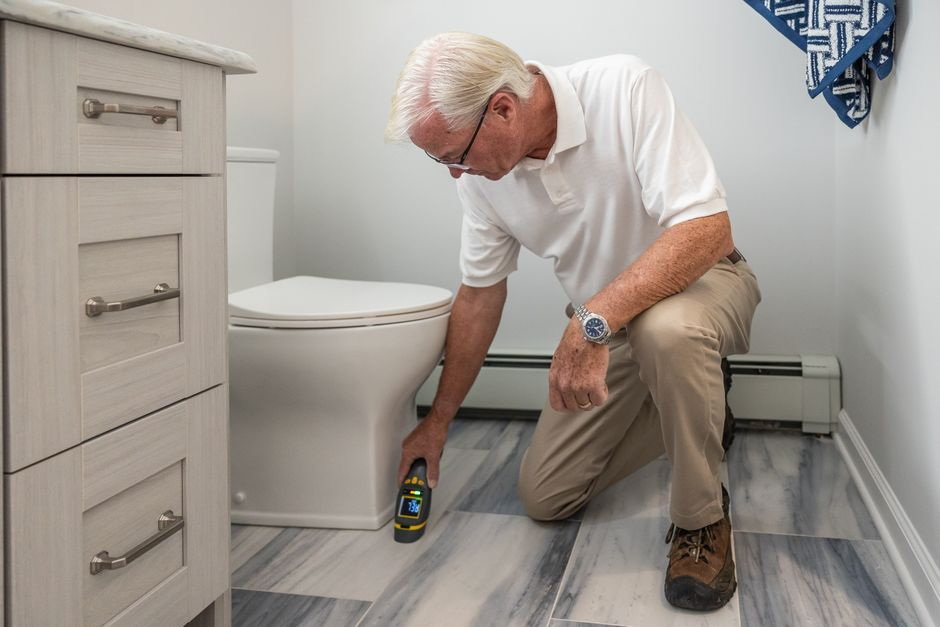
A new kitchen with a farmhouse sink and an island big enough for the whole family. A master bathroom where the shower actually drains and the hot water arrives in seconds. These are the visions that get homeowners in Bradenton, Sarasota, and Lakewood Ranch excited about remodeling. What nobody dreams about is the phone call telling you the plumber missed the inspection window, the drywall crew is now delayed by two weeks, and the county flagged a venting issue that will cost thousands to fix. That scenario is more common than it should be, and it almost always traces back to one root cause: a general contractor who does not hold a plumbing license. The smartest way to protect your project, your timeline, and your budget is to hire a Manasota remodeling contractor with a plumbing license held in-house, under the same qualifier who signs the permits and shows up on site.
Table of Contents
- The Hidden Risk of Manasota Remodeling Projects (And Why Licensing Matters)
- General Contractor vs. Plumbing Contractor: Why You Need Both (Under One Roof)
- Kitchen and Bath Remodels: Where Plumbing Licensing Saves You the Most
- Beyond the Bathroom: Additions, Re-Pipes, and Whole-Home Renovations
- How to Verify a Manasota Contractor’s Licenses (Step-by-Step)
- Why Manasota Homeowners Are Switching to Single-Company Remodeling
- Get a Manasota Remodel Estimate from a Fully Licensed Contractor
The Hidden Risk of Manasota Remodeling Projects (And Why Licensing Matters)
Florida law draws a bright line that many homeowners in the Manasota region do not see until they have already crossed it. Any remodeling project with a combined labor and materials cost over $1,000 that involves structural changes, plumbing, or electrical work requires a state-licensed contractor. That kitchen sink relocation you planned, the one where the plumber says he can just tap into the existing drain line, triggers this requirement the moment the wall opens up. The same goes for a bathroom re-pipe in a 1960s Palmetto ranch or adding a wet bar to a University Park bonus room.
The risk that gets the most attention is the fine. Unpermitted work can result in code enforcement citations, stop-work orders, and double permit fees when you eventually have to pull them retroactively. But the financial threat that keeps insurance adjusters up at night is far worse. If an unlicensed worker gets injured on your property, or if their work causes water damage that spreads through your subfloor, your homeowner’s insurance policy may deny the claim entirely. Most policies contain exclusions for work performed by unlicensed contractors. You could be looking at tens of thousands in out-of-pocket costs with no recourse.
There is a persistent myth that a handyman can handle small plumbing and electrical tasks as long as the job stays under $1,000. That is dangerously wrong. Florida law explicitly prohibits unlicensed individuals from performing any plumbing, electrical, or structural work, regardless of the price tag. The $1,000 threshold applies only to minor, non-structural, non-trade work like painting or replacing a faucet handle. Touching a drain line, moving an outlet, or cutting into a load-bearing wall puts you squarely in licensed-contractor territory.
Code violations have a long memory. They attach to the property, not to the contractor who caused them. If a remodel fails a plumbing inspection and the contractor walks away, the violation stays with the house. When you try to sell, it shows up on the title search. The buyer’s lender demands it be fixed before closing. You are now paying emergency rates to correct work that should have been done right the first time, and you have no leverage over the person who did it wrong.
General Contractor vs. Plumbing Contractor: Why You Need Both (Under One Roof)
A Certified General Contractor license, the CGC designation you see on Florida DBPR records, authorizes the holder to build, repair, and remodel structures of any size. It is the most comprehensive construction license in the state. What it does not authorize is plumbing work. A CGC must subcontract plumbing, electrical, HVAC, and roofing to separately licensed trade professionals. This is not a preference or a best practice. It is a legal requirement written into Florida Statute 489.
This mandatory subcontracting creates what industry insiders call the coordination bottleneck. Your general contractor roughs in the framing for a new bathroom addition. The plumber is scheduled to arrive the following Monday to run supply lines and set the drain for the walk-in shower. Monday comes, and the plumber is stuck on another job because an inspector showed up late. The GC cannot move forward with insulation and drywall until the plumbing rough-in passes inspection. The entire project stalls, and your move-in date slips by a week. Multiply this by every trade on the job, and a four-month remodel becomes six.
Plumbing is frequently the second most expensive line item on a renovation, but the cost driver is not the hourly rate. It is the schedule impact. When a plumber misses an inspection day, the GC’s crew sits idle, the electrician reschedules, and the tile installer who was booked three months out cannot slide into the open slot. A single-company solution, where the general contractor also holds a Certified Plumbing Contractor license, eliminates this domino effect. The same team that frames the walls roughs in the plumbing. Inspections happen on a single coordinated schedule.
When one company holds both the CGC and the CFC license under a single qualifier, permits are pulled under one signature. The plumbing permit and the building permit are submitted together, reviewed together, and inspected together. There is no gap between the building inspector signing off on framing and the plumbing inspector arriving for the rough-in check. Miscommunication between trades, a leading cause of permit rejections and re-inspections, drops to near zero because the same person who designed the plumbing layout is accountable for the framing that accommodates it.

This stacked-license model is rare in the Manasota market. Most remodeling companies hold a general contractor license and maintain a Rolodex of plumbing subcontractors. Finding a firm where one qualifier holds both licenses signals something important: this is a contractor who invested the time, passed the exams, and built a business around total accountability rather than subcontractor management.
The “Qualifier” Trap: How to Spot a Rented License
Florida contractor licenses are held by individuals, not by companies. The person whose name appears on the license is called the qualifier. That qualifier is legally responsible for the work performed under their license number. Some contractors exploit this system by renting a qualifier’s name. The qualifier never visits the job site, never reviews the work, and may not even live in the same county. Their name is on the permit, but their eyes are never on the project.
You can detect a rented license with one simple question. Ask the contractor, “Will the licensed qualifier be on-site during the plumbing rough-in and final inspection?” If the answer is anything other than an immediate yes, you are likely dealing with a rented license. A contractor who hesitates, explains that the qualifier oversees multiple projects remotely, or says the qualifier only comes in for complex issues is admitting that the person legally responsible for your remodel will not see it until something goes wrong.
A contractor with an in-house qualifier who holds both the general contracting and plumbing licenses guarantees that the accountable professional is present, engaged, and inspecting the work that bears their name. That is not a marketing claim. It is a structural advantage built into how the company is licensed and operated.
Kitchen and Bath Remodels: Where Plumbing Licensing Saves You the Most
Kitchen remodels in Sarasota and Bradenton almost never leave the plumbing where it was. Homeowners want the sink under the window instead of on the island. They want a pot filler above the range. They want the dishwasher moved from the left side of the sink to the right. Each of these changes requires cutting into the main waste stack, running new supply lines, and installing venting that meets Florida Building Code. A general contractor without a plumbing license cannot legally perform any of this work. They must call a subcontracted plumber, get a quote, and hope the plumber’s schedule aligns with the project timeline.
A dual-licensed contractor walks into the kitchen on day one, maps the plumbing changes against the framing plan, and executes the rough-in without a handoff. The vent for the new island sink is sized correctly the first time because the person who will call the inspection is the same person who cut the pipe. There is no back-and-forth between a GC who thinks the vent looks fine and a plumber who arrives two days later and says it needs to be re-routed.
Bathroom remodels are the highest-risk projects for code violations. Moving a toilet even six inches changes the trap arm length and can require reconfiguring the drain line slope. A shower drain moved to accommodate a larger pan needs a 2-inch trap and a vent within the distance specified by code. Vanity sinks on opposite walls may share a wet vent, but only if the pipe sizing and fitting arrangement are correct. These are not details that a framing crew can guess at. A licensed plumber knows the FBC requirements for trap arm length, vent distance, and minimum slope on horizontal drains.
The most common plumbing code violations found in Manasota bathroom remodels are improper trap arm length, missing cleanouts, and unvented fixtures. An unvented fixture may drain fine for the first year, then start gurgling and siphoning the trap as the vent stack accumulates debris. Sewer gas enters the bathroom. The homeowner calls a plumber who diagnoses a venting problem that requires opening the wall. A dual-licensed contractor catches the venting issue during the design phase, before the tile goes up.
The cost savings of a single-company remodel are not theoretical. When a general contractor subcontracts plumbing, they typically add a markup of 10 to 20 percent on top of the plumber’s bid. That markup covers the GC’s time to solicit quotes, coordinate schedules, and manage the subcontract. When the GC is also the plumber, that markup disappears. You pay one overhead, one profit margin, and one point of contact. On a $40,000 kitchen remodel with $8,000 in plumbing work, eliminating the subcontractor markup saves $800 to $1,600 before you even factor in the schedule efficiencies.
Beyond the Bathroom: Additions, Re-Pipes, and Whole-Home Renovations
Room additions and home expansions in Lakewood Ranch and east Bradenton trigger major plumbing permits. A new primary suite with a bathroom requires running drain lines to the existing main, tying into the vent stack, and extending supply lines from the water heater. This is not a job for a subcontractor who shows up mid-project and works from a set of plans they did not help create. A contractor with a plumbing license designs the rough-in alongside the foundation and framing plans, ensuring the drain lines fall at the correct slope without conflicting with floor joists or beams.
Whole-home re-pipes are among the most disruptive remodeling projects a homeowner can undertake. Older homes in the Manasota region, particularly those built before 1980, often contain galvanized steel pipes that have corroded to the diameter of a pencil or polybutylene pipes that are prone to sudden failure. Replacing every supply line in the house means cutting into walls, ceilings, and floors in multiple rooms simultaneously. A general contractor who subcontracts this work adds a layer of liability. If the plumber damages a structural member while notching a joist for a new pipe, the GC and the plumber point fingers at each other. The homeowner is stuck in the middle, holding a repair bill.
A dual-licensed contractor owns the entire re-pipe scope. The same company that cuts the drywall runs the new PEX or copper, patches the walls, and schedules the inspection. If an unforeseen issue arises, like discovering that the main shut-off valve is corroded and needs replacement, the decision to expand the scope is made on the spot by a licensed professional who can perform the work immediately. There is no change order from a separate plumbing company, no delay while a subcontractor re-quotes the job, and no argument about whose insurance covers the additional work.
How to Verify a Manasota Contractor’s Licenses (Step-by-Step)
Verifying a contractor’s license in Florida is free, public, and takes less than five minutes. The Florida Department of Business and Professional Regulation maintains an online portal at MyFloridaLicense.com where you can search by company name, individual name, or license number. Start by asking the contractor for both their general contractor license number and their plumbing contractor license number. If they claim to hold both, write down the numbers and verify them independently.
On the DBPR portal, enter the license number and confirm that the status reads “Active.” An active license means the qualifier has met all continuing education requirements, carries the required insurance, and is authorized to pull permits. Check the expiration date. A CFC license expiring in August 2026, for example, is current and valid. A license that shows “Inactive,” “Delinquent,” or “Revoked” is a hard stop. Do not proceed with that contractor.
Look for the qualifier name on each license. If the contractor claims to hold both a CGC and a CFC, the same individual’s name should appear as the qualifier on both records. If the plumbing license is held by a different person, ask whether that qualifier is an employee who will be on-site or a third party whose name is being used for permitting purposes. A different qualifier name is not automatically disqualifying, but it means you are dealing with a subcontracting arrangement, not a single-company solution.
Check the discipline history tab on the DBPR listing. A clean record is what you want to see. One or two minor violations from a decade ago may not be a dealbreaker, but a pattern of complaints for improper work, unlicensed activity, or failure to obtain permits tells you everything you need to know. The DBPR also lists any fines, suspensions, or corrective actions taken against the license. Read the details. A contractor who was fined for performing plumbing work without a plumbing license is not someone you want touching your bathroom remodel.
Why Manasota Homeowners Are Switching to Single-Company Remodeling
The remodeling market in Bradenton, Sarasota, and Lakewood Ranch has shifted noticeably toward single-source contracting. Homeowners who lived through the chaos of managing separate crews during the post-pandemic construction boom are not eager to repeat the experience. They want one contract, one schedule, and one phone number to call when they have a question.
The time savings are measurable. A typical kitchen or bathroom remodel managed by a general contractor with multiple subcontractors takes four to six weeks longer than the same project run by a single-company team. The gap is not in the physical work. It is in the white space between trades, the days lost to scheduling conflicts, and the re-inspections caused by miscommunication. A dual-licensed contractor can shave two to four weeks off a project simply by eliminating the handoffs.
Peace of mind is harder to quantify but easy to understand. When the same company that framed your new bathroom also plumbed it, there is no debate about who is responsible if a drain leaks. You call one person. They fix it. The warranty covers the entire scope of work, not just the portion that one subcontractor touched. For homeowners who have been burned by the finger-pointing that follows a subcontractor’s mistake, that single point of accountability is worth more than any line-item savings.
Get a Manasota Remodel Estimate from a Fully Licensed Contractor
Your remodel is too important to leave to a patchwork of subcontractors and rented licenses. Whether you are planning a kitchen update in University Park, a bathroom renovation in Palmetto, or a whole-home re-pipe in Lakewood Ranch, the contractor you choose should hold both a General Contractor and a Plumbing Contractor license, verified and active with the Florida DBPR. That single qualification difference determines whether your project runs on schedule, passes inspection the first time, and delivers the result you imagined without the code-violation surprises that haunt homeowners for years.
Request your Manasota remodel estimate today. See how a single-license stack eliminates the coordination bottlenecks, subcontractor markups, and inspection delays that plague conventionally managed remodels. One call, one contract, one team that is licensed to do it all.

0 Comments