A code violation is any property condition that fails to meet local building, zoning, safety, or maintenance codes, and it typically opens after a neighbor complaint or a routine inspection. The most common causes for property owners include unpermitted additions, expired permits, overgrown lots, and structures that don’t match approved plans, while contractors most often trigger violations through unpermitted or out-of-scope work. Understanding these causes and correcting issues before they’re reported is the most reliable way to avoid fines altogether. As a licensed Florida General Contractor (CGC1524141) and Plumbing Contractor (CFC1430823), our team handles both the permitting and the physical repair needed to resolve the violation.
Table of Contents
- What Is a Code Violation? (Defining the Stakes)
- The 7 Most Common Code Violation Causes for Property Owners
- Top 5 Code Violation Causes in Construction and Renovation
- How Code Enforcement Works in 2026 (The Process)
- How to Avoid Code Violations (Proactive Checklist)
- Frequently Asked Questions About Code Violations
- Final Thoughts: Stay Ahead of Code Enforcement in 2026
What Is a Code Violation?
A code violation is any condition on a property that fails to meet the minimum standards set by local, state, or national building, housing, or property maintenance codes. These standards exist to protect public health, safety, and neighborhood stability. Violations are not limited to construction defects. They also cover routine property upkeep: weeds that have grown past the legal height, garbage accumulating in a side yard, paint peeling from exterior siding, or a vehicle with flat tires sitting in the driveway for months.

In 2026, many jurisdictions are shifting away from the old reactive model, where inspectors only responded to complaints, and moving toward proactive compliance programs. That means code enforcement officers are increasingly conducting scheduled sweeps and permit-triggered inspections, looking for issues before a neighbor ever picks up the phone. Ignorance of the code is not a defense. Property owners and contractors are legally responsible for knowing and following the rules that apply to their specific city and county.
The 7 Most Common Code Violation Causes for Property Owners
1. Overgrown Weeds and Vegetation
Overgrown vegetation is the single most frequently cited nuisance violation in American municipalities. Cities from Des Plaines, Illinois, to Arlington, Virginia, enforce strict grass height limits, typically requiring that lawns stay below six to twelve inches. Once grass exceeds that threshold, the property owner receives a notice with a short compliance window, often five days, to cut it back. Many cities also impose a seasonal mowing requirement, mandating that weeds be cut at least once per month between May 1 and October 1.
The fix is straightforward but easy to forget during a wet spring when grass grows faster than your schedule allows. Set a recurring calendar reminder at the start of the growing season. If you travel frequently or own a vacant property, hire a landscaping service on a monthly contract before the weeds become visible from the street. A single complaint from a neighbor can trigger an inspection, and the fines for repeat offenses add up quickly.
2. Inoperable or Abandoned Vehicles
A car with expired tags, flat tires, or a non-running engine stored on a lawn or visible driveway is a classic code violation. These ordinances fall under nuisance abatement, not just parking enforcement, and they apply even if the vehicle is on private property. The logic is that inoperable vehicles attract pests, leak fluids into the soil, and degrade neighborhood appearance.
The simplest solution is to store any non-running vehicle inside a fully enclosed garage or behind a solid fence that blocks it from public view. If indoor storage is not an option, selling or scrapping the vehicle is the only compliant path. Letting a project car sit under a tarp in the driveway will eventually draw a citation in most jurisdictions.
3. Garbage, Debris, and Hoarding Conditions
Accumulated trash, construction debris, discarded furniture, and excessive clutter visible from the street or a neighboring property all qualify as code violations. This category also includes leaving garbage cans at the curb long after pickup day has passed. Inspectors treat these conditions as both a public health concern, due to rodent and insect infestation risks, and a blight on the surrounding community.
Schedule bulk waste pickup through your city’s sanitation department whenever you have large items to discard. Most municipalities offer this service free or at low cost a few times per year. Store garbage and recycling bins inside a garage or along a side yard, out of direct street view, and bring them in on collection day. For rental properties, include clear waste disposal instructions in the lease and conduct periodic exterior walk-throughs.
4. Peeling Paint and Deteriorated Exterior Surfaces
Exterior surfaces must remain weathertight and free of peeling, chipping, or flaking paint. This requirement is especially strict for homes built before 1978, where deteriorating paint may contain lead and trigger federal disclosure and remediation rules under the EPA’s Renovation, Repair, and Painting rule. Even on newer homes, exposed wood rots quickly once the paint fails, leading to more expensive structural repairs.
Inspect your siding, trim, window frames, and fascia boards every spring and fall. Repaint or reseal surfaces before the finish fails completely. A small investment in preventative maintenance avoids both the code citation and the far larger cost of replacing rotted sheathing or trim down the line.
5. Broken Windows and Missing Gutters
A broken window pane is an immediate safety hazard and an open invitation for pests, water intrusion, and unauthorized entry. Missing, damaged, or clogged gutters are equally problematic. Without functioning gutters and downspouts, rainwater pours directly against the foundation, causing erosion, basement leaks, and eventually structural cracking that triggers far more serious violations.
Walk your property after every major storm. Check for cracked glass, damaged window frames, and gutters that have pulled away from the fascia or filled with debris. Make repairs immediately. A single broken window can generate a citation within days of being reported.
6. Structural Issues (Leaking Roofs, Unstable Floors)
Leaks that cause ceiling stains, rot, mold growth, or partial collapse are among the most serious code violations a property owner can face. Unstable floors, sagging porch roofs, crumbling foundation walls, and staircases with missing or loose treads all fall into this category. These conditions are not cosmetic. They represent active safety hazards, and inspectors treat them with urgency.
Perform a pre-winter roof inspection every year. Look for missing shingles, damaged flashing, and any soft spots when you walk the surface. Inside, pay attention to floors that bounce or slope, doors that suddenly stick, and new cracks in drywall or plaster. These are early warning signs of structural movement that, if ignored, will lead to a violation notice and potentially a condemnation order.
7. Improper Occupancy or Illegal Units
Converting a basement, garage, or attic into a living space without pulling permits and meeting code requirements is a fast track to a violation. The most common triggers are missing egress windows in bedrooms, lack of hardwired smoke detectors, and improper electrical or plumbing connections. Overcrowding, defined as more occupants than the legal bedroom count allows, is another frequent citation in rental properties.
Never rent out or occupy a space that does not have a legal egress window in every sleeping area, a functioning smoke and carbon monoxide detector, and separate utility metering where required by local ordinance. If you are buying a property with an existing basement apartment or converted garage, verify that the work was permitted and approved before you close the deal. Unpermitted units are a liability that transfers with the property.
Top 5 Code Violation Causes in Construction and Renovation
1. Electrical Failures (The Number One Fire Risk)
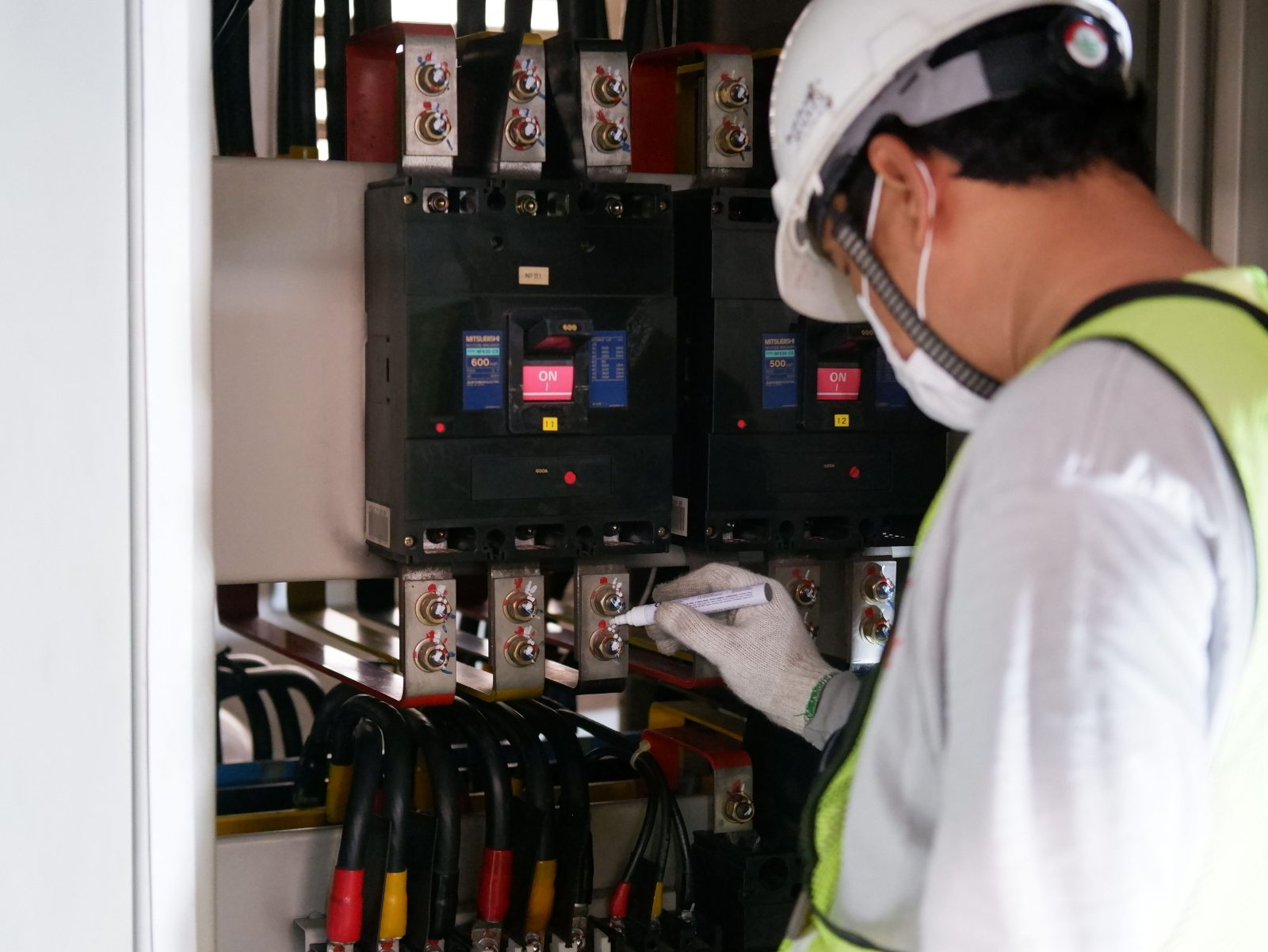
Data from the National Fire Protection Association covering 2015 through 2019 shows that electrical failures and malfunctions were the second leading cause of home structure fires in the United States, accounting for 13 percent of all residential fires. The code violations that lead to these fires are predictable: exposed wiring, overloaded electrical panels, improperly installed junction boxes left buried in walls, and a lack of GFCI protection in kitchens, bathrooms, and outdoor outlets.
The single most effective avoidance strategy is to pull a permit for every electrical job and hire a licensed electrician. DIY electrical work is the top source of failed inspections and fire-risk violations. A professional knows the load calculations, arc-fault requirements, and grounding standards that change with each code cycle. Saving money on unpermitted electrical work is a gamble where the stakes are your property and the lives of its occupants.
2. Improper Egress Windows in Bedrooms
Every bedroom requires at least one emergency escape and rescue opening directly to the exterior. The minimum clear opening is 5.7 square feet, with a width of at least 20 inches and a height of at least 24 inches. For ground-floor bedrooms, the minimum drops to 5.0 square feet. The sill height cannot exceed 44 inches from the finished floor. These dimensions are non-negotiable, and inspectors measure them during rough-in and final inspections.
Before finishing a basement or adding a bedroom to any floor, measure the existing windows carefully. If they do not meet the dimensional requirements, you will need to install a larger window, add a window well with a ladder for below-grade installations, or choose a different room for the sleeping area. Guessing on egress is expensive. A failed inspection means cutting into a newly finished wall to replace a window that never should have passed rough framing.
3. Inadequate Structural Support (Beams, Joists, and Foundations)
Structural violations in new construction and renovation work often stem from notching or boring holes in the wrong section of a floor joist, using undersized beams for a given span, or omitting required hangers, straps, and tie-down connectors. Cutting a manufactured truss to run ductwork without an engineer’s approval is an especially common and dangerous mistake.
Follow the International Residential Code span tables exactly for every beam, joist, and rafter in your project. Never cut, notch, or bore a structural member outside the zones permitted by code, and never modify a truss without a stamped engineering letter on site. Inspectors check these details closely, and the fix often requires removing finished work to access the framing.
4. Plumbing Venting and Drainage Errors
Drain lines must slope at a minimum of one-quarter inch per foot to carry waste by gravity. Vent stacks must be correctly sized and positioned to equalize pressure and prevent sewer gas from entering the living space. Common violations include flat or back-pitched drain lines, missing vent stacks, and improper wet venting that is not permitted under the local plumbing code.
Use a plumbing vent calculator during the design phase and confirm that your venting plan matches the fixtures you are installing. Never assume that an existing vent stack can handle additional fixtures without verifying the pipe size and fixture unit load. A slow-draining sink or a sewer gas smell after the walls are closed is a sign that something is wrong, and it will not resolve on its own.
5. Missing or Improper Smoke and CO Detectors
Smoke detectors are required in every bedroom, outside each sleeping area, and on every level of the home, including basements. Carbon monoxide detectors are required on each level and outside sleeping areas in any home with fuel-burning appliances or an attached garage. The current standard in most jurisdictions calls for hardwired units with battery backup, and interconnected alarms are increasingly mandatory, meaning that when one detector triggers, they all sound.
Install combination smoke and carbon monoxide detectors in the required locations, test them monthly, and replace any unit that is more than ten years old. Write the installation date on the back of each detector with a permanent marker. During a final inspection, the building official will test the alarms, and a missing or non-functional unit will fail the inspection on the spot.
How Does Code Enforcement Work in 2026?
Code violations are typically discovered through one of two channels: a complaint filed by a neighbor, tenant, or passerby, or a proactive inspection conducted as part of a scheduled sweep or permit review. Once a potential violation is logged, most jurisdictions respond within three to five business days for non-emergency issues. The inspector visits the property, documents the conditions, and issues a notice of violation with a specific compliance deadline.
That deadline varies by severity. Hazardous conditions like exposed live wires or a collapsing ceiling may require correction within 24 hours. Minor nuisance violations, such as overgrown grass or peeling paint, typically allow five to thirty days. If the property owner fails to comply, the penalties escalate. Municipalities can impose fines up to 2,500 dollars per violation, issue court summons, and place liens against the property that must be satisfied before a sale can close.
A notable shift in 2026 is the expansion of compliance assistance programs. Many cities now employ multilingual code enforcement staff, partner with nonprofit housing organizations, and offer educational resources before issuing fines. Arlington, Virginia, for example, reports that more than half of its code enforcement staff speak multiple foreign languages to better serve the community. Taking advantage of these resources early can prevent a violation from escalating into a legal judgment.
How to Avoid Code Violations (Proactive Checklist)
Conduct a seasonal exterior walk-around every spring and fall. Inspect the roof, gutters, paint, windows, and vegetation with a critical eye. Address anything that looks worn, broken, or overgrown before it becomes visible from the street.
Pull a permit before starting any electrical, plumbing, structural, or major remodeling work. Unpermitted work is the single biggest cause of failed inspections and post-construction violations. If you hire a contractor, verify their license and confirm that they will pull the permit in their name.
Know your local code. Ordinances vary significantly by city and county. Visit your municipal website and download the property maintenance code or nuisance ordinance that applies to your address. The hour you spend reading it is far cheaper than a 2,500-dollar fine.
Keep organized records of every permit, inspection report, and repair receipt. If a dispute arises or a violation is issued in error, your documentation proves compliance and can get the citation dismissed without a court appearance.
Frequently Asked Questions About Code Violations
Can you find out who called code enforcement on you? In nearly all jurisdictions, the identity of a complainant is kept confidential to prevent retaliation. You typically cannot find out who reported a violation, and code enforcement departments are not required to disclose that information.
What makes a house not up to code? The most common triggers include missing or non-functional smoke detectors, broken or painted-shut windows, leaking roofs, exposed electrical wiring, bedrooms without proper egress, peeling lead-based paint on pre-1978 homes, and unstable stairs or deck railings.
How long do I have to fix a code violation? Compliance periods range from 24 hours for emergency hazards to 30 days for minor nuisance violations. Always check your specific notice for the exact deadline, and if you need more time, contact the code enforcement office to request an extension before the deadline passes.
Final Thoughts: Stay Ahead of Code Enforcement in 2026
Proactive maintenance and proper permitting cost a fraction of what fines, court costs, and emergency repairs will set you back. Code enforcement in 2026 is increasingly focused on education and compliance assistance rather than punishment alone. Take advantage of the free resources your city offers, and when you are unsure whether a project requires a permit, call your local code enforcement office before you start work, not after the citation arrives. A five-minute phone call can save you months of stress and thousands of dollars.



0 Comments