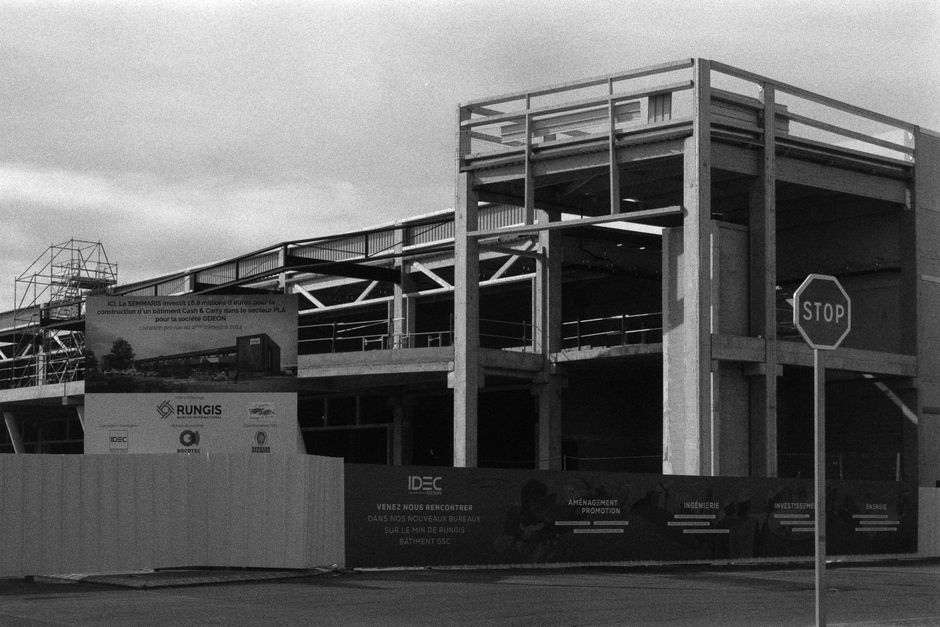
A stop work order halts construction the moment it’s posted, and the most common triggers are unpermitted work, expired permits, plans that don’t match what’s built, failed inspections, work outside the approved scope, safety violations, and complaints from neighbors or passersby. Any authority with jurisdiction, from a city building official to a county inspector, can issue one, and it remains in effect until the violation is corrected and the project passes re-inspection. Acting quickly to identify the exact trigger is the fastest way to get back to work. As a licensed Florida General Contractor (CGC1524141) and Plumbing Contractor (CFC1430823), our team handles both the permitting and the physical repair needed to resolve the violation.
Table of Contents
- What Is a Stop Work Order? (And Why You Should Take It Seriously)
- The 7 Most Common Reasons for Stop Work Orders
- Who Can Issue a Stop Work Order? (And What Authority They Have)
- What to Do Immediately After Receiving a Stop Work Order
- How Long Does a Stop Work Order Last? (And How to Get It Lifted)
- The Hidden Costs of a Stop Work Order (Beyond the Fines)
- How to Prevent Stop Work Orders: A Contractor’s Checklist for 2026
- Frequently Asked Questions About Stop Work Orders
What Is a Stop Work Order?
A stop work order is a legal directive requiring the immediate cessation of all or part of the construction activity on a site. It is not a suggestion, a warning, or a request for a conversation. It is an enforceable order with real teeth. Multiple authorities can issue SWOs: local building inspectors, OSHA compliance officers, project owners, general contractors, and state or federal government agencies. The order may be a Full SWO, which shuts down the entire jobsite, or a Partial SWO, which halts only a specific area or type of work while allowing other trades to continue.

The gravity of an SWO is not something to test. In New York City, violating a stop work order carries a $6,000 civil penalty for a first offense and $12,000 for each subsequent offense. Other jurisdictions impose their own fines, and in serious cases, continued work after an order can lead to criminal charges. A common point of confusion worth clearing up immediately: a Stop Work Order is an external directive from a regulatory body or contract holder. Stop Work Authority, by contrast, is an internal program that gives workers the right to halt unsafe work they observe on site. The two concepts are related but legally distinct, and confusing them can lead to serious compliance failures.
The 7 Most Common Reasons for Stop Work Orders
1. Missing or Improper Permits
Working without the required permits is the single most common reason for stop work orders across nearly every jurisdiction in the country. This category covers more than simply failing to pull a permit. It includes expired permits that were not renewed before work continued, permits that do not match the actual scope of work being performed, and failure to post the approved permit documents conspicuously on site as local codes require. An inspector who arrives and finds a roofing crew at work when the permit only covers interior renovation will not hesitate to shut things down.
Prevention starts with a permit checklist completed before any ground is broken. Verify that every required permit is pulled, current, and accurately reflects the planned scope. Assign someone on your team to audit permit status weekly. For complex commercial or multi-family projects, working with a permit expediter can catch gaps that an internal team might miss.
2. Safety Hazards and OSHA Violations
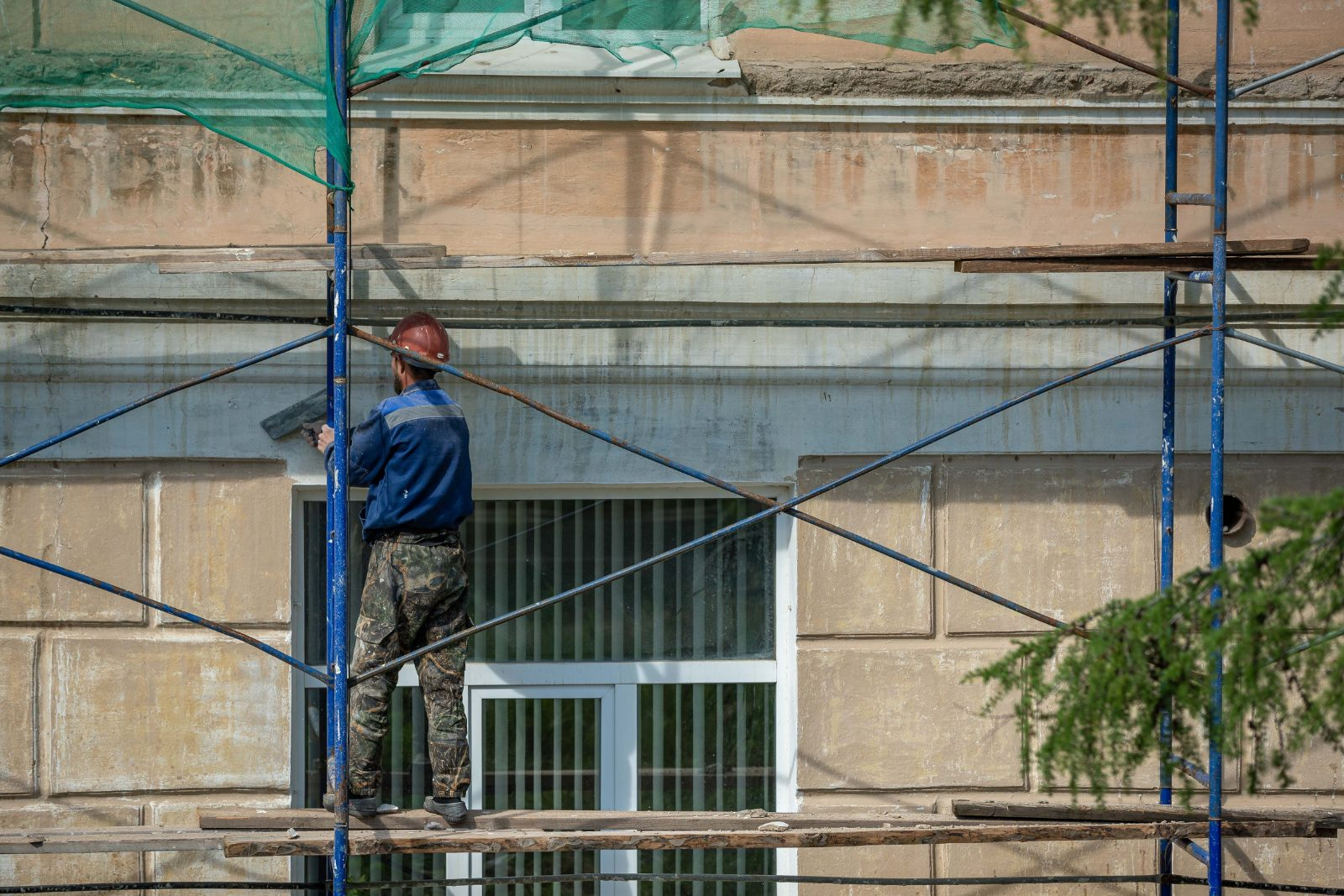
Unsafe conditions trigger immediate stop work orders, often without any advance warning. The most frequent OSHA violations that lead to SWOs include missing or inadequate fall protection, unprotected trench excavations, electrical hazards, scaffolding erected without proper guardrails or tie-offs, and workers lacking required personal protective equipment. OSHA compliance officers have the authority to issue an SWO on the spot, and repeat violations invite penalties that escalate quickly into six-figure territory.
Prevention requires a daily discipline, not a once-a-month safety meeting. Conduct brief safety huddles at the start of every shift to review the specific hazards of that day’s tasks. Designate a site safety officer with the authority to pause work and correct problems before an inspector ever arrives. Perform a pre-inspection walkthrough at least once a week, using the same checklist an OSHA officer would carry, and fix every finding immediately.
3. Unlicensed or Uninsured Contractors
Many states require general contractors and specialty trades to hold active licenses and carry workers’ compensation insurance. When an inspector requests proof of licensure or insurance and the contractor cannot produce it, a stop work order often follows. This problem becomes especially acute with subcontractors. A single unlicensed sub can trigger an SWO that shuts down the entire prime contractor’s operation, even if the prime’s own paperwork is flawless.
Prevention means verifying licenses and insurance certificates before any subcontractor sets foot on the site. Collect certificates of insurance directly from the carrier, not just from the subcontractor. Maintain a digital compliance folder that is accessible on a mobile device so any inspector can review credentials immediately. Set calendar reminders for policy expiration dates; a lapsed policy that goes unnoticed for a week is all it takes.
4. Code Violations and Structural Non-Compliance
Deviations from the approved construction documents are a reliable trigger for stop work orders. An inspector who discovers framing that does not match the stamped structural drawings, electrical work that violates the National Electrical Code, or fire-rated assemblies built without the specified materials will issue an SWO on the spot. These violations often surface mid-construction, after rough-in work is complete but before finishes conceal the problem.
Prevention hinges on keeping the approved plan set physically on site and treating it as the single source of truth. Schedule regular third-party inspections at key milestones before the municipal inspector arrives. Never allow field changes to structural, electrical, or life-safety elements without a documented approval process that includes the design professional and the permitting authority.
5. Environmental and Zoning Violations
Stop work orders triggered by environmental and zoning issues often involve multiple agencies and take longer to resolve than typical code violations. Common triggers include failure to install and maintain erosion control measures, improper disposal of construction waste or hazardous materials, violation of local noise ordinances during restricted hours, and building beyond the approved setback lines or height limits. These SWOs can come from local zoning boards, state environmental agencies, or the EPA, and each agency has its own correction and re-inspection process.
Prevention begins during design and pre-construction. Review all applicable zoning ordinances before finalizing plans. Install erosion control fencing, stabilized construction entrances, and sediment basins from day one, not as an afterthought. Maintain a waste management log that tracks where every load of debris goes, and keep it available for inspection.
6. Failure to Maintain Workers’ Compensation Coverage
A single uninsured worker on a job site can trigger a stop work order from a state labor board or an insurance carrier audit. This problem is especially common with subcontractors who let their workers’ compensation coverage lapse mid-project without notifying the general contractor. In many states, the prime contractor bears ultimate responsibility for ensuring that every worker on site is covered, and the SWO will name the prime regardless of which sub caused the lapse.
Prevention requires a system, not a one-time check. Require updated certificates of insurance before the start of each new project phase. Use a contractor management platform that sends automated alerts when a sub’s policy is approaching expiration. Some platforms can even verify coverage directly with carriers, eliminating the risk of fraudulent certificates.
7. Unauthorized Work or Scope Creep
Performing work that falls outside the approved permit scope is a fast path to a stop work order. This happens when a client asks to add a bathroom, extend a deck, or reconfigure an interior layout after permits are issued, and the contractor proceeds without filing an amendment. Owners who pressure contractors to “just get it done” without the proper paperwork share the liability when an inspector notices the discrepancy.
Prevention depends on a formal change order process that is non-negotiable. Every scope change, no matter how small it seems, must be documented, priced, and submitted for permit amendment before work begins. Never proceed on a verbal approval. Educate clients at the start of the project that unauthorized changes risk shutting down the entire job, and make it clear that you will not accept that risk on their behalf.
Who Can Issue a Stop Work Order?
Understanding who issued your SWO determines how you respond. Local building inspectors are the most common source, acting on behalf of the municipality to enforce permit and code compliance. OSHA issues federal SWOs for safety hazards, and their orders carry nationwide enforcement weight. Project owners and general contractors can issue contractual SWOs, typically for non-performance, safety breaches, or failure to maintain insurance. Government agencies including the EPA, state environmental boards, fire marshals, and historical preservation offices each have SWO authority within their specific domains. Each authority operates under different re-inspection procedures and penalty structures. Knowing which one you are dealing with is the first step toward a correct and efficient resolution.
What to Do Immediately After Receiving a Stop Work Order
Stop all work immediately. Continuing any construction activity after an SWO is posted escalates fines and can lead to criminal charges. Read the order carefully: it will specify the exact violation, the corrective actions required, and the issuing authority you must answer to. Document everything. Photograph the site conditions, save the original order, and log the date and time it was posted.
Contact your attorney and your insurance carrier before you communicate with the issuing authority. Your insurance policy may have specific reporting requirements, and anything you say to an inspector can affect your coverage or legal position. Begin corrective actions immediately. Do not wait for a re-inspection to be scheduled before you start fixing the problems. Finally, request re-inspection only after every violation listed on the order has been fully corrected. A premature request that results in a failed re-inspection wastes time, money, and the inspector’s patience.
How Long Does a Stop Work Order Last? (And How to Get It Lifted)
The duration of a stop work order varies widely. A minor safety fix, like replacing a missing guardrail, can be resolved and re-inspected within hours. Structural corrections or permit amendments can stretch into weeks or months. On federal contracts governed by FAR 52.242-15, a stop work order can remain in effect for up to 90 days, with extensions possible by mutual agreement between the contracting officer and the contractor.
The path to lifting an SWO follows a consistent sequence: correct every violation listed on the order, pay any associated fines, schedule a re-inspection with the issuing authority, and receive a written lift order confirming the SWO is removed. Some jurisdictions, including New York City, require a Certificate of Correction before the order is officially lifted. Keep the lift order in your permanent project records. Insurance carriers and future clients may request proof that the SWO was resolved, and having the documentation ready protects your reputation.
The Hidden Costs of a Stop Work Order (Beyond the Fines)
The fines are just the beginning. Idle crews still draw wages, and the cost of demobilizing and remobilizing equipment and materials compounds quickly. Project delays trigger liquidated damages clauses in many owner contracts, turning each lost day into a direct financial penalty. Insurance carriers may raise premiums or decline renewal after an SWO, and some applications now require disclosure of any stop work orders issued on your projects. SWOs become part of the public record, accessible to future clients, lenders, and partners who check permit histories before awarding work. Subcontractors who experience frequent shutdowns on your sites may refuse to bid your future projects, shrinking your available labor pool when you need it most.
How to Prevent Stop Work Orders: A Contractor’s Checklist for 2026
Before breaking ground, verify that every permit, license, and insurance certificate is current and matches the scope of work. During construction, conduct weekly compliance audits and keep all documentation accessible on site, not buried in an office file cabinet across town. Implement a formal Stop Work Authority program so that workers feel empowered to flag hazards internally before an inspector ever sees them. Hold pre-inspection meetings before any scheduled regulatory visit and train foremen to spot the most common violations in their trade. Use project management software to track permit expiration dates, insurance renewals, and inspection schedules in one place. Educate every client at the project kickoff that scope changes require permit amendments, and get written sign-off before proceeding with any change.
Frequently Asked Questions About Stop Work Orders
Is a stop work order serious? Yes. Ignoring one can result in massive fines, criminal charges, and termination of your contract.
Can a stop work order be appealed? In most jurisdictions, yes, but only through formal channels. Stopping work is not optional during the appeal process.
Does a stop work order go on my record? Yes. Most municipalities maintain public records of SWOs tied to both the property address and the contractor’s name.
Can an owner issue a stop work order? Yes, contractually. This is common when a contractor fails to meet safety or performance standards specified in the agreement.
What is the difference between a stop work order and stop work authority? A stop work order is an external directive from a regulatory body or contract holder. Stop work authority is an internal worker’s right to halt unsafe work they observe. The two are often confused but legally distinct.
The seven reasons for stop work orders covered here share a common thread: nearly all of them are preventable with proper planning, consistent compliance systems, and a culture that treats permits and safety as non-negotiable. The cost of prevention, measured in checklists, training, and software subscriptions, is a fraction of the cost of resolution, measured in fines, idle crews, and reputational damage. As regulations continue to tighten in 2026, proactive compliance is no longer a competitive advantage. It is the only reliable way to keep your projects moving and your business protected. Audit your current practices now, before the next inspector pulls up to your site.



0 Comments