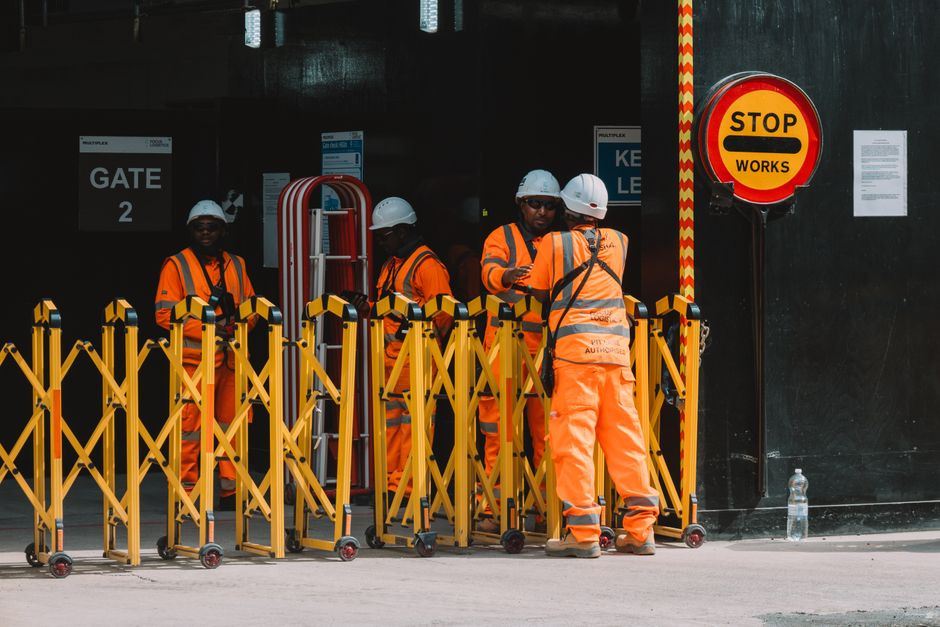
Stop work order removal means correcting the specific violation that triggered the order and getting the issuing authority to sign off on a re-inspection before construction can resume. Most orders are triggered by unpermitted work, plans that don’t match what’s built, or a failed inspection, and fines can accrue daily while the order remains active. The fastest path to removal is securing the site, identifying the exact violation, and filing the correct permit through a licensed contractor. As a licensed Florida General Contractor (CGC1524141) and Plumbing Contractor (CFC1430823), our team handles both the permitting and the physical repair needed to resolve the violation.
Table of Contents
- What Is a Stop Work Order? (And Why You Need to Act Now)
- The First 48 Hours: Critical Steps After Receiving a Stop Work Order
- The Core Process: How to Get a Stop Work Order Lifted (Step-by-Step)
- How Long Does Stop Work Order Removal Take? (Timeline Expectations)
- Costs and Penalties You Need to Know (Beyond NYC)
- Can You Appeal a Stop Work Order? (Yes—Here’s How)
- How to Avoid a Stop Work Order in the First Place (Prevention Strategies)
- Frequently Asked Questions About Stop Work Order Removal
This guide is built for contractors, property owners, and project managers who need a clear, actionable roadmap, not vague reassurances. We will walk through the two types of orders you might face, the critical first 48 hours, the core removal process with real examples from New York City and Washington D.C., the costs you should expect, your appeal rights, and the prevention strategies that keep you off the inspector’s radar in the first place. By the end of this guide, you will know exactly what steps to take to get your stop work order lifted as quickly as possible.
What Is a Stop Work Order?
A Stop Work Order, commonly called an SWO, is a temporary, legally binding suspension of construction activity issued by a local building department such as the New York City Department of Buildings or the D.C. Department of Consumer and Regulatory Affairs. It is not a suggestion. It is an enforceable directive that carries immediate legal and financial consequences.
There are two types of SWOs you need to understand. A Full SWO prohibits all work on the site except for remedial safety measures explicitly approved by the inspector. A Partial SWO restricts only certain work or work in a specific area of the property. Knowing which one you have received determines how you respond and what, if anything, your crew can still do.
One of the most common points of confusion is the difference between a Stop Work Order and a Termination Order. An SWO is temporary, typically lasting up to 90 days while violations are corrected. A Termination Order is permanent and revokes your permit entirely. Do not let a temporary SWO become a permanent Termination Order through inaction or defiance.
The consequences of ignoring an SWO are severe. In New York City, violating an active Stop Work Order carries a $6,000 fine for the first offense and $12,000 for subsequent offenses. Beyond the fines, you face daily financial losses from project delays, potential legal liability if conditions worsen, and the very real possibility that your insurance carrier will use the violation as grounds to deny a future claim.
The First 48 Hours: Critical Steps After Receiving a Stop Work Order
What you do in the two days after an SWO is posted will largely determine how long the order stays in place. Panic is natural. Paralysis is expensive. Follow these four steps immediately.
Step 1 – Stop All Work Immediately (No Exceptions)
Instruct every person on site to cease operations the moment the order is posted. Continuing work, even for five minutes to finish a pour or complete a cut, violates the order and triggers the penalties described above. The only exception is remedial safety work: shoring a trench, securing a dangerous overhang, or stabilizing a structure that poses an imminent hazard. Even then, you must receive explicit approval from the issuing inspector before proceeding. If you cannot reach the inspector, document your attempts and make the safety fix, but be prepared to justify it later.
Step 2 – Read the Order Carefully
The SWO is not just a stop sign. It is a roadmap to resolution, if you know how to read it. Identify the issuing agency, the specific violation code cited, and whether the order is Full or Partial. Most critically, locate the corrective actions section. This tells you exactly what the department requires before the order can be lifted. Ignoring this section and guessing at fixes wastes time and money.
Step 3 – Document the Scene
Take dated, time-stamped photos and video of the entire site exactly as it was when the order was issued. Capture wide shots of the overall condition and close-ups of the specific area cited in the violation. Collect every piece of paper you have: permits, approved plans, inspection records, contractor licenses, and material invoices. This documentation serves two purposes. It creates a baseline record in case disputes arise later, and it provides the evidence you will need to prove corrections were made.
Step 4 – Contact a Professional (Architect, Engineer, or Attorney)
Do not attempt to navigate the bureaucracy alone unless you have deep experience with the specific building department involved. A licensed architect or structural engineer can interpret the violation in technical terms and design a corrective action plan that satisfies the code. A construction attorney can advise on liability exposure and represent you in appeals or hearings. Many experienced legal firms recommend a proactive, in-person meeting with the issuing department before filing any paperwork. Walking into the DOB or DCRA with a licensed professional at your side signals that you take the violation seriously and are committed to a fast, compliant resolution.
How Do You Get a Stop Work Order Lifted?
Stop work order removal follows a logical sequence that varies in detail by jurisdiction but shares a common structure. Here is the universal process, with specific examples from two of the most active enforcement cities in the country.
Step 1 – Identify the Root Cause of the Violation
You cannot fix a problem you do not understand. Common triggers for an SWO include working without a required permit, deviating from approved plans, unsafe site conditions such as missing fall protection or unshored excavations, and discovering an unlicensed contractor performing regulated work. Read the violation code on the order, then cross-reference it with the local building code. If the language is unclear, your architect or attorney can translate it into plain English and identify exactly what must change.
Step 2 – Correct the Violation
This is the heavy lifting. Depending on the violation, correction may involve removing unpermitted work entirely, submitting revised architectural or structural plans for approval, installing required safety systems such as guardrails or scaffolding, or hiring a licensed professional to inspect and certify that existing work meets code. A critical rule applies in New York City and most other jurisdictions: you cannot simply obtain a permit after the SWO is issued and resume work as if nothing happened. The SWO must be formally rescinded, and you must hold a valid, active permit before any work restarts. Skipping this sequence can result in a second violation even after you have the permit in hand.
Step 3 – Submit the Required Forms and Documentation
Every jurisdiction has its own paperwork. In New York City, you must complete the Borough Enforcement Appointment Request form and submit a Certificate of Correction. That certificate is a detailed package that includes a sworn statement describing the corrective actions taken, dated before-and-after photographs, invoices for materials and labor used in the correction, and, for specific violations involving elevators, boilers, or structural elements, a certification from a licensed professional.
In Washington D.C., the process begins with a Compliance Review Request form submitted to the Department of Consumer and Regulatory Affairs. Once your request is logged, the department will send a detailed checklist of required corrections and documentation within five business days. That checklist becomes your working document; every item on it must be addressed before a re-inspection will be scheduled.
Step 4 – Pay Any Outstanding Penalties
Fines must be paid before the order can be lifted. The amount will be specified on the SWO or in subsequent correspondence from the building department. If the fine is substantial, inquire whether your jurisdiction offers a penalty reduction or payment plan for first-time offenders. Some departments have discretion to reduce fines if the violation was minor and corrected quickly, but you must ask; reductions are rarely offered proactively.
Step 5 – Schedule and Pass the Re-Inspection
Once corrections are complete and paperwork is filed, request a re-inspection from the issuing unit. Be present at the inspection with your contractor, your architect or engineer if one was involved, and every piece of documentation you submitted. The inspector will walk the site and verify that each cited violation has been corrected. Answer questions directly and honestly. If the inspector identifies a remaining issue, do not argue on site. Note it, fix it, and request a follow-up inspection. In New York City, the DOB operates a Stop Work Order Patrol that conducts surprise inspections at SWO sites, so your site must remain compliant at all times, not just on inspection day.
Step 6 – Receive the Official Rescission
When the inspector signs off, the SWO is formally lifted. You will receive a rescission letter or an updated order status reflecting the removal. Keep this document on file permanently. It is proof of compliance for insurance carriers, future permit applications, and any prospective buyer who reviews the property’s permit history.
How Long Does Stop Work Order Removal Take? (Timeline Expectations)
Timeline transparency is rare in official guidance, which frustrates property owners and contractors who need to plan around the delay. Here is what experience shows across major jurisdictions.
In Washington D.C., you can expect a compliance checklist within five business days of filing the Compliance Review Request. Full resolution for straightforward violations, such as a missing permit that can be obtained quickly, often takes two to four weeks. Complex structural or safety violations that require revised engineering plans and multiple inspections can stretch to six weeks or more.
In New York City, no official average timeline is published, but practitioners report that simple violations resolved with a Certificate of Correction and a single re-inspection can be lifted in one to two weeks. Violations involving structural changes, unpermitted occupancy, or multiple code sections may take 30 to 90 days. The factors that most commonly delay removal include incomplete or incorrectly filled-out paperwork, inspector backlogs during peak construction season, the need for revised plans that must themselves be reviewed and approved, unpaid fines sitting in the system, and failure to hire a licensed professional when one is required by the violation type.
Costs and Penalties You Need to Know (Beyond NYC)
New York City’s penalty structure is well-documented: $6,000 for a first offense and $12,000 for subsequent offenses, with potential daily penalties accruing if the violation continues unabated. But costs extend well beyond the city’s borders and well beyond the fine itself.
In Washington D.C., penalties vary by violation type and severity. No fixed, publicly posted fine schedule exists, so you must contact DCRA directly for your specific case. In other jurisdictions across the country, fines can range from $500 for minor paperwork violations to $10,000 or more for safety-related orders that placed workers or the public at risk.
The hidden costs often exceed the official fines. Attorney fees typically run $200 to $500 per hour, and even a straightforward SWO resolution can consume 10 to 20 hours of legal time. An architect or engineer may charge several thousand dollars to re-stamp plans or design corrective measures. Expedited permit fees, if available, add another layer. Meanwhile, you are losing labor productivity, paying subcontractors who cannot work, and potentially watching materials degrade on site.
One cost category that receives almost no attention in competitor content is insurance. An active SWO can trigger a liability exclusion in your construction insurance policy or prompt a bond claim from the project owner. Notify your insurance carrier immediately when an SWO is issued. Failing to disclose the order can result in a denied claim later, even for damage or injury unrelated to the cited violation.
Can You Appeal a Stop Work Order? (Yes—Here’s How)
You have the right to appeal a Stop Work Order if you believe it was issued in error or based on a misinterpretation of the building code. The appeal process varies by jurisdiction, and understanding your local path is essential.
In New York City, appeals go to the Environmental Control Board or the DOB’s Appeals Board. You must file within a specific window, often 30 days from the date the order was issued. Missing that window forfeits your appeal right. In other states, under statutes such as G.S. Chapter 160D, appeals may be directed to the State Commissioner of Insurance or the Town Board of Adjustment, depending on the issuing authority.
An appeal is appropriate when the order was issued in error: for example, you held a valid permit that the inspector did not see, or the inspector cited a code section that does not apply to your project. However, a critical warning applies: filing an appeal does not pause the SWO. Work must remain stopped until the appeal is resolved. For this reason, many property owners pursue correction and appeal simultaneously, fixing the cited issue while challenging the order’s validity, so that one path or the other leads to a faster resumption of work.
How to Avoid a Stop Work Order in the First Place (Prevention Strategies)
The fastest stop work order removal is the one you never need. Prevention is underrepresented in most SWO content, yet it is the highest-value knowledge for contractors and property owners who want to keep their projects moving.
Always pull the correct permits before starting any structural, electrical, plumbing, or mechanical work. If you are unsure whether a permit is required, call the building department and ask. The answer is almost always yes for anything beyond cosmetic finishing.
Hire licensed, insured contractors who work regularly in your jurisdiction and understand local building codes. An out-of-town crew that does not know the local amendments to the International Building Code is a liability waiting to happen. Keep your approved plans on site at all times, and follow them exactly. Field changes that seem minor, such as moving a wall a few inches or adding a window, can trigger a violation if they deviate from the stamped set without a formal amendment.
Schedule inspections at every required milestone: foundation, framing, rough-in, and final. A missed inspection is one of the most common triggers for an SWO, and it is entirely avoidable. Finally, maintain a clean, safe job site. An inspector who arrives for a scheduled visit and sees fall hazards, unshored trenches, or debris blocking egress can issue an SWO on the spot, even if the workmanship itself is sound.
Frequently Asked Questions About Stop Work Order Removal
Can I work on a different part of the property if the SWO is Partial? Only if the Partial order explicitly excludes that area. The order will specify which work or which location is restricted. When in doubt, stop all work and contact the inspector for written clarification. A phone conversation is not sufficient; get it in writing.
Does a stop work order affect my property value? Yes. An active SWO is a public record. It appears in property searches and can complicate sales, refinancing, and insurance underwriting. Buyers and lenders view an SWO as a red flag indicating potential code violations or safety issues.
Can I remove a stop work order online? In some jurisdictions, including New York City, you can submit forms and pay fines through an online portal. However, a physical re-inspection is almost always required before the order is formally lifted. The online portion handles paperwork, not the site visit.
What happens if I ignore a stop work order? Fines escalate, often on a daily basis. The temporary SWO can be converted to a permanent Termination Order, revoking your permit entirely. The city may place a lien on the property for unpaid fines, and your contractor license may be suspended or revoked. Ignoring an SWO turns a solvable problem into a potentially project-ending one.


0 Comments