
Clearing code violations before selling means fixing every open violation on a property’s record so the sale doesn’t stall at inspection or title search, since most buyers’ lenders and title companies flag unresolved violations before closing. The process starts with identifying every violation on file, estimating repair costs, and choosing a contractor who can complete the work and pass final inspection before the closing date. Addressing violations early avoids last-minute price renegotiations or a canceled contract. As a licensed Florida General Contractor (CGC1524141) and Plumbing Contractor (CFC1430823), our team handles both the permitting and the physical repair needed to resolve the violation.
Table of Contents
- Can You Sell a House with Code Violations? (Yes—But Here’s What Changes in 2026)
- Step 1 – Identify Every Code Violation on Your Property
- Step 2 – Estimate Your Repair Costs (With 2026 Pricing Benchmarks)
- Step 3 – Choose Your Contractor Wisely (Red Flags and Green Lights)
- Step 4 – Understand Your Disclosure Obligations (2026 Legal Landscape)
- Step 5 – Decide: Fix Everything, Fix Selectively, or Sell As-Is?
- How to Clear Code Violations Before Selling: A 6-Week Timeline
- What Happens If You Don’t Clear Violations Before Selling?
- Frequently Asked Questions About Clearing Code Violations Before Selling
- Final Checklist – 7 Steps to Clear Code Violations Before Selling
Can You Sell a House with Code Violations?
Selling a property with open code violations is legal in every U.S. state, provided you disclose known material defects to the buyer. That is the baseline rule. But legality is not the same as marketability. Most conventional mortgage lenders, and especially FHA and VA loan programs, will not approve financing on a home with significant violations. That immediately shrinks your buyer pool to cash investors and a small slice of hard-money borrowers. In 2026, the landscape shifts slightly: the 2025 National Electrical Code cycle is now in effect, meaning electrical systems that passed inspection in 2020 may now be noncompliant. Homes built before 2023 are particularly vulnerable to newly flagged issues during a buyer’s appraisal. The core decision is straightforward: clearing violations before listing expands your buyer pool to include conventionally financed purchasers, and that competition typically yields a sale price 20 to 50 percent higher than a cash as-is offer.
How Do You Identify Every Code Violation on Your Property?
You cannot fix what you do not know is broken. Before you list, you need a complete inventory of every code violation on the property, not just the ones the city already flagged.
Hire a Licensed Contractor for a Code-Specific Inspection
Standard home inspectors do not check for municipal code compliance. Their job is to assess the condition of systems and components for a buyer’s due diligence, not to determine whether your deck was built to the 2026 International Residential Code. You need a licensed contractor or a municipal inspector who will perform what is sometimes called a pre-listing code audit. This audit produces a written repair scope that you can hand to contractors for accurate bids. Without it, you are guessing, and guessing leads to expensive surprises mid-repair.

Common Violations That Scare Off Buyers (Ranked by Severity)
Not all violations are equal in the eyes of a buyer or their lender. Red flags that kill deals include unpermitted structural additions, overloaded electrical panels, active roof leaks, and foundation cracks that compromise structural integrity. These are the items that cause financing to fall through on the spot. Moderate issues include missing GFCI outlets in kitchens and bathrooms, improper bathroom venting that vents into an attic, handrails without proper returns, and misplaced or missing smoke alarms. These will not typically kill a deal, but they give buyers leverage to negotiate. Minor fixes under $500 cover loose outlet covers, missing fire stops in attic penetrations, expired carbon monoxide detector batteries, and incorrect door swing direction. Note that the NEC updates every three years, so what was compliant when your home was last sold may now be a violation in 2026.
How to Check for Unpermitted Renovations
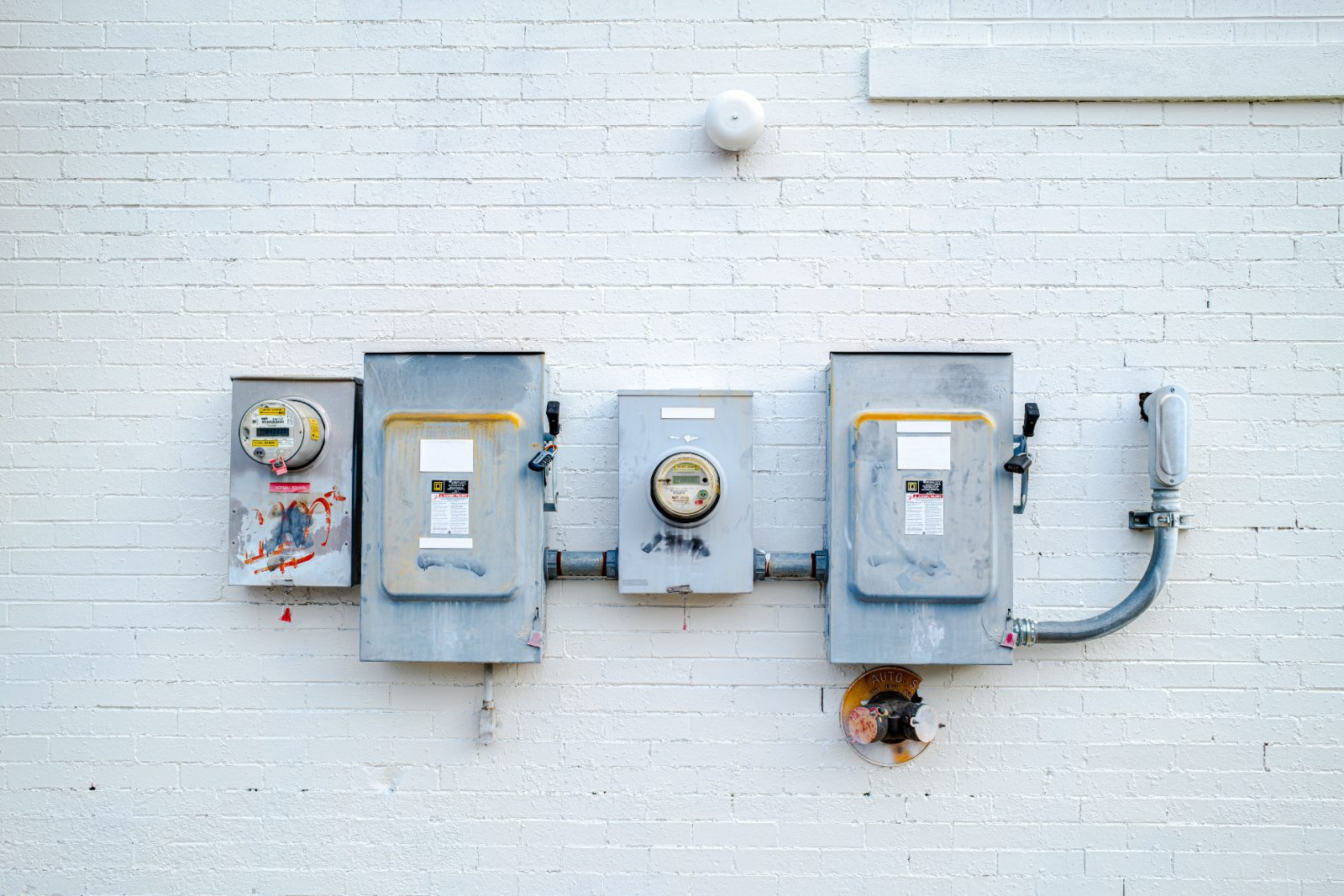
Unpermitted work is one of the most common violations discovered during resale, and it is among the costliest to fix retroactively. Start by reviewing your county building permit records online. Most jurisdictions have searchable databases where you can pull the permit history for your address. Look specifically for finished basements, added bathrooms, deck construction, or garage conversions that do not appear in the permit records. If the square footage on the tax assessor’s site does not match what you are living in, you have a problem that needs to be addressed before listing.
Step 2 – Estimate Your Repair Costs (With 2026 Pricing Benchmarks)
Knowing what repairs cost helps you decide whether fixing violations makes financial sense or whether selling as-is is the better path. The numbers below reflect 2026 contractor pricing across most U.S. markets.
Minor Violations: Under $1,000
Smoke alarm relocation or replacement runs $100 to $300. GFCI outlet installation costs $150 to $400 per outlet, depending on whether the wiring is accessible. Handrail repairs fall between $200 and $600. Installing a bathroom vent fan that exhausts to the exterior, not into the attic, runs $300 to $800.
Moderate Violations: $1,000–$5,000
Upgrading an electrical panel to 200-amp service costs $1,500 to $3,000. Replacing sections of polybutylene plumbing pipe, a common violation in homes built between 1978 and 1995, runs $2,000 to $5,000 depending on accessibility. Bringing a basement window into egress compliance costs $1,500 to $4,000 per window, which includes cutting a larger opening and installing a proper escape well.
Major Violations: $5,000–$30,000+
Roof replacement runs $10,000 to $25,000 depending on square footage and material. Foundation repairs range from $5,000 for minor crack injection to $30,000 for piering and structural reinforcement. Full electrical rewiring costs $8,000 to $15,000. Structural reinforcement for an unpermitted addition can run anywhere from $10,000 to $50,000, depending on what the original builder skipped.
Get Multiple Bids—And Ask About Permitting Fees
For any repair over $2,000, get at least three contractor quotes. Factor in permit fees, which typically run $150 to $800 depending on your jurisdiction and the scope of work. Crucially, ask each contractor whether their quote includes final inspection sign-off. Some contractors stop at rough-in inspection and leave you holding an open permit, which is functionally the same as a violation when you are trying to sell.
Step 3 – Choose Your Contractor Wisely (Red Flags and Green Lights)
The contractor you hire will either clear your path to closing or create a new set of problems. Green lights include: licensed and bonded in your state, carries general liability insurance, provides a written contract with a defined scope and timeline, and pulls permits themselves rather than asking you to do it. Red flags include: cash-only payment requests, no physical business address, refusal to pull permits, and any offer to “make it look compliant” without performing actual code-compliant work. Verify license status through your state contractor licensing board. Most states have online lookup tools that take thirty seconds to use. Ask for references from homeowners who sold after similar violation repairs, not just general remodeling clients. A contractor who specializes in remediation for resale understands the documentation and speed requirements of a pending transaction. You can find qualified professionals through a service that connects homeowners with code violation specialists who handle exactly this type of pre-sale remediation.
Step 4 – Understand Your Disclosure Obligations (2026 Legal Landscape)
Every state requires sellers to disclose known material defects, and code violations qualify as material defects without question. Virginia’s Residential Property Disclosure Act, codified at sections 55.1-700 through 55.1-714, serves as a useful model: sellers must disclose known violations or face legal liability after the sale closes. If you repair a violation, you must disclose that it existed and that it has been remediated. Hiding the history, even if the problem is fixed, can lead to lawsuits for failure to disclose. Grandfathered violations are a narrow exception. Older homes may be held to the code in place at the time of construction, but that protection typically evaporates if substantial renovations have occurred since. Work with your real estate agent to draft accurate disclosure language. Do not rely on generic forms that may not capture the specifics of your situation.
Step 5 – Decide: Fix Everything, Fix Selectively, or Sell As-Is?
You have three paths. The right one depends on your timeline, your cash reserves, and your local market conditions.
Option A – Fix Everything Before Listing
This path works best for sellers in strong markets where repaired homes command premium prices, and for those who have four to eight weeks and the cash to fund repairs upfront. The advantages are clear: the largest possible buyer pool, the highest sale price, and no disclosure stigma hanging over the listing. The downsides are the upfront cash outlay, the risk of scope creep once walls are opened, and potential delays if your local building department is backed up on permit reviews.
Option B – Fix Only the Deal-Killers
This middle path suits sellers who want to list on the open market but cannot afford or do not need full remediation. Focus your budget on electrical safety issues, roof leaks, structural defects, and unpermitted additions that could trigger municipal action. Leave minor violations, such as a misplaced smoke alarm or a missing GFCI in a half-bath, for buyer negotiation. You will still sell to a conventional buyer, but you will likely give up a small concession at closing rather than funding the repair yourself.
Option C – Sell As-Is to a Cash Buyer
This is the fastest path, with closings possible in 7 to 14 days. It works best for sellers with major structural violations, those without repair funds, or those who simply need to exit the property immediately. Cash offers typically range from 50 to 80 percent of the home’s after-repair value, depending on violation severity. You avoid repair costs and delays, and you have no liability for work you did not perform. But you must still disclose known violations. Before choosing this route, run the net proceeds calculation: estimate what the home would sell for fully repaired, subtract repair costs and holding costs, and compare that number to the cash offer on the table.
How to Clear Code Violations Before Selling: A 6-Week Timeline
Week one: hire a contractor for a code inspection, obtain a written scope of work, and get three bids. Week two: select your contractor, pull permits, and schedule the work. Weeks three and four: complete repairs and schedule rough-in inspections as each phase finishes. Week five: final inspection sign-off and obtain a certificate of compliance from your municipality. Week six: list the property on the MLS with full disclosure of all remediated violations. Note that some jurisdictions have longer permit timelines. The Phoenix metro area, for example, encompasses roughly two dozen separate code jurisdictions, each with its own review schedule. Check with your local building department before you set a listing date.
What Happens If You Don’t Clear Violations Before Selling?
Deals fall through when the buyer’s lender refuses financing after an appraisal flags violations. Buyers who are still willing to proceed often demand steep price reductions, sometimes 1.5 to 2 times the actual repair cost, as a hassle premium for taking on the work themselves. In a buyer’s market, purchasers simply walk away rather than negotiate on code violations at all. You may face post-sale lawsuits if undisclosed violations are discovered by the new owner, and some insurance carriers cancel policies mid-transaction when violations surface during inspection. The cost of avoidance is almost always higher than the cost of remediation.
Frequently Asked Questions About Clearing Code Violations Before Selling
Can you find out who reported you to code enforcement? Typically no. Most jurisdictions keep complainant identities confidential to prevent retaliation. However, if the complaint came through a permit inspection or a public record, the source may be traceable. What is the biggest red flag in a home inspection for buyers? Unpermitted work and active electrical violations top the list, followed by foundation cracks and roof leaks. Do you have to disclose violations you have already fixed? Yes. Disclose that a violation existed and that it has been remediated with permits and final inspection sign-off. Are repair costs tax-deductible? Generally no for a personal residence, but repairs made to facilitate a sale may affect capital gains calculations. Consult a tax professional for your specific situation. For more detailed guidance on navigating the repair process, many homeowners find it helpful to review available services that specialize in code violation remediation before listing.
Final Checklist – 7 Steps to Clear Code Violations Before Selling
- Schedule a code-specific inspection, not a standard home inspection.
- Obtain a written repair scope with permit requirements clearly identified.
- Get three contractor bids and verify licenses and insurance for each.
- Pull permits and schedule inspections before work begins.
- Complete repairs and obtain final sign-off from the building department.
- Update your disclosure documents with full remediation details.
- List your home with confidence, knowing you have cleared the path to a smooth closing.



0 Comments