
A stop work order in Lakeland halts all construction activity on a property until Polk County or the city confirms the underlying violation has been corrected. Most orders are triggered by unpermitted work, plans that don’t match what was built, or a failed inspection, and fines accrue daily while the project sits idle. The fastest way back to work is correcting the violation and filing the right permit through a licensed contractor. As a licensed Florida General Contractor (CGC1524141) and Plumbing Contractor (CFC1430823), our team handles both the permitting and the physical repair needed to resolve the violation.
Table of Contents
- What Is a Stop Work Order in Lakeland, Florida?
- Why Did You Get a Stop Work Order? Top Triggers in Polk County
- The Real Cost of Ignoring a Stop Work Order in Lakeland
- Step-by-Step Guide: How to Lift a Lakeland Stop Work Order
- Lakeland’s New 2026 Rules: What Ordinance 25-044 Means for Your Project
- How to Avoid a Stop Work Order in Lakeland
- Frequently Asked Questions About Lakeland Stop Work Orders
- Getting Your Project Back on Track
What Is a Stop Work Order in Lakeland, Florida?
A stop work order is an official directive issued by the Lakeland Building Department or Polk County Code Enforcement that requires all construction activity to cease immediately. It is not a suggestion, a recommendation, or a negotiable request. It is an enforcement tool backed by Florida Statute 553.79 and local municipal codes, and it carries the full weight of law.
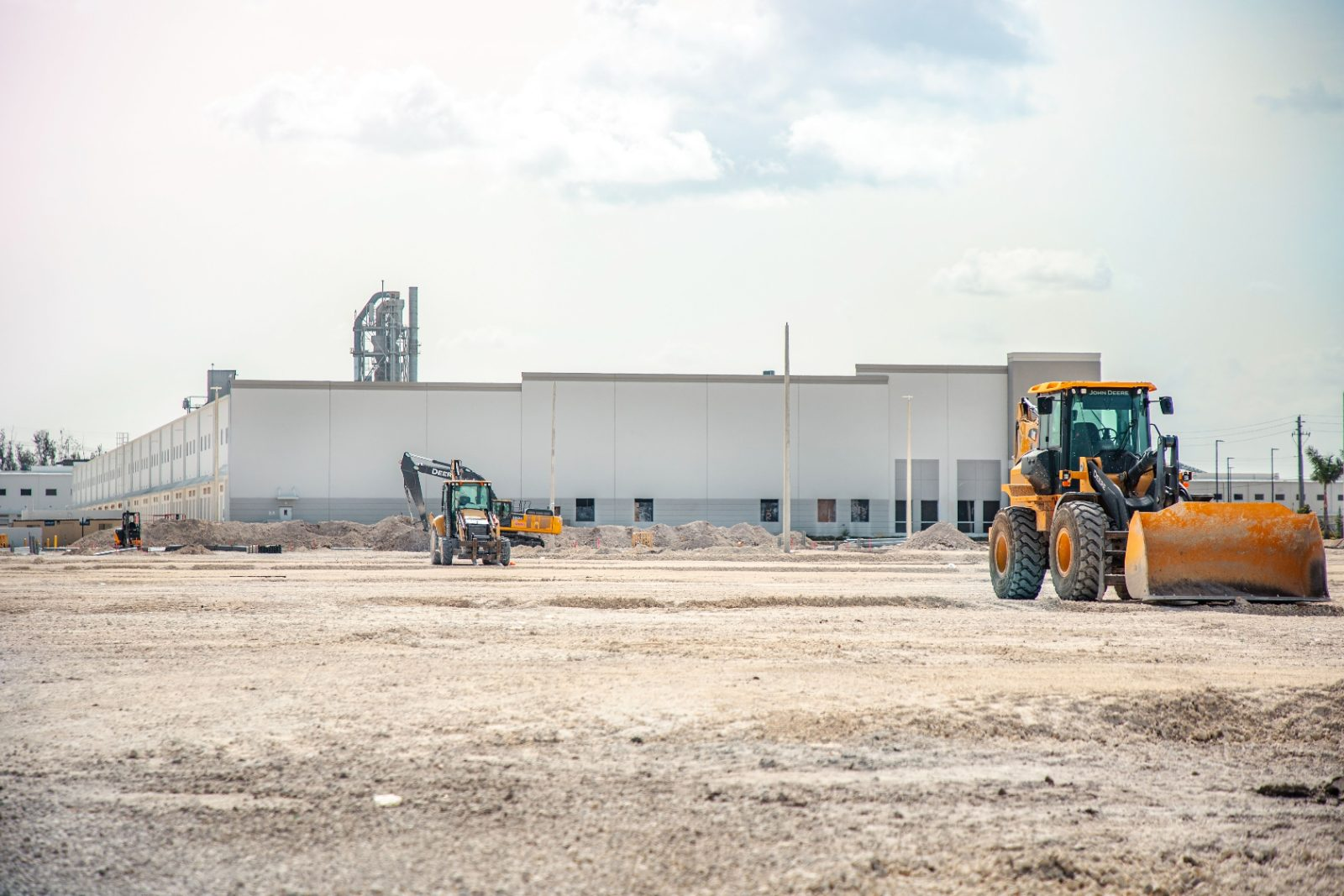
There are two types of stop work orders you might encounter. A full stop work order halts every trade and activity on the site. No framing, no electrical, no plumbing, no painting. A partial stop work order targets a specific trade or area of the project. For example, the electrical rough-in might be halted due to a failed inspection while other trades can continue, provided they are not dependent on or interfering with the cited violation.
The order can be delivered in several ways. An inspector may post it physically on the property, mail it to the owner of record, or serve it in person to the contractor or site supervisor. Regardless of how it arrives, the moment a lakeland stop work order is issued, all work must stop. The order applies equally to residential homeowners pulling owner-builder permits and to large commercial general contractors running multi-million-dollar projects. Ignoring it transforms a code compliance issue into a criminal matter, a line no property owner or contractor should ever cross.
Why Did You Get a Stop Work Order? Top Triggers in Polk County
When the red tag appears, the first question is always the same: why me? Understanding the trigger is essential because the path to lifting the order depends entirely on the nature of the violation. In Lakeland and throughout Polk County, several patterns emerge repeatedly.
Workers’ compensation violations are the single most common trigger for stop work orders across Florida, and Lakeland is no exception. The state takes a zero-tolerance approach. If a contractor has no workers’ comp coverage, has let a policy lapse, or has misclassified employees as independent contractors to avoid premiums, the Division of Workers’ Compensation can issue a stop work order that shuts down the entire site. This applies even if the violation involves only one subcontractor. The general contractor and property owner both get caught in the net.
Unpermitted work is the next major trigger. Lakeland requires permits for a wide range of projects, from new construction and additions to seemingly minor jobs like fence installation, shed placement, window replacement, and interior wall removal. When a building inspector drives by and spots construction activity with no permit posted, or when a neighbor files a complaint, a stop work order often follows within hours.

Expired permits create a related but distinct problem. A permit pulled two years ago for a bathroom remodel that stalled out and never received a final inspection is a violation waiting to be discovered. Permits have a limited lifespan, and once they expire, all work performed under them becomes unpermitted retroactively.
Safety and code violations flagged during a scheduled inspection can also trigger an immediate stop. Unsafe scaffolding, exposed electrical wiring, improper structural framing, or missing fire-rated assemblies are all grounds for halting work until corrections are made and verified.
A less obvious but increasingly common trigger in Polk County involves change of use. Converting a single-family home into a duplex, turning a residential property into a short-term rental, or shifting a retail space into a restaurant without proper zoning approval and permits will draw code enforcement attention. The property may have functioned one way for years, but the moment the use changes without authorization, the city can step in.
Finally, inherited violations are a painful surprise for many new property owners. You buy a house in Lakeland, start a kitchen renovation, and discover that the previous owner’s 2019 addition was never permitted or never received final inspection. The violation predates your ownership, but the stop work order has your name on it. This scenario is more common than most buyers realize, especially in older Lakeland neighborhoods where unpermitted work has changed hands multiple times.
What Does It Cost to Ignore a Stop Work Order in Lakeland?
The temptation to keep working after an inspector leaves is real. A day of lost productivity means paying crews to stand idle, missing subcontractor windows, and pushing back completion dates. But the cost of ignoring a lakeland stop work order dwarfs any short-term schedule pressure.
Florida law is explicit about the consequences. Continuing to work after a stop work order has been issued is classified as a third-degree felony. This is not a civil fine or an administrative penalty. It is a criminal charge that carries a maximum sentence of five years in prison and a five-thousand-dollar fine. The state treats continued work as a knowing and willful violation of a lawful order, and prosecutors in Polk County do pursue these cases.
On the civil side, daily fines accumulate at a minimum of one thousand dollars per day, per violation. If your project has multiple violations, those fines stack. A week of defiant work can generate fines that exceed the cost of the original permit ten times over. These fines do not disappear. They attach to the property and can become a lien that blocks sale or refinancing.
Title companies and mortgage lenders flag properties with active code enforcement actions. If you are trying to sell a house with an unresolved stop work order, expect the closing to stall. Most title insurers will not issue a policy until the order is lifted, all fines are paid, and a certificate of compliance is recorded. If you are a contractor, your liability insurance carrier may cancel or non-renew your policy if they learn you operated under an active stop work order, leaving you personally exposed.
The soft costs add up quickly too. Subcontractors booked weeks in advance will not hold their slots indefinitely. Material deliveries get returned or stored at additional cost. Equipment rentals continue accruing charges while sitting idle. The financial bleeding from a stop work order extends far beyond the fines themselves.
How Do You Lift a Lakeland Stop Work Order?
Lifting a stop work order is a process, not a phone call. The Lakeland Building Department and Polk County Code Enforcement have specific procedures that must be followed in sequence. Skipping steps or attempting to negotiate around them will only extend the delay.
Step one is to read the order carefully. The document itself contains the information you need to begin. It will cite the specific code section or statute violated, name the issuing officer or inspector, and describe the corrective action required. If the language is unclear, call the number on the order and ask for clarification. Do not argue. Do not explain. Just gather the facts.
Step two is to secure the site immediately. If the violation involves a safety hazard, such as an open trench, exposed wiring, or unstable scaffolding, address it right away. This demonstrates good faith to the building department and may prevent additional violations from being added to the file. Take photographs of everything you do. Documentation matters.
Step three is to bring in a licensed contractor if the situation requires one. Many stop work orders in Lakeland cannot be resolved by a homeowner acting alone. Structural corrections, electrical repairs, and life-safety upgrades typically require a licensed professional whose credentials are on file with the city. If the original violation involved unpermitted work, a contractor will need to pull a new permit or reopen the expired one.
Step four is to submit a correction plan to the building department. This is not a casual conversation. It is a formal submission that outlines exactly how you will bring the project into compliance. Depending on the violation, this may involve submitting revised engineering drawings, obtaining a permit reopening, filing a notice of correction, or scheduling a compliance review with the plans examiner.
Step five is to schedule and pass all required reinspections. The same inspector who issued the stop work order will typically return to verify that the corrections have been made. Every cited violation must be addressed. Partial compliance is not compliance. If the inspector finds additional issues during the reinspection, those must be corrected too before the order can be lifted.
Step six is to pay all outstanding fees. This includes reinspection fees, administrative costs, and any daily fines that accrued from the date the order was issued to the date compliance was verified. The Lakeland Building Department will provide a final accounting. Pay it promptly and keep the receipt.
Step seven is to obtain the official written release. Do not resume work based on a verbal okay from an inspector. You need the formal lift order in writing, on letterhead, with a case number and date. Post it on the jobsite next to your permit. Only then can you legally resume construction.
Lakeland’s New 2026 Rules: What Ordinance 25-044 Means for Your Project
Lakeland is not standing still when it comes to development regulations. Proposed Ordinance 25-044, dated December 15, 2025, and taking effect in 2026, introduces changes that directly affect how construction projects begin and how stop work orders can arise.
The most significant provision establishes a process for early start construction permits. Under the new rules, developers and property owners in new subdivisions can begin certain construction activities before the final plat is officially recorded. This is a major shift from the traditional sequence, which required plat recording before any building permit could be issued. The early start process is designed to reduce delays for projects that have already cleared preliminary review, but it comes with strict conditions. All pre-construction documentation must be complete, all impact fees must be paid or bonded, and the developer must sign an indemnification agreement holding the city harmless if the plat is ultimately not recorded.
The ordinance also streamlines the minor subdivision review process, making it easier to divide land into smaller parcels without triggering a full public hearing. This reduces the risk of unpermitted lot splits, which have historically been a common trigger for code enforcement actions in Polk County.
For anyone operating under an early start permit, the stop work order risk remains very real. The permit allows you to begin early, but it does not exempt you from inspections, code compliance, or the requirement to stop work if a violation is found. If anything, the documentation requirements are stricter, and the building department will be watching early start projects closely to ensure the new process is not abused. Developers and homeowners who take advantage of the 2026 rules should be meticulous about paperwork and proactive about scheduling inspections.
How to Avoid a Stop Work Order in Lakeland
Prevention is always cheaper than cure. Most stop work orders in Lakeland are entirely avoidable with some basic diligence before and during construction.
Pull permits before you do anything. Even for projects that seem minor, check with the Lakeland Building Department. The permit application fee is a fraction of the fines you will pay if you are caught working without one.
Verify your contractor’s licensing and insurance before they set foot on your property. Ask for a copy of their workers’ compensation certificate and general liability policy. Call the insurer to confirm the policy is active. A contractor who cannot produce current insurance documents is a stop work order waiting to happen.
Schedule inspections on time and do not let work sit uninspected. Permits expire, and once they do, all subsequent work is technically unpermitted. If your project stalls, contact the building department about a permit extension before the expiration date passes.
Keep all documentation on site. The permit card, approved plans, and inspection records should be posted in a visible location, protected from weather. When an inspector drives by and sees a properly posted permit, they are far less likely to initiate a random check.
Before buying any property in Polk County, conduct a permit history search. The Lakeland Building Department can provide records of all permits pulled for a given address, including their status. If you find open or expired permits from a previous owner, factor the cost of resolution into your offer or require the seller to resolve them before closing. Inheriting someone else’s code violations is an expensive and stressful way to start a new project.
Frequently Asked Questions About Lakeland Stop Work Orders
What is the difference between a stop work order and a work order?
These two terms are often confused, but they have nothing in common. A stop work order is a government enforcement action issued by a building department or code enforcement agency that legally requires all construction to halt. A work order is a task assignment, typically used in property maintenance and facilities management, that instructs a worker to perform a specific job. If you are searching for how to cancel a work order, you are in a completely different context than someone facing a lakeland stop work order.
Can I sell my house with a stop work order on it?
Technically yes, but practically it is extremely difficult. Most title insurance companies will refuse to issue a policy on a property with an active code enforcement action. Mortgage lenders will not fund a purchase without title insurance. The stop work order and all associated fines must be resolved and a certificate of compliance issued before a conventional closing can proceed.
How long does it take to lift a stop work order in Lakeland?
The timeline depends entirely on the nature and severity of the violation. A simple expired permit can often be resolved in one to two business days once the proper paperwork is filed and fees are paid. A complex structural violation requiring engineered drawings, contractor repairs, and multiple reinspections can take several weeks. The key variable is how quickly you submit a complete and correct correction plan.
What is being built on Lakeland Highlands Road?
The Orlando Health Watson Clinic is constructing a new hospital with more than three hundred beds on Lakeland Highlands Road, scheduled to open in summer 2026. Large-scale projects of this magnitude are subject to frequent inspections at every phase of construction. Even major institutional builders can receive stop work orders if a phase fails inspection or if a subcontractor’s compliance documentation lapses.
Getting Your Project Back on Track
A lakeland stop work order feels like a disaster in the moment, but it is a solvable problem. The critical factor is how you respond. Read the order, understand the violation, secure the site, and begin the correction process immediately. Every day of delay adds fines and pushes your completion date further out.
If the violation involves structural issues, expired permits, or work performed by a previous owner, professional help can make the difference between a one-week resolution and a months-long ordeal. Code violation specialists understand the Lakeland Building Department’s procedures, can represent property owners before special magistrates, and know how to navigate the new 2026 ordinance requirements. Whether you need a permit reopened, a correction plan drafted, or representation at a code enforcement hearing, the path forward starts with a clear understanding of what went wrong and a deliberate plan to make it right.



0 Comments