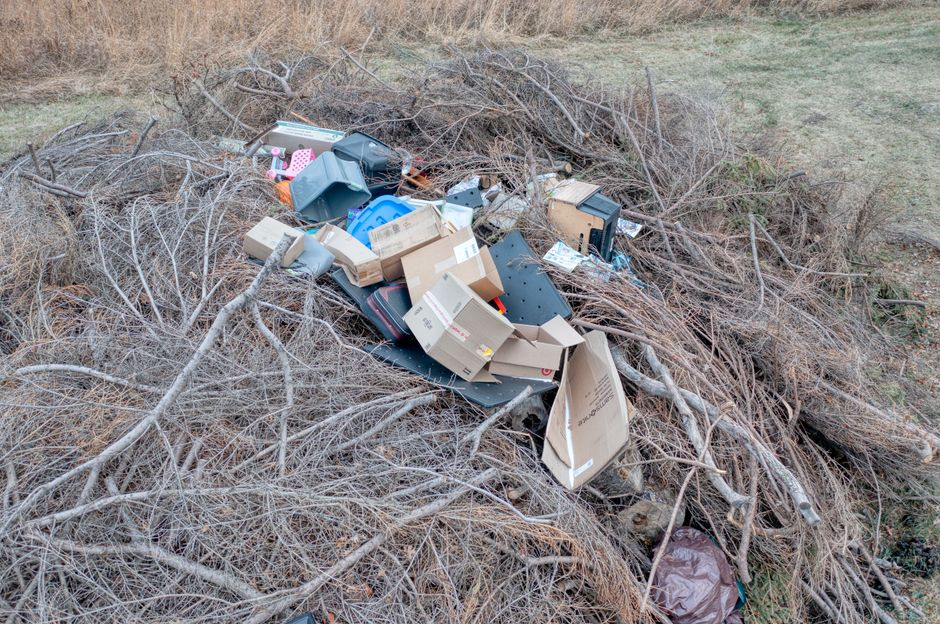
A code violation in Myakka City is a property condition that doesn’t meet Manatee County’s rural and residential codes, and cases here often involve unpermitted structures, agricultural exemptions applied incorrectly, or septic and well issues specific to the area. Left uncorrected, a violation can accrue daily fines and eventually become a lien against the property. Resolving the case means correcting the underlying issue and passing county re-inspection through a licensed contractor familiar with the area’s rural requirements. As a licensed Florida General Contractor (CGC1524141) and Plumbing Contractor (CFC1430823), our team handles both the permitting and the physical repair needed to resolve the violation.
Table of Contents
- The State of Code Enforcement in Myakka City (2026 Update)
- Common Code Violations in Myakka City (Rural and Residential Focus)
- How the Code Enforcement Process Works (Step by Step)
- How to Check the Status of a Myakka City Code Enforcement Case
- Can You Find Out Who Reported You? Florida’s Anonymity Rules
- What to Do If You Receive a Code Violation Notice
- The $26.3 Million Problem: Why Some Myakka City Violations Go Unresolved
- Frequently Asked Questions About Myakka City Code Violations
- Final Checklist for Myakka City Property Owners (2026)
What Is the State of Code Enforcement in Myakka City in 2026?
Manatee County currently carries over $26.3 million in outstanding fines and liens, with Myakka City properties representing some of the largest chronic cases in the system. The top 20 offenders in the county each owe more than $500,000, and five individuals have accrued fines exceeding $1 million. These are not small oversights. Commissioner Kruse put it plainly: “That’s not 26,000 old ladies with $1,000 worth of fines.” The backlog is driven by a concentrated group of property owners who have refused to comply for years, sometimes decades.
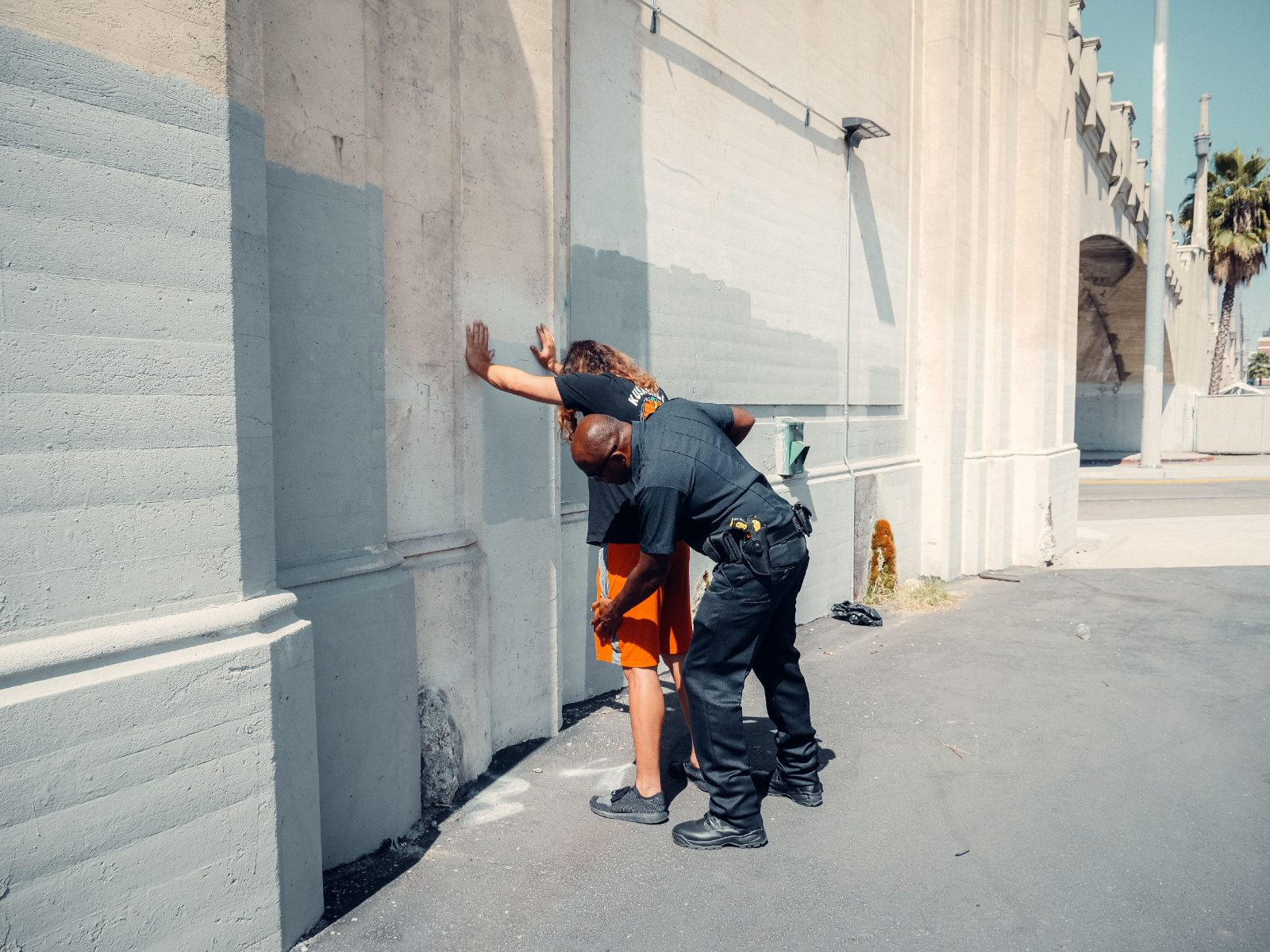
Daily fines compound the problem quickly. The Special Magistrate imposes $50 per day for residential properties and $100 per day for commercial properties, and these amounts continue accruing until the county verifies compliance. A violation that goes unresolved for a year on a residential lot generates $18,250 in fines. Left for a decade, the numbers become staggering.
Despite these massive liens, property values in the area have continued to rise. The Pugh property on Hog Town Lane, which carries a lien of $1,408,500 for storing junk vehicles and debris since March 2010, saw its assessed value climb from $194,000 to $459,000. This creates a paradox where fines do not force a sale or compel cleanup. Florida Statute 162 further limits enforcement by preventing officers from trespassing on occupied property without a warrant, meaning voluntary compliance remains the primary lever available to the county.
Common Code Violations in Myakka City (Rural and Residential Focus)
Myakka City’s rural character shapes the types of violations that code enforcement officers encounter most frequently. Understanding these common issues helps property owners stay ahead of potential complaints.
Storing inoperable or dismantled vehicles is the most frequent violation in the area. Properties with agricultural or hobby uses often accumulate project cars, tractors, and equipment that become visible from the road. Even vehicles kept behind a fence can trigger a complaint if they are visible from a neighboring property or public right-of-way.
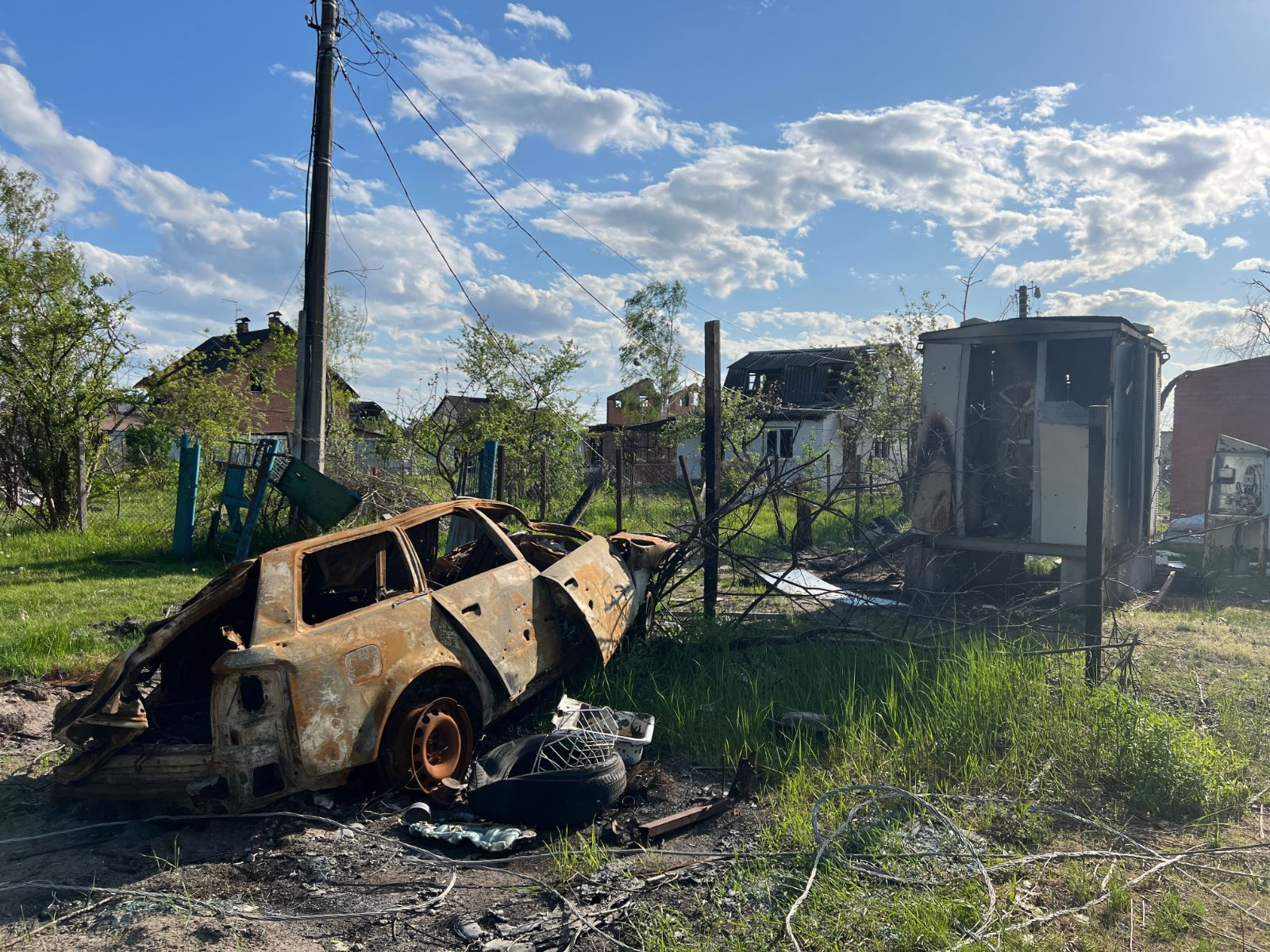
Accumulation of trash, debris, and construction waste creates another common trigger. Rural lots sometimes become dumping grounds for household garbage, old appliances, building materials, and scrap metal. The county considers any accumulation visible from the road or affecting neighboring properties as a violation.
Unpermitted structures present a significant issue, particularly shed-to-residence conversions and illegal lodging or camping in barn-type buildings. Myakka City’s agricultural zoning allows certain structures, but converting a barn into living quarters without permits violates building and safety codes. The county treats these as serious violations due to the health and safety risks involved.
Tall grass and overgrown vegetation exceeding 10 inches in height frequently generate complaints in rural subdivisions where maintained lots sit next to unmanaged acreage. Signage violations, including unpermitted commercial signs placed on residentially zoned land, round out the most common issues code enforcement handles in the area.
How Does the Code Enforcement Process Work?
Step 1: Complaint and Investigation
Every myakka city code violation case begins with a complaint. Florida Statute 162.21 requires complainants to provide their name and address before an investigation can begin. Anonymous complaints are prohibited by state law. Residents can submit complaints through the Manatee 311 App, by calling 311 or 941-748-2071, or by emailing code.enforcement@mymanatee.org. In-person complaints are accepted at 9000 Town Center Parkway in Lakewood Ranch. Once filed, a code enforcement officer inspects the property within a few business days during regular hours, Monday through Friday from 8:00 AM to 5:00 PM.
Step 2: Courtesy Notice and Notice of Violation (NOV)
If the officer confirms a violation exists, the response depends on severity. For minor, first-time issues, the officer typically leaves a courtesy notice describing the problem and requesting voluntary compliance. For serious or repeat offenses, a formal Notice of Violation is issued. The NOV includes a specific compliance deadline, usually 10 to 30 days depending on the violation type. This document marks the official start of the enforcement timeline and should never be ignored.
Step 3: Citation, Notice to Appear, or Special Magistrate
When the compliance deadline passes without resolution, the case escalates. The officer may issue a citation carrying a fine, or the case may be referred to a Special Magistrate for a hearing. The Special Magistrate holds the authority to impose daily fines retroactive to the NOV date. Property owners receive notice of the hearing and have the right to appear, present evidence, and argue their case. Failing to attend does not stop the process. The magistrate’s decision is legally binding.
Step 4: Liens and Enforcement
Unpaid fines become a lien against the property, accruing interest over time. These liens attach to the property itself, not just the owner, meaning they survive a sale. The county can eventually foreclose on the lien, though this remedy is rarely pursued for smaller amounts. For most property owners, the lien becomes a problem at closing, when title companies require satisfaction before the sale can proceed. A $500 violation left unpaid for years can grow into a five-figure lien that consumes equity and complicates any transaction.
How to Check the Status of a Myakka City Code Enforcement Case
Manatee County provides online access to code enforcement records through the Accela Citizen Access portal. Searching “Code Enforcement Accela Records” leads to the system, where you can enter a property address or case number to view open violations, scheduled hearing dates, and current fine balances. The portal shows the full history of a case, including officer notes and compliance verification dates.
If the online portal returns unclear results, call Code Enforcement directly at 941-748-2071 and reference your case number. Staff can explain the current status and what steps remain. Keep in mind that case records are public. Neighbors, potential buyers, and anyone with an internet connection can search for your property’s enforcement history. This transparency makes prompt resolution even more important for property owners concerned about future sales or refinancing.
Can You Find Out Who Reported You? Florida’s Anonymity Rules
The question of complainant identity comes up in nearly every code enforcement dispute. Florida Statute 162.21 requires anyone filing a complaint to provide their name and address before an investigation can begin. This information becomes part of the case record. The county does not proactively disclose the complainant’s identity to the property owner, but the information is technically a public record.
You can file a public records request with Manatee County to obtain the complaint form, though limited redactions may apply in rare circumstances involving safety concerns. If a code enforcement officer initiated the complaint through proactive patrol, there is no third-party complainant to identify. Understanding this process helps property owners decide whether pursuing the complainant’s identity is worth the effort, especially since most violations are confirmed by officer observation rather than relying solely on the initial complaint.
What to Do If You Receive a Code Violation Notice
Immediate Steps to Avoid Daily Fines
The single worst action you can take is ignoring the notice. Daily fines start accruing the day after the compliance deadline passes, and they do not stop until the county verifies the violation is corrected. Contact the assigned officer immediately upon receiving a notice. Officers can grant timeline extensions for legitimate reasons, such as needing to schedule heavy equipment removal or waiting on contractor availability. Document every conversation, including dates, names, and what was agreed upon. A verbal extension without written confirmation offers little protection if the case escalates.
How to Appeal a Violation or Negotiate Fines
If you believe the violation was issued in error or you need relief from accumulated fines, request a hearing before the Special Magistrate. This is your opportunity to present evidence of compliance, demonstrate that the violation does not exist, or explain why fines should be reduced. Hardship considerations, including medical issues, financial constraints, or weather-related delays, can lead to fine reduction or waiver, but you must provide documentation. Medical records, income statements, and dated photographs all support a hardship argument.
For minor violations where compliance has been achieved, a compliance agreement may allow you to pay reduced fines in installments rather than a lump sum. These agreements are negotiated through the code enforcement office and require demonstrated good faith. The county prefers compliance over collection, and officers have discretion to work with property owners who engage constructively.
When to Hire a Code Violation Contractor
Complex violations involving junk vehicle removal, demolition of unpermitted structures, or large-scale land clearing often exceed what a property owner can handle alone. A specialized contractor familiar with Manatee County’s specific compliance requirements ensures the work meets standards the first time, avoiding costly re-inspections and extended daily fines. Contractors also provide the documentation code enforcement requires: dated photographs, receipts for disposal, and inspection reports that prove the violation has been fully resolved.
For property owners facing multiple violations or liens that have already accrued, professional help often pays for itself by stopping daily fines faster than a DIY approach. If you need assistance navigating the cleanup process, our services page outlines how we help Myakka City property owners resolve violations efficiently.
The $26.3 Million Problem: Why Some Myakka City Violations Go Unresolved
The William Pugh case on Hog Town Lane illustrates the enforcement system’s fundamental limitations. With a lien exceeding $1.4 million for junk vehicles and debris stored since 2010, Pugh has simply refused to comply. Florida law prevents code enforcement from entering occupied property without a warrant or evidence of criminal activity, and storing junk vehicles is a civil violation, not a criminal one. The result is a punitive process that can impose enormous fines but cannot physically force cleanup.
This dynamic explains why a small number of property owners account for the vast majority of outstanding fines. Commissioner Kruse’s observation about the concentration of major offenders highlights a structural problem: the system works reasonably well for the roughly 75 percent of cases that achieve compliance, but the remaining 25 percent can persist indefinitely. Property values rising despite massive liens removes another potential lever, as owners have little financial incentive to comply when their investment continues appreciating regardless.
The county has explored legislative changes to strengthen enforcement tools, but as of 2026, the system remains largely unchanged from the framework established years ago. For property owners who want to resolve violations, the takeaway is clear: the county cannot force you to comply, but the lien will eventually complicate or prevent any sale, refinance, or transfer of the property.
Frequently Asked Questions About Myakka City Code Violations
Can code enforcement come on my property without permission?
No. Code enforcement officers cannot trespass on occupied property without a warrant or evidence of criminal activity. You have the right to refuse entry. Officers typically observe violations from the road or neighboring properties. If they need access for a closer inspection, they must obtain permission or a warrant.
How long do I have to fix a code violation?
The Notice of Violation specifies a compliance deadline, typically 10 to 30 days depending on the violation type. Extensions are available if you communicate with the officer before the deadline passes and can demonstrate progress or legitimate obstacles.
What happens if I sell my property with a code lien?
The lien must be satisfied at closing. Most title companies require clearance before the transaction can proceed, meaning the lien amount comes out of the seller’s proceeds. In some cases, a buyer may agree to assume the liability, but this is uncommon and typically reduces the sale price.
Can I report a violation anonymously?
No. Florida Statute 162.21 requires your name and address to file a complaint. The county does not share your identity with the property owner unless the owner files a public records request to obtain the complaint form.
Final Checklist for Myakka City Property Owners (2026)
Walk your property weekly and look for tall grass, visible debris, and inoperable vehicles that could trigger a complaint. If you receive a notice, respond within seven days to stop the clock on daily fines and establish good faith with the officer. Keep records of all communications with Code Enforcement, including dates, names, and email threads. For large-scale cleanup, hire a contractor who understands Manatee County’s specific compliance requirements and can provide the documentation needed to close the case. After work is complete, check the Accela portal monthly to confirm your case is marked “Closed.” A case left open due to an administrative oversight can continue accruing fines without your knowledge. For more guidance on resolving violations or to discuss your specific situation, visit our contact page.

0 Comments