
A stop work order in Fort Myers halts all construction the moment it’s posted, and it stays in effect until the city or Lee County confirms the underlying violation has been corrected. Most orders are triggered by unpermitted work, expired permits, or a failed inspection, and daily fines can begin accruing the longer the site sits idle. The fastest path back to work is identifying the exact violation, filing the correct permit, and passing re-inspection through a licensed contractor. As a licensed Florida General Contractor (CGC1524141) and Plumbing Contractor (CFC1430823), our team handles both the permitting and the physical repair needed to resolve the violation.
Table of Contents
- What Is a Stop Work Order in Fort Myers? (And Why You Got One)
- The Real Cost of Ignoring a Stop Work Order in Fort Myers
- Step-by-Step Guide to Lifting a Stop Work Order in Fort Myers
- How Long Does a Stop Work Order Last in Fort Myers?
- Fort Myers vs. Cape Coral vs. Fort Myers Beach: Key Differences
- When to Hire a Professional for Stop Work Order Assistance
- Frequently Asked Questions About Stop Work Orders in Fort Myers
- Final Checklist: What to Do Today If You Received a Stop Work Order
What Is a Stop Work Order in Fort Myers, and Why Did You Get One?
A stop work order, often abbreviated as SWO, is a legal directive issued by the City of Fort Myers or Lee County that requires all construction, demolition, or renovation activity on a specific property to cease immediately. The order is typically posted physically on site in the form of a red tag and is simultaneously recorded in the city’s digital permitting system, which runs on the EnerGov and Accela platforms. Once that tag goes up, every hammer swing, every wire pull, and every piece of drywall installation must stop until the violation is resolved and a formal release is granted.
The most common triggers for a fort myers stop work order are straightforward. Working without a permit tops the list, whether that means a full-scale addition, a roof replacement, or interior electrical work that someone assumed was minor enough to skip the paperwork. Deviating from approved plans is another frequent cause. If your inspector arrives and finds that the framing does not match the stamped drawings submitted with the permit application, a stop work order can be issued on the spot. Unsafe site conditions, such as unprotected trenches or missing fall protection, also prompt immediate enforcement. Less widely understood is Florida Statute 440.107, which authorizes stop work orders specifically for failure to secure workers’ compensation insurance. If a contractor cannot produce proof of coverage, the state can shut down the entire site regardless of whether the building work itself is permitted.
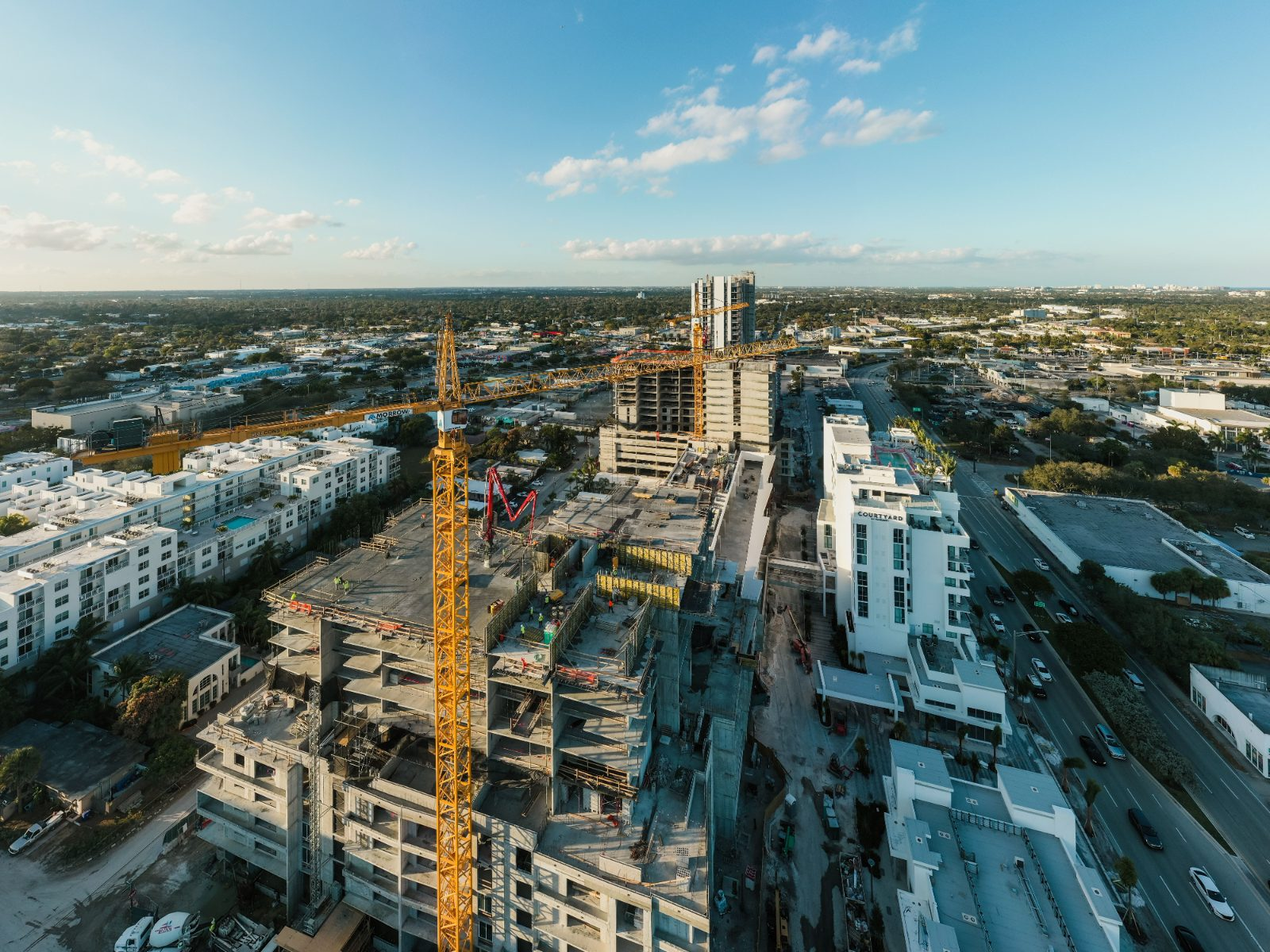
Post-Hurricane Ian, enforcement across Southwest Florida has intensified significantly. Cape Coral alone issued stop work orders to 22 properties in 2024, and Fort Myers officials have made it clear they are actively pursuing violations dating back five to six years. The storm recovery created a surge of unpermitted repairs as homeowners scrambled to restore damaged properties quickly, and local governments are now systematically working through those cases. If you bought a property with work done by a previous owner during the post-Ian rebuilding window, you could still be held responsible for violations you did not personally create.
It is worth making one important distinction. A government-issued stop work order from the City of Fort Myers is entirely different from a contract-based stop work clause that a property owner might invoke against a contractor in a payment dispute. This guide deals exclusively with municipal enforcement actions, which carry the weight of law and can result in fines, liens, and criminal charges if ignored.
The Real Cost of Ignoring a Stop Work Order in Fort Myers
The financial penalties for disregarding a stop work order in Fort Myers are designed to get your attention quickly. For a first violation, fines can reach $250 per day. Repeat violations double that figure to $500 per day. If the violation is deemed irreparable, meaning the unpermitted work cannot simply be corrected through the normal permitting process and must instead be demolished or entirely redone, the city can impose a flat penalty of up to $5,000. Those numbers come directly from recent Notices of Violation issued in the area, including a Fort Myers Beach case from late 2024 that cited Town Code Section 6-441 and Florida Building Code 105.1.
The 30-day compliance clock is the single most critical number to understand. Property owners typically have 30 days from receipt of the notice to bring violations into compliance. That does not mean 30 days to think about it, 30 days to get quotes, or 30 days to argue with the inspector. It means 30 days to correct the problem and pass a reinspection. If you miss that window, the fines do not pause, and the city can escalate to additional enforcement measures.

Beyond the daily fines, there are criminal implications. Continuing work despite an active stop work order can lead to misdemeanor charges and a mandatory court appearance. That is not a theoretical risk. Local code enforcement departments coordinate with the police and the city attorney’s office when property owners flagrantly ignore posted orders.
The hidden costs can be even more painful than the fines. Unpermitted work that triggers a stop work order can jeopardize your flood insurance rates, particularly in a coastal market like Fort Myers where FEMA flood maps dictate premiums. If the work was related to Hurricane Ian repairs and you are pursuing FEMA reimbursement, an unresolved SWO can freeze or disqualify your claim. When it comes time to sell or refinance the property, an active stop work order will appear in title searches and permit histories. Most lenders will not close on a property with open code enforcement actions, and buyers who discover unpermitted work will either walk away or demand a steep price reduction to cover the cost of resolution.
How Do You Lift a Stop Work Order in Fort Myers?
Step 1: Read the Notice Carefully (Do Not Touch Anything)
The moment you receive a stop work order, read every line of the notice. Identify the exact violation code being cited. Common references include Florida Building Code 105.1, which governs permit requirements, and local ordinances like Town Code Section 6-441. Write down the case number, the date the order was issued, and the specific deadline for compliance. If the notice says 30 days, circle that date on your calendar and treat it as non-negotiable.
Do not resume any work on the property. Do not remove the posted red tag from the site. Removing or defacing a city-issued stop work order sign is itself a violation that can result in additional fines or contempt charges. If you have contractors on site, inform them immediately that all activity must stop, and document that you communicated this instruction.
Step 2: Gather Your Documents and Site History
Before you contact the city, assemble everything you have related to the property and the work in question. Pull together any existing permits, approved plans, contractor agreements, change orders, and inspection records. If the work was performed by a previous owner or a contractor you no longer work with, you can look up the permit history through the City of Fort Myers Permit Portal at fortmyers.gov/2291. The EnerGov system allows you to search by address and pull up every permit ever issued for the property, along with inspection results and any outstanding violations.
Take dated photographs of the current site conditions. If the stop work order was issued for work you believe was permitted, those photos, combined with your permit documents, will be essential when you speak with the inspector. If the violation involves work you genuinely did not know was unpermitted, having a clear visual record of what exists on site helps the permitting office understand the scope of what needs to be addressed.
Step 3: Contact the City of Fort Myers Permitting Department
Your next call should be to the Site Permitting and Inspections office in downtown Fort Myers. Ask for the specific inspector assigned to your case, which you can identify using the case number on your notice. When you reach the inspector, your tone matters. Explain that you received the order, that all work has stopped, and that you want to understand exactly what is required to bring the property into compliance. Request a reinspection checklist so you have the requirements in writing.
If the violation is minor, such as painting or landscaping work that was done without a required permit, you may be able to resolve the issue the same day. In those cases, the inspector may allow you to apply for the permit retroactively, pay the fee plus any late surcharge, and schedule an inspection immediately. More complex violations involving structural changes, electrical work, or unpermitted additions will require a longer process.
Step 4: Apply for the Necessary Permits (Retroactive or New)
Once you know what permits are required, submit your applications through the EnerGov or Accela online portal. If the work was done without any permit at all, you are applying retroactively. Expect to pay the standard permit fees plus potential late fees or penalty surcharges. The city does not publish a simple fee schedule for retroactive permits because the costs depend on the scope of work, the length of time the violation existed, and whether this is a first or repeat offense.
For complex violations involving structural modifications, load-bearing walls, electrical panels, or additions, you will likely need stamped engineering drawings or architectural plans before the city will issue a permit. This is where the timeline can stretch from days to weeks. Hiring a licensed engineer or architect to assess the existing work and produce compliant drawings is not fast or cheap, but skipping this step means the permit will not be approved and the stop work order will remain active.
Step 5: Schedule the Final Inspection and Obtain the Release
After the corrections are complete and any required permits have been issued, schedule a reinspection through the online portal or by phone. The inspector will return to the site to verify that all violations have been addressed and that the work complies with the applicable codes. If the inspector signs off, the stop work order is formally lifted and you will receive a release notice.
Keep that release document permanently. It is your proof that the violation was resolved, and you may need it for insurance purposes, future permit applications, or when you sell the property. Without it, the stop work order could still appear as an unresolved issue in the city’s system even years later, creating headaches during a title search or refinancing.
How Long Does a Stop Work Order Last in Fort Myers?
There is no fixed expiration date for a stop work order in Fort Myers. The order remains active until the violation is corrected and a reinspection is passed. If you search online for how long a stop work order can last, you will find that the answer is essentially blank. That content gap exists because the duration is entirely dependent on the property owner’s response.
For minor violations, such as a fence or shed built without a permit, the entire process from receiving the order to passing reinspection can take one to three business days if you act immediately. For major violations involving structural changes, unpermitted electrical work, or additions that require engineered drawings, the timeline can stretch to several weeks or even months. If you ignore the order entirely, it remains active indefinitely. Fines continue to accrue daily, and the city can eventually file a lien against the property, which becomes a public record that clouds your title and complicates any future sale or refinance.
If you need more than 30 days to complete the required corrections, you can request a time extension from the permitting office. Extensions are not automatic. You must demonstrate good cause, such as delays in obtaining engineered drawings or contractor availability, and you must show that you are making active progress toward compliance. The city is more likely to grant an extension to a property owner who is communicating regularly and moving forward than to one who went silent after receiving the notice.
Fort Myers vs. Cape Coral vs. Fort Myers Beach: Key Differences
If you received a stop work order in Southwest Florida, the first thing to confirm is which municipality actually issued it. Fort Myers, Cape Coral, Fort Myers Beach, and unincorporated Lee County each operate their own permitting and enforcement systems, and the process for resolving a violation differs depending on jurisdiction.
The City of Fort Myers uses the EnerGov and Accela online portals for permit applications, inspections, and violation tracking. Enforcement is handled by the Site Permitting and Inspections department, and violations typically center on building code and zoning issues. The city has been steadily digitizing its records, which means most permit histories and violation notices are accessible online if you know where to look.
Cape Coral has taken an especially aggressive enforcement posture in the years following Hurricane Ian. In 2024 alone, the city issued stop work orders to 22 properties, approved 214 demolitions, and processed over 108,000 non-hurricane-related permits. The Cape Coral city manager has publicly stated that the city is pursuing unpermitted work dating back five to six years, meaning even long-completed projects are not safe from enforcement if they were never properly permitted.
Fort Myers Beach operates under its own town code, with Section 6-441 specifically cited in recent Notices of Violation. The town has been particularly active in issuing stop work orders for demolition work performed without permits, a common issue in coastal areas where older structures are frequently torn down and replaced. The 30-day compliance window with daily fines applies here as well.
Unincorporated Lee County has a separate permitting office and portal, and contractors working in the area must verify jurisdiction before starting any project. A property with a Fort Myers mailing address may actually fall under county jurisdiction, and contacting the wrong office will only delay resolution.
The practical takeaway is simple. Look at the letterhead on your notice. If it says City of Fort Myers, you are dealing with the city’s process and portal. If it says Lee County, Cape Coral, or Fort Myers Beach, your contacts, forms, and procedures will be different. Calling the wrong office wastes days of your 30-day window.
When to Hire a Professional for Stop Work Order Assistance
Some stop work orders can be resolved by a determined property owner with time and patience. Others demand professional intervention, and knowing the difference can save you thousands of dollars and months of delay.
You can likely handle the process yourself if the violation is a simple missing permit for minor work, such as a fence, a small shed, or interior cosmetic updates that accidentally triggered a permit requirement. If you are comfortable navigating the EnerGov portal, can gather your own documentation, and have the flexibility to visit the permitting office during business hours, a DIY approach is viable.
You should hire a permit expediter or code consultant if the violation is complex, if you are on a tight deadline, or if fines have already started accruing. These professionals understand the local permitting ecosystem, know which inspectors handle which types of cases, and can often move a file through the system faster than a homeowner navigating it for the first time. Permit expediting services in the Fort Myers area typically charge between $500 and $2,000 depending on the complexity of the violation and the number of permits required.
You need an attorney if the stop work order involves allegations of workers’ compensation fraud under Florida Statute 440.107, if criminal charges have been threatened, or if a lien has already been filed against your property. Attorney fees for stop work order defense can range from $2,500 to over $10,000, but when criminal exposure or a property lien is in play, the cost of legal representation is a fraction of what you stand to lose.
One critical warning. Avoid any contractor who offers to make the stop work order disappear without pulling proper permits. The only legitimate way to lift a government-issued SWO is through the permitting and inspection process. Anyone promising a shortcut is likely proposing something fraudulent, and as the property owner, you will be the one held responsible when the violation resurfaces. For complex cases, a professional code violation contractor can help you navigate the full resolution process, from permit applications through final inspection.
Frequently Asked Questions About Stop Work Orders in Fort Myers
Can I sell my house with an active stop work order?
Technically, you can list and sell a property with an open SWO, but you are legally required to disclose it to any potential buyer. In practice, most buyers will insist on resolution before closing, and most mortgage lenders will refuse to finance a property with unresolved code enforcement actions. If you are planning to sell, resolving the stop work order first is almost always the faster and more profitable path.
What if my contractor caused the stop work order?
The City of Fort Myers holds the property owner ultimately responsible for code compliance, regardless of who performed the work. You may have legal recourse against the contractor, including a claim for damages or a complaint to the Florida Department of Business and Professional Regulation, but those actions are separate from your obligation to resolve the violation with the city. Address the stop work order first, then pursue the contractor.
Do I need a permit for interior renovations?
Yes, if the work involves structural changes, electrical modifications, plumbing alterations, HVAC work, or major drywall removal. Cosmetic updates such as painting, flooring replacement, and cabinet installation generally do not require permits. When in doubt, call the permitting office and ask before starting work. A five-minute phone call can prevent a stop work order and thousands in fines.
Can I remove the stop work order sign myself?
No. The posted red tag is city property and a legal notice. Removing or defacing it can result in additional fines or contempt charges. The sign stays until the inspector removes it after a passed reinspection.
How do I check my permit status online?
Visit the City of Fort Myers EnerGov portal through the link on the city’s permitting page at fortmyers.gov/2291. You can search by property address or case number to view permit history, inspection results, and any active violations.
Final Checklist: What to Do Today If You Received a Stop Work Order
Stop all work immediately and notify any contractors on site. Photograph the posted notice and the current condition of the property. Note the case number and the deadline date from the notice. Call the Fort Myers Permitting Department to confirm the violation details and the inspector assigned to your case. Gather any existing permits, approved plans, and contractor records. Decide whether the scope of the violation is something you can handle yourself or whether you need a permit expediter or attorney. Submit the required permit application or correction plan through the EnerGov portal. Schedule the reinspection as soon as all corrections are complete. Keep the final release letter in your permanent records.
A stop work order feels like a crisis when it arrives, and in some ways it is. But the path to resolution is well-defined, and the city’s process, while strict, is designed to bring properties into compliance rather than to punish property owners who act in good faith. The key is to respond immediately, communicate openly with the permitting office, and avoid the temptation to ignore the problem or take shortcuts. If you need guidance through the process, our team at Code Violation Contractor works with property owners across Fort Myers and Lee County to resolve stop work orders efficiently and get projects moving again.




0 Comments