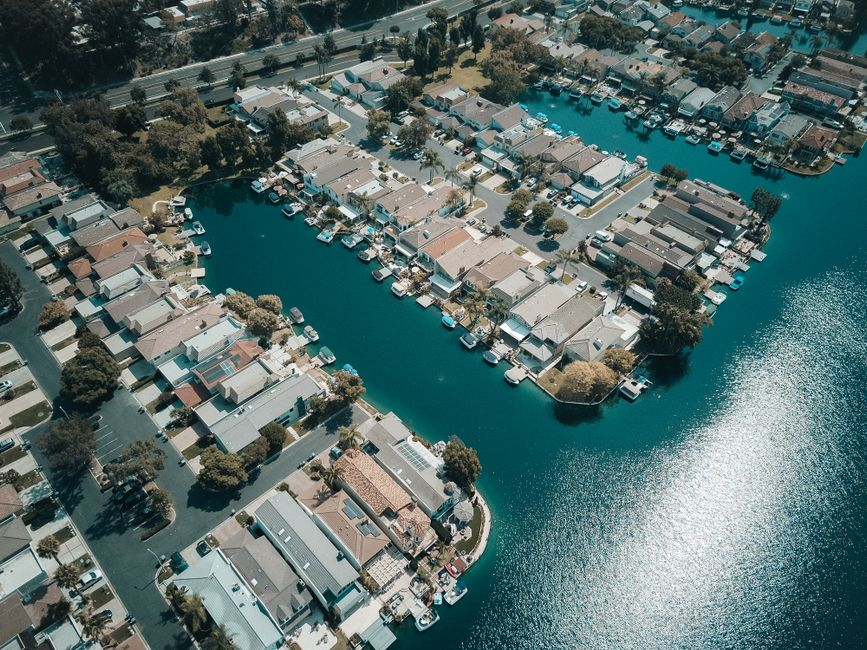
A code violation in Port Charlotte is any property condition that doesn’t meet Charlotte County’s building, zoning, or maintenance codes, and most cases start with a complaint or a routine inspection. Since a 2021 Florida law restricts anonymous complaints in many circumstances, the county now requires more documentation before opening a formal case, though enforcement still moves quickly once a violation is confirmed. Resolving the case means correcting the underlying issue and passing re-inspection before it escalates into fines or a lien. As a licensed Florida General Contractor (CGC1524141) and Plumbing Contractor (CFC1430823), our team handles both the permitting and the physical repair needed to resolve the violation.
Table of Contents
- Understanding Code Violations in Port Charlotte
- How to Report a Code Violation in Port Charlotte
- The 2021 Florida Law: Why Anonymous Complaints Are Blocked
- The Enforcement Process: From Complaint to Compliance
- What to Do If You Receive a Code Violation Notice
- Frequently Asked Questions About Port Charlotte Code Violations
- Get Professional Help with Your Port Charlotte Code Violation
What Counts as a Code Violation in Port Charlotte?
*What the County Enforces (and What It Ignores)*
Charlotte County Code Compliance enforces a defined set of property standards across Port Charlotte and unincorporated areas. The county lists specific violation types on its official pages, and knowing what qualifies before you file can save you time and frustration.
The most commonly enforced violations include junk-like conditions on residential property, abandoned motor vehicles and watercraft left on private land, tall grass and weeds exceeding height limits, setback encroachments, unpermitted construction or renovation work, landscape inspection failures, improper signage, and commercial changes of occupancy completed without approval.
One critical local nuance involves tall grass reporting. The Accela Citizen Access Portal requires users to select a separate case type labeled “CE – High Grass and Weeds Only” if grass is the sole complaint. If you are reporting multiple violations, including tall grass alongside other issues, you must choose a different case type. Selecting the wrong category can delay processing or cause your submission to be routed incorrectly.
The vacant lot exception often surprises new homeowners. Charlotte County explicitly states that tall grass on undeveloped, vacant lots is not a violation. If the overgrown parcel next door has no structure on it, Code Compliance will not act on a grass complaint, regardless of how high the weeds grow. This policy reflects the county’s distinction between occupied residential properties and undeveloped land.
Illegal dumping falls outside Code Compliance entirely. The Solid Waste division of Public Works handles dumped debris, furniture, and trash through a dedicated hotline at 1.866.Y.DUMP.CC. Filing an illegal dumping complaint through the code enforcement portal will route your report to the wrong department and cause unnecessary delays.
How Do You Report a Code Violation in Port Charlotte?
*Three Methods, One Rule: No Anonymity*
Charlotte County provides three reporting channels, but all share a common requirement: you must identify yourself. The 2021 Florida legislative change prohibits code inspectors from initiating investigations based on anonymous complaints, with one narrow exception for imminent threats.
Method 1: The Accela Citizen Access Portal (Recommended)
The Accela Citizen Access Portal is available 24 hours a day, seven days a week, and represents the most efficient way to file and track a Port Charlotte code violation. To use it, you must first register an account with your name, address, and contact information. The system will reject any submission that does not include verifiable reporter details.
Once registered, select the appropriate case type for your complaint. Pay close attention to the “High Grass and Weeds Only” distinction mentioned earlier. Upload clear photographs that document the violation. Photos should show the condition in context, ideally with date stamps or reference points that establish location and severity. Submit the complaint, and the system will generate a case number.
You can track your case at any time using the “Search Cases and Records” feature. Enter the case number or the property address to view status updates, inspection notes, and resolution details. The portal provides transparency without requiring phone calls or office visits.
Method 2: The One View System
The One View system offers an alternative online interface that integrates property records with complaint submission. This method works best when you need to cross-reference parcel ownership, zoning designations, or historical permit data before filing. One View pulls from county GIS and tax records, giving you a fuller picture of the property in question. The same identification requirements apply here as with the Accela portal.
Method 3: Phone Reporting (For Emergencies Only)
Phone reporting is reserved for imminent threats. Call 941.743.1201 and press “2” for Code Compliance. This channel exists solely for situations involving immediate danger to public health, safety, welfare, or imminent destruction of habitat and sensitive environmental resources. Examples include a structurally unstable building at risk of collapse, exposed electrical hazards, or active contamination of protected wetlands.
This phone line is the only path for the anonymous complaint exception. If your situation meets the imminent threat threshold, you may report without providing your identity. Routine nuisance complaints, even serious ones, do not qualify. Attempting to use the phone line for a standard tall grass or junk vehicle complaint will result in a referral back to the online portal.
The 2021 Florida Law: Why Anonymous Complaints Are Blocked
*Privacy, Public Records, and the “Who Reported Me?” Question*
In 2021, the Florida legislature passed a law prohibiting local code enforcement agencies from initiating investigations based on anonymous complaints. The change aimed to curb weaponized reporting, where neighbors filed baseless complaints to harass property owners while hiding behind anonymity. Charlotte County implemented the law by requiring contact information for all online submissions and restricting phone-based anonymous reporting to imminent threat scenarios only.
This raises a question that appears frequently in search results: can you find out who reported you to code enforcement in Port Charlotte? The county holds the reporter’s name and contact information on file as part of the case record. However, this information is not publicly displayed on the Accela portal or in standard case search results. A property owner who receives a violation notice will not see the reporter’s identity listed on the mailed documents.
Florida’s broad public records laws complicate the matter. A determined property owner could theoretically file a formal public records request for the complete case file, which may include the reporter’s information. Whether that information is released depends on specific exemptions and the county’s interpretation of disclosure requirements. In practice, most routine violation cases do not lead to such requests, and the system generally protects reporter privacy during normal enforcement proceedings.
For those considering filing a report, the takeaway is straightforward: your name will be on file, but it will not appear on publicly accessible case summaries. The county designed this balance to discourage frivolous complaints while still enabling legitimate enforcement actions. If you have genuine concerns about retaliation, discuss them with Code Compliance staff before filing.
The Enforcement Process: From Complaint to Compliance
*What Happens After You File a Port Charlotte Code Violation*
Understanding the enforcement timeline helps set realistic expectations, though the county does not publish specific response time targets.
Step one is intake and inspection. After you submit a complaint, Code Compliance staff review the details and determine whether the reported condition falls within their enforcement authority. If it does, an inspector schedules an on-site visit to the property. The county does not disclose average response times, and caseload volume significantly affects how quickly an inspector arrives. A complaint about an immediate safety hazard will receive priority over a cosmetic issue.
Step two is the Notice of Violation. If the inspector confirms a violation exists, the property owner receives a formal notice via certified mail. This document identifies the specific violation, cites the relevant ordinance section, and states the corrective action required. The notice also includes a compliance deadline, which varies based on the nature and severity of the violation.
Step three is voluntary compliance, the county’s preferred resolution method. Property owners who correct the violation within the stated timeframe avoid fines and further enforcement action. The inspector will conduct a follow-up visit to verify compliance and close the case. Most Port Charlotte code violation cases resolve at this stage.
Step four triggers if voluntary compliance fails. The case proceeds to the Code Enforcement Special Magistrate, or CESM. This independent official conducts hearings, reviews evidence, and has the authority to assess fines and order liens against the property. The CESM process includes formal notification to the property owner and an opportunity to present their side.
Step five is final resolution. If the CESM imposes fines and the property owner does not pay, the county can file a lien against the property. Unresolved liens can prevent property sales, complicate refinancing, and eventually lead to legal action for collection.
What to Do If You Receive a Code Violation Notice
*Property Owner Guidance*
Receiving a certified letter from Code Compliance can feel alarming, but the worst response is no response at all. That certified mail triggers a legal clock. Ignoring the notice does not make the violation go away; it accelerates the path to fines and potential liens.
Read the notice carefully before doing anything else. It will specify the exact violation, the ordinance section if cited, the corrective action required, and the deadline for compliance. Some notices address straightforward issues like cutting overgrown grass or removing an inoperable vehicle. Others involve more complex matters such as unpermitted additions, electrical work, or structural modifications that require a licensed contractor to resolve.
Document everything from the moment you receive the notice. Take photographs of the condition as it exists, then photograph the same areas after you complete corrections. Keep copies of every piece of correspondence you send or receive from Code Compliance, including emails, letters, and notes from phone conversations. This documentation becomes essential if the case escalates or if you need to prove compliance at a later date.
If you need more time, request an extension before the deadline expires. The county’s stated preference for voluntary compliance means inspectors often grant reasonable extensions when property owners communicate proactively. A phone call explaining that you have scheduled a contractor but need two additional weeks will generally be received better than silence followed by non-compliance.
Property owners have the right to appeal a violation finding or a CESM-imposed fine. While the county’s public-facing content does not detail the appeal procedure step by step, you can request a hearing before the Code Enforcement Special Magistrate to contest the citation. Contact the phone number listed on your notice to initiate this process. Be prepared to present evidence, including photographs, permits, contractor statements, or other documentation that supports your position.
Frequently Asked Questions About Port Charlotte Code Violations
Can I report a violation anonymously in Port Charlotte? No, unless the situation presents an imminent threat to public health, safety, welfare, or habitat destruction. For qualifying emergencies, call 941.743.1201 and press “2.” All routine complaints require identification through the Accela portal or One View system.
How long does code enforcement take to respond? Charlotte County does not publish specific response time targets. Response speed depends on current caseload, inspector availability, and the severity of the reported violation. Safety hazards receive priority over aesthetic complaints.
What are the fines for a code violation? The Code Enforcement Special Magistrate sets fines on a case-by-case basis. The county does not publish a standardized fine schedule for common violations. Fines can accrue daily for ongoing non-compliance and may reach significant amounts before a lien is filed.
Is tall grass on a vacant lot a violation? No. Charlotte County explicitly exempts undeveloped vacant lots from tall grass and weed enforcement. Only occupied residential properties with structures are subject to grass height regulations.
Where do I report illegal dumping? Contact the Solid Waste division of Public Works at 1.866.Y.DUMP.CC. Illegal dumping is not handled by Code Compliance, and filing through the wrong department will delay resolution.
Get Professional Help with Your Port Charlotte Code Violation
If you have received a violation notice for unpermitted construction, structural deficiencies, electrical hazards, or other building-related issues, a licensed contractor can help you navigate the correction and permitting process. Many violations involving unpermitted work require more than a simple fix; they demand retroactive permits, inspections, and sometimes partial reconstruction to meet current code standards.
Code Violation Contractor specializes in bringing Port Charlotte properties back into compliance. Whether you need corrective construction, assistance with the permit process, or a professional assessment of what your violation notice actually requires, our team understands the local enforcement landscape. You can learn more about how we help homeowners on our services page. Do not let a violation escalate to fines or liens. Reach out through our contact page to discuss your specific situation and get a plan in place before your compliance deadline passes.

0 Comments