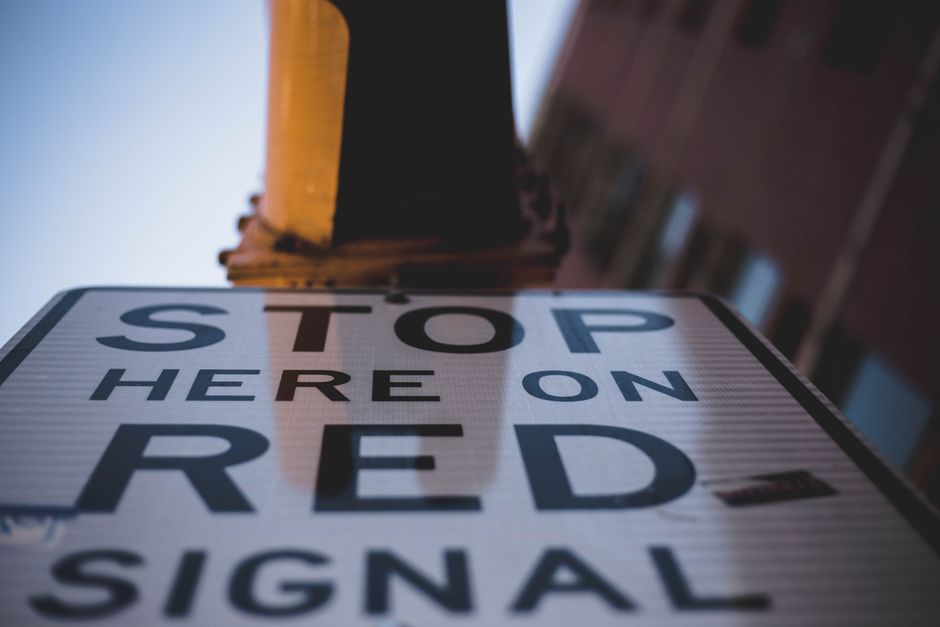
A commercial stop work order in Florida halts all construction activity the moment it’s posted, and reopening usually takes anywhere from a few days to several weeks depending on how fast the underlying permit violation gets corrected. It is a legally binding directive, not a warning, and daily fines (starting around $500) begin accruing while the site sits idle. Business owners who skip permits to save time on a build-out are the most common target: an inspector spots unpermitted work, posts a red tag, and the opening date evaporates. The fastest path back to work is correcting the violation and filing the retroactive permit through a licensed contractor who can do both the paperwork and the physical fix. As a licensed Florida General Contractor (CGC1524141) and Plumbing Contractor (CFC1430823), our team handles both the paperwork and the physical repair needed to lift a commercial stop work order.
Table of Contents
- What Is a Commercial Stop Work Order?
- Common Triggers for a Commercial Stop Work Order
- The High Cost of Doing a Build-Out Without a Permit
- How to Respond When You Receive a Commercial Stop Work Order
- How Long Does a Commercial Stop Work Order Last?
- How to Prevent a Commercial Stop Work Order
- Commercial Stop Work Order vs. Residential: Key Differences
- Frequently Asked Questions About Commercial Stop Work Orders
- Key Takeaways
This article explains what a commercial stop work order actually is, what triggers one, how to respond when that red tag appears, and why doing a build-out without a permit is one of the costliest mistakes a business can make. The goal is not to frighten you. The goal is to make sure you never have to live through the scenario described above.
What Is a Commercial Stop Work Order?
A commercial stop work order is an official legal directive issued by an authorized agency or official that halts all or part of the construction activity on a commercial project. The order remains in effect until the cited violations are corrected and the issuing authority lifts the order. It is not a contract termination. It is a suspension, and it carries the full weight of the law behind it.
Stop work orders come in two forms. A full stop work order shuts down the entire jobsite. No one works, no materials move, and the project enters a state of suspended animation. A partial stop work order halts only a specific trade, area, or activity. Electrical work might be frozen while plumbing continues, or the second floor might be off-limits while the ground floor proceeds. Both types demand immediate compliance.
The list of entities that can issue a commercial stop work order is broader than many contractors realize. Local building departments and code enforcement officials are the most common, but fire marshals, zoning authorities, OSHA inspectors, and state labor departments all have the authority to shut down a project. Under federal contracts, FAR 52.242-15 governs stop-work orders with a default period of 90 days, extendable by mutual agreement. State and local orders follow their own timelines and procedures, which vary significantly by jurisdiction. The key point is this: when an order is posted, the authority behind it is real, and the consequences of ignoring it are severe.
What Triggers a Commercial Stop Work Order?
Permit and Code Violations
Working without a required building permit is the single most common trigger for a commercial stop work order, particularly on tenant improvements and build-outs. A business owner eager to open quickly may view the permit process as bureaucratic delay, but the building department views it as a non-negotiable public safety requirement. Even when a permit is pulled, failing to call for required inspections at key milestones, such as framing, electrical rough-in, or plumbing, can result in an immediate stop work order. Deviations from approved plans also create exposure. A field change that seems minor to the contractor can be flagged during a site inspection and halt the entire project until revised drawings are submitted and approved.
Safety and Health Hazards
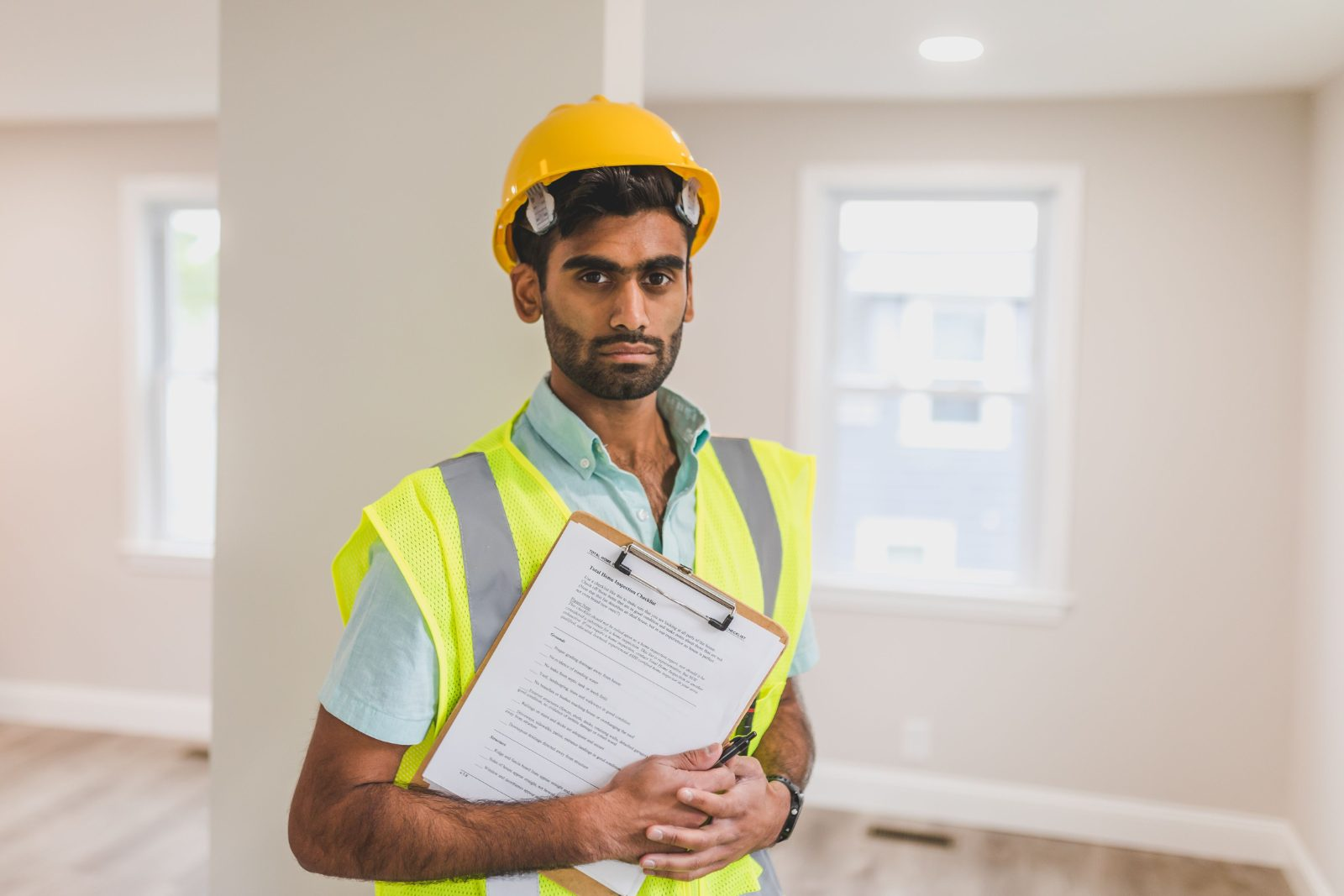
OSHA violations are a frequent and preventable trigger. Fall protection gaps, unsafe scaffolding, electrical hazards, and confined space entry violations can bring federal or state safety inspectors to the site with the power to shut it down. Fire code violations are equally potent. Blocked egress paths, missing or non-functional fire suppression systems, and improper storage of combustible materials can prompt a visit from the fire marshal and an immediate stop work order. Environmental hazards add another layer of risk. Disturbing asbestos without proper abatement procedures, mishandling lead paint, or allowing sediment runoff into storm drains can trigger orders from environmental protection agencies at the state or federal level.
Zoning and Land Use Issues
A commercial stop work order can also arise from zoning and land use violations. Building in a restricted zone, exceeding height or setback limits, or violating historic preservation rules can halt work mid-project. A particularly painful scenario occurs when a business operates in a space not zoned for its use class. A restaurant opening in a retail-only zone, or a manufacturing operation in a commercially zoned building, may face a stop work order that threatens the entire business model, not just the construction timeline.
Licensing and Labor Compliance
Unlicensed contracting is a direct path to a stop work order. If the general contractor or any subcontractor lacks the required state or local license, the entire project is at risk. Labor compliance failures are equally dangerous. Worker misclassification, failure to pay prevailing wages on public works projects, and other violations of state labor laws can result in a stop work order issued by the labor department. These orders often come with additional penalties and investigations that extend far beyond the construction schedule.
How Much Does an Unpermitted Build-Out Really Cost?
The temptation to skip permits on a commercial build-out is real. Permit fees cost money. Plan review takes time. Inspections add scheduling complexity. But the math changes dramatically when a stop work order arrives. What looked like a shortcut becomes a financial sinkhole.
Daily fines are the most immediate cost. Depending on the jurisdiction, fines can range from $100 to over $5,000 per day, and they accrue from the date the order is posted until compliance is achieved. A two-week delay to resolve a permit issue can generate fines that dwarf the original permit fee many times over. Beyond the fines, the business owner faces lost revenue from a delayed opening. A restaurant that planned to open in June and now cannot open until September loses three months of income while still paying rent, utilities, and loan payments. Contractual penalties from lenders, investors, or franchise agreements may add another layer of financial damage.
Insurance implications are often overlooked until it is too late. A stop work order may void builder’s risk coverage, leaving the owner exposed to theft, vandalism, or weather damage during the stoppage. Standard general liability policies do not cover fines or delay-related losses. If a loss occurs on an unpermitted jobsite that has been red-tagged, the insurer may deny the claim entirely. The reputational damage extends beyond the current project. A stop work order becomes part of the property’s inspection history, visible to future buyers, tenants, and lenders. Landlords may be reluctant to lease to a business with a history of code violations, and contractors may be wary of working on a property with a troubled compliance record.
How to Respond When You Receive a Commercial Stop Work Order
Immediate Steps (First 24 Hours)
The moment a stop work order is posted, all work must cease. Continuing construction after receiving an SWO is not a minor infraction. It can escalate fines, trigger criminal charges, and lead to permanent permit revocation. The first action is to read the order thoroughly. Identify the exact violations cited, the issuing authority, the corrective actions required, and any deadlines for response. Secure the jobsite immediately. Lock equipment, cover exposed materials, and post the stop work order in a visible location as required by law. An unsecured site can lead to additional liability if someone enters and is injured. Notify all stakeholders without delay. The property owner, general contractor, subcontractors, insurance agent, and legal counsel all need to know what happened and what the order requires. Delaying these notifications can create confusion and compound the problem.
Corrective Action and Compliance
The path to lifting the order begins with direct communication with the issuing authority. Call the contact listed on the order and ask specific questions. What documentation is required? Which inspections must be scheduled? Is a retroactive permit possible, or must new plans be submitted? If the violation involved unlicensed work, hire a licensed contractor immediately. If structural issues were cited, engage a structural engineer to assess the situation and prepare remediation plans. Submit corrected plans, obtain any retroactive permits the jurisdiction allows, and schedule the required inspections as quickly as possible. Document every step of the process. Photographs, receipts, correspondence, and inspection reports create an audit trail that demonstrates good-faith compliance and may help reduce penalties.
Legal and Contractual Considerations
A commercial stop work order has legal and contractual dimensions that extend beyond the building department. Review your contract for force majeure clauses, suspension of work provisions, and change order procedures. These clauses may determine who bears the cost of the delay and the corrective work. Consult an attorney who specializes in construction law, particularly if the stop work order involves disputes between the owner and contractor or if the violations are complex. Most jurisdictions offer an appeal process for stop work orders, but the window is often short, typically 10 to 30 days from issuance. Grounds for appeal include factual errors in the order, procedural mistakes by the issuing authority, or evidence that the violation has already been corrected. An attorney can help determine whether an appeal is warranted and navigate the hearing process.
How Long Does a Commercial Stop Work Order Last?
There is no universal answer to how long a commercial stop work order lasts, and this uncertainty is one of the most stressful aspects for business owners. The duration depends on the jurisdiction, the type and severity of the violation, and how quickly corrective action is taken. For federal contracts under FAR, the default period is 90 days, extendable by mutual agreement. For local building department orders, a simple permit issue may be resolved in a matter of days if the contractor moves quickly to submit applications and schedule inspections. Structural or safety violations can take weeks or months, especially if engineering analysis, revised plans, and multiple inspections are required.
Daily fines continue accruing until the order is lifted, which creates intense financial pressure to resolve violations as fast as possible. The fastest path to lifting an SWO is proactive communication with the issuing authority and immediate, documented corrective action. Ignoring the order, hoping it will go away, or arguing with the inspector without taking concrete steps only extends the duration and increases the cost.
How to Prevent a Commercial Stop Work Order
Prevention is far cheaper than remediation, and the steps are straightforward. Secure all required permits before breaking ground. This includes building permits, electrical permits, mechanical permits, plumbing permits, and any special use permits required for the commercial activity. A pre-construction meeting with the local building department can clarify expectations and prevent misunderstandings that lead to violations later.
Hire only licensed, insured contractors and verify their credentials through the state licensing board before signing contracts. Check subcontractor licenses as well. An unlicensed sub can shut down the entire project. Schedule and pass all required inspections at the correct milestones. Do not let work proceed past an inspection point without approval, even if the delay is inconvenient. Maintain a complete set of approved plans on-site at all times, and do not deviate from them without submitting and receiving approval for a formal change order. Conduct regular internal safety audits and address hazards immediately. OSHA violations are among the most common and most preventable triggers for a stop work order. A safety walkthrough at the start of each week can catch issues before an inspector does.
If you are dealing with the aftermath of a stop work order or need help navigating code violations on a commercial property, professional assistance is available. The team at Code Violation Contractor specializes in resolving complex code enforcement issues and can help you get your project back on track.
Commercial Stop Work Order vs. Residential: Key Differences
Commercial projects face a higher level of scrutiny than residential work, and the consequences of a stop work order are typically more severe. Multiple agencies may have jurisdiction simultaneously. A single commercial project can fall under the authority of the building department, fire marshal, zoning board, health department, and state labor agency, each with the power to issue a stop work order for violations within their domain. Fines and penalties are generally higher for commercial violations, reflecting the greater scale, occupancy loads, and public impact of commercial buildings. Tenant improvements and build-outs add contractual complexity. The landlord, tenant, and contractor may have conflicting interests and obligations, and a stop work order can trigger disputes over who bears the cost of delays and corrections. Commercial projects also often involve surety bonds, which can be put at risk if a stop work order leads to default or delay, creating additional legal and financial exposure not present in most residential work.
Frequently Asked Questions About Commercial Stop Work Orders
Is a stop work order serious?
Yes, a stop work order is extremely serious. Continuing work after receiving an SWO can lead to escalating fines, permit revocation, civil penalties, and criminal charges in severe cases. The directive is legally binding and should be treated with the same gravity as a court order. The moment the order is posted, the jobsite must go silent.
Can I appeal a commercial stop work order?
Most jurisdictions offer an appeal or hearing process, but the timeline is often short, typically 10 to 30 days from the date of issuance. Grounds for appeal include factual errors in the order, procedural mistakes by the issuing authority, or evidence that the cited violation has already been corrected. An attorney experienced in construction law can evaluate whether an appeal has merit and guide you through the process.
Does insurance cover losses from a stop work order?
Standard general liability policies generally do not cover fines, penalties, or delay-related losses stemming from a stop work order. Builder’s risk policies may be voided if work continues after an SWO is issued or if the project was unpermitted from the start. Some specialized delay-in-startup or business interruption policies may offer limited coverage, but this is policy-specific. Review your coverage with an insurance broker who understands construction risks.
Who is responsible for the costs of a stop work order?
Responsibility depends on the cause of the violation. If the contractor failed to pull required permits, they may bear the cost of fines, delays, and corrective work. If the property owner directed unpermitted work or refused to pay for necessary permits, liability may shift to the owner. Contract terms and state law determine ultimate liability, and legal counsel should review the specific facts of the situation. For help navigating the resolution process, the professionals at Code Violation Contractor can assess your situation and recommend a path forward.
Key Takeaways
A commercial stop work order is a serious legal directive that halts construction until specific violations are corrected. The most common triggers include working without permits, safety hazards, zoning violations, and unlicensed contracting. Doing a build-out without a permit is a high-risk gamble that often leads to costly delays, daily fines, insurance gaps, and reputational damage that follows the property. The correct response is to stop work immediately, read the order carefully, notify all stakeholders, and begin documented corrective action without delay. Prevention is always the better strategy. Secure permits, hire licensed contractors, pass inspections at every milestone, and maintain a safe, compliant jobsite. The cost of doing it right the first time is a fraction of the cost of fixing it after a stop work order shuts you down.



0 Comments