
A stop work order in Pasco County stops all construction activity on a property until the underlying permit violation is corrected and the county signs off on a re-inspection. Pasco County issues these orders when work proceeds without a permit, exceeds the scope of an approved permit, or fails to pass a scheduled inspection, and the fastest way to get one lifted is to correct the issue and file the right paperwork through a licensed contractor. As a licensed Florida General Contractor (CGC1524141) and Plumbing Contractor (CFC1430823), our team handles both the permitting and the physical repair needed to resolve the violation.
Table of Contents
- What Is a Stop Work Order in Pasco County?
- Immediate Steps to Take After Receiving a Stop Work Order
- Understanding Penalties and Fees for Violations
- How to Fix Common Violations That Trigger Stop Work Orders
- Pasco County Permit Fees at a Glance (2026)
- How to Prevent Future Stop Work Orders
- Frequently Asked Questions About Stop Work Orders in Pasco County
- When to Call a Professional for Stop Work Order Resolution
What Is a Stop Work Order in Pasco County?
A stop work order is a formal enforcement action issued by Pasco County Building Construction Services, the department responsible for administering the Florida Building Code locally. When an inspector or code enforcement officer determines that construction activity violates county regulations, they post a red notice on the property that legally halts all work until the violation is corrected and the order is lifted.
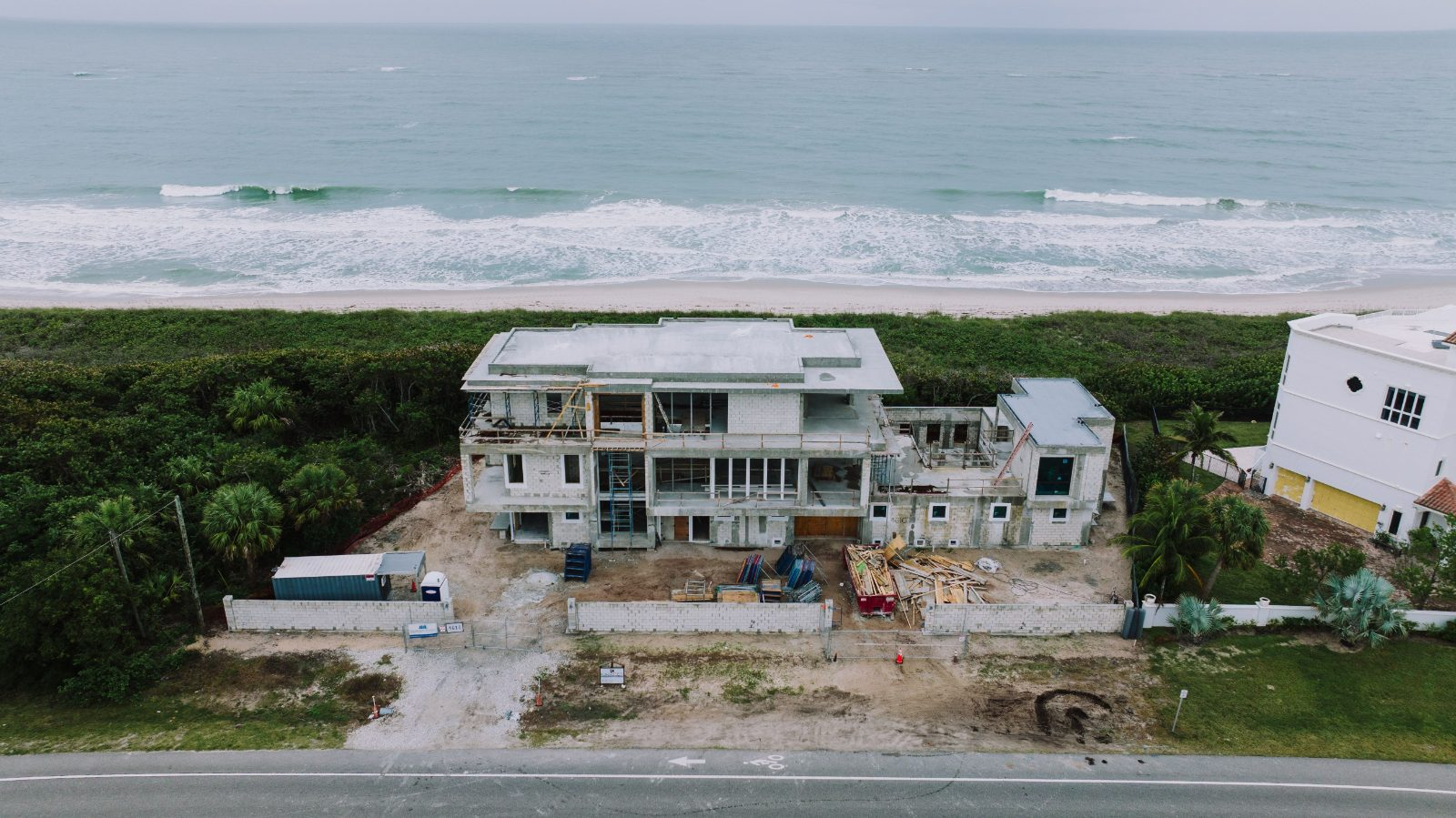
The most common triggers for a Pasco County stop work order include performing construction without the required permits, allowing a permit to expire without scheduling inspections or requesting an extension, failing a critical safety inspection, or deviating from approved plans. In some cases, a neighbor complaint about unpermitted activity prompts the investigation that leads to the order. Regardless of the cause, the order carries the full weight of county enforcement. Ignoring it and continuing work invites escalating fines, potential property liens, and in severe cases, referral to the county attorney for legal action. The county manages all permit and enforcement records through the PascoGateway online portal, and you can reach Building Construction Services directly at 727.847.8126, option 5, or by emailing BCSCustomerService@MyPasco.net during office hours, which run Monday through Friday from 8 a.m. to 4 p.m.
What Should You Do Immediately After Receiving a Stop Work Order?
Stop All Work and Assess the Situation
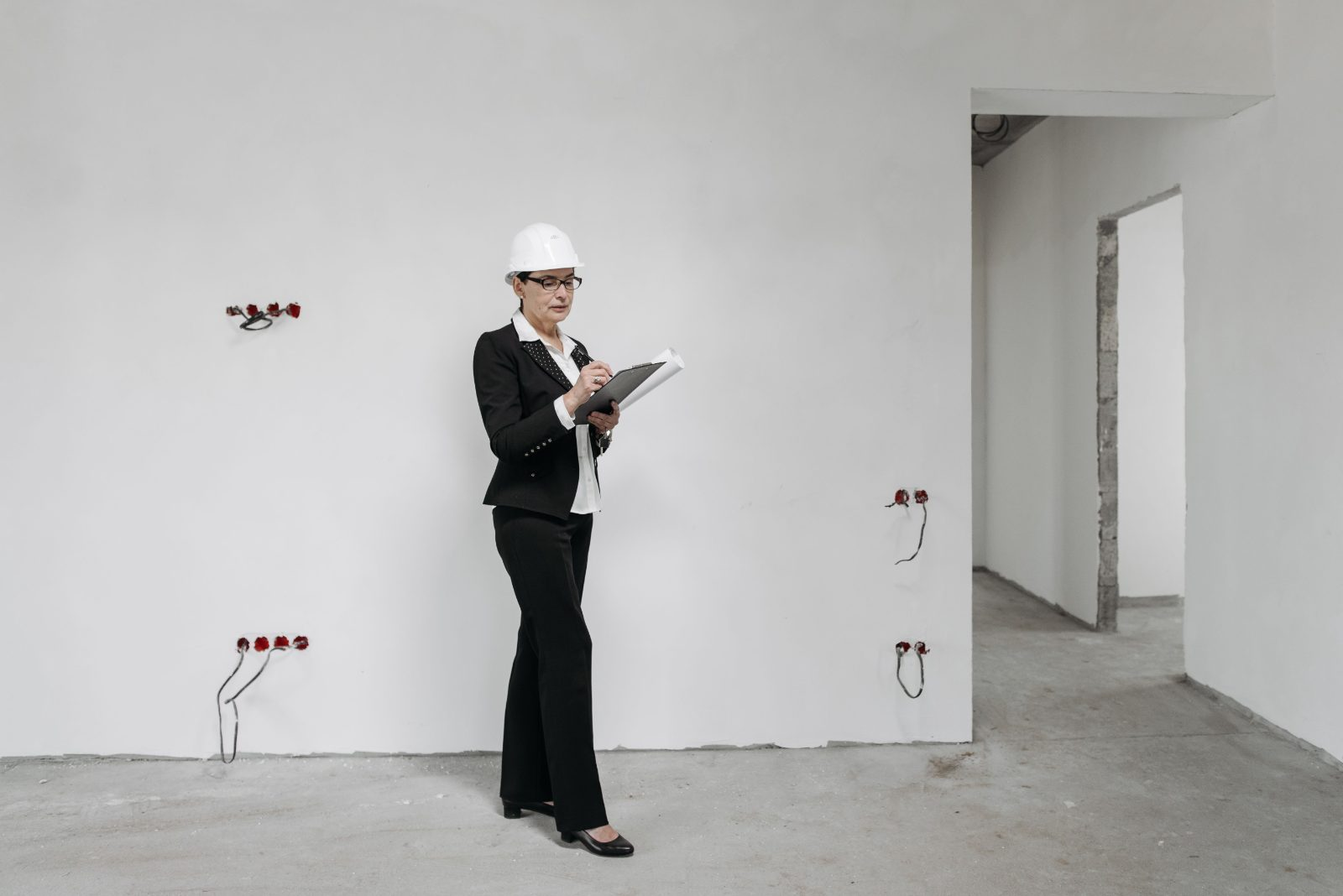
The first and most critical action is to cease all construction activity immediately. Every hour of work performed after the order is posted compounds your exposure to additional penalties and weakens your position when negotiating a resolution with the county. Walk the site, locate the posted order, and carefully read every line. Note the inspector’s name, the case or violation number, and the specific code sections or permit deficiencies cited. Compare what the order alleges against your own permit records, approved plans, and inspection history. Understanding the exact nature of the non-compliance before you pick up the phone puts you in a stronger position to resolve it efficiently.
Contact the Assigned Investigator
Your next call should be to Pasco County Building Construction Services at 727.847.8126, option 5. Ask to speak with the investigator whose name appears on the order. When you reach them, be direct and professional: provide your permit number, the property address, and the violation case number. Request a clear explanation of what corrective actions the county requires to lift the order. In many cases, the investigator will outline a specific path to compliance, whether that means applying for an after-the-fact permit, scheduling a long-overdue inspection, or correcting a safety deficiency. Take detailed notes during this conversation. If the investigator prefers written communication, follow up with an email to BCSCustomerService@MyPasco.net summarizing your understanding of the required steps.
Gather Required Documentation
Resolution moves faster when you have every relevant document at your fingertips. Pull together all active and expired permits, stamped and approved construction plans, inspection reports showing passed and failed results, contractor agreements, and any correspondence you have had with the county about the project. If the stop work order stems from unpermitted work, prepare to submit an after-the-fact permit application through the PascoGateway portal, which carries double the standard permit fee plus a minimum fine of $50. If the issue is an expired permit, locate the date of your last passed inspection. Permits in Pasco County remain valid for six months from the issue date or six months from the last passed inspection, whichever is more recent. Knowing where you stand on that timeline determines whether a simple $50 extension can solve the problem or whether you face a full reapplication.
Understanding Penalties and Fees for Violations
The financial consequences of a Pasco County stop work order depend on the nature and severity of the violation. Unpermitted work triggers the steepest immediate cost: after-the-fact permits are priced at double the standard permit fee, and the county tacks on a minimum fine of $50. For a residential remodel that would normally cost $100 in permit fees, the after-the-fact version jumps to $250 when the fine is included, and larger projects scale accordingly. Re-inspection fees add another layer of cost at $75 per failed attempt, which means every inspection you schedule before the work is truly ready drains your budget. Plan review fees run 25 percent of the permit fee, and permit extensions cost $50 when requested before expiration.
Beyond the fee schedule, unresolved violations carry heavier consequences. The county can place a lien on the property for outstanding fines or compel the removal of structures built without permits. Impact fees, which apply to additions, replacements that increase living area, and commercial work, must be paid in full before a Certificate of Occupancy is issued. A fee study is available for $30 if you need to determine the exact impact fee obligation. Certificates of Occupancy themselves cost $100 for residential and $150 for commercial projects.
How Do You Fix Common Violations That Trigger Stop Work Orders?
Unpermitted Work (After-the-Fact Permits)
When the violation is work done without a permit, the path forward runs through the PascoGateway online portal. You will apply for an after-the-fact permit for the scope of work already completed. The portal calculates the fee at double the standard rate, and the $50 minimum fine is added to the total. Once the application is submitted and fees are paid, the county schedules inspections to verify that the unpermitted work meets current Florida Building Code standards. If the work passes, the permit is closed and the stop work order is lifted. If it fails, you correct the deficiencies and schedule a re-inspection, paying the $75 fee each time. In cases where the unpermitted work cannot be brought into compliance, the county may require partial or complete removal of the structure.
Expired Permits (Reinstatement and Extensions)
Pasco County permits expire six months from the date of issuance or six months from the date of the last passed inspection. If your permit is approaching expiration and work is ongoing, request an extension by emailing Building Construction Services. The $50 extension fee buys additional time, but you must request it before the permit lapses. If the permit has already expired, your options narrow. In some cases, you can pay the extension fee and schedule a final inspection to close out the permit, provided the work is complete and code-compliant. If substantial work remains, you may need to reapply for a new permit and pay full fees, effectively starting over. The stop work order remains in effect until the permit is either closed or reinstated.
Safety or Code Violations
When a stop work order cites specific safety or code deficiencies, the correction path is more prescriptive. Common issues include improper structural bracing, exposed electrical wiring, missing fire blocking, or inadequate egress. Correct the cited issue according to the applicable code section, then schedule a re-inspection. For structural problems, the county may require a report from a licensed Florida engineer certifying that the correction meets code. The $75 re-inspection fee applies, and the inspector will verify that the specific violation is resolved before lifting the order. Do not attempt to address other, uncited issues during this inspection; focus solely on clearing the violations listed on the order.
Pasco County Permit Fees at a Glance (2026)
Understanding the standard fee structure helps you budget for compliance, whether you are pulling a new permit or resolving a violation. Residential new construction runs $0.40 per square foot with a $200 minimum, while residential additions cost $0.35 per square foot with a $150 minimum. Remodels and repairs are priced at $0.30 per square foot with a $100 minimum. In-ground swimming pools carry a flat $250 fee, and mobile home setups are $300 flat. On the commercial side, new construction is $0.50 per square foot with a $500 minimum, additions are $0.45 per square foot with a $400 minimum, and remodels run $0.40 per square foot with a $300 minimum. Plan review adds 25 percent to the permit fee, and permit extensions cost $50. All fees are current as of 2026 but subject to change; verify rates on the PascoGateway portal before submitting any application.
How to Prevent Future Stop Work Orders
Prevention is far cheaper than remediation. Before starting any project, verify permit requirements through the PascoGateway portal or by calling Building Construction Services. Many common homeowner projects fall below the permit threshold: sheds under 150 square feet do not require a permit for the structure alone, though adding electrical, plumbing, or a permanent foundation changes that. Fences under six feet tall without concrete footers are generally exempt. Cosmetic work like painting, flooring replacement, and simple fixture swaps also falls outside permit requirements. For any project that does require a permit, keep it active by scheduling inspections within the six-month validity window. Do not let months pass without activity; a single passed inspection resets the clock.
Homeowners who act as their own contractor on a primary residence must file an Owner Builder Affidavit and complete the Owner is Contractor Registration Form. This pathway is not available for rental properties or homes intended for sale within one year of completion. Finally, a specific warning applies to anyone buying property in Pasco County after the impacts of hurricanes Helene and Milton: verify permits on any recently renovated property before closing. The county has issued an explicit buyer-beware advisory through the PascoGateway portal, noting that unpermitted storm repairs may surface as violations after purchase.
Frequently Asked Questions About Stop Work Orders in Pasco County
What are quiet hours in Pasco County Florida?
Pasco County’s noise ordinance restricts loud construction activity, including power tools, heavy equipment, and hammering, to the hours between 7:00 a.m. and 9:00 p.m. Work outside those hours can generate a separate code enforcement citation on top of any permit-related issues. If a neighbor complains about early-morning or late-night construction noise, a code officer may investigate and find the unpermitted work that triggered the original stop work order. Verify the current noise ordinance language for 2026, as local amendments can shift these hours.
Do I need a permit for a 10×10 shed in Florida?
A 10-foot by 10-foot shed covers 100 square feet, which falls under the 150-square-foot threshold that triggers permit requirements in Pasco County. For the shed structure alone, no permit is needed. However, if you run electrical wiring to the shed, install plumbing, or pour a permanent concrete foundation that anchors the structure to the ground, a permit is required. The distinction matters because many homeowners add a light or an outlet to a shed without realizing that single addition pulls the entire project into permit territory.
What happens if I don’t get a permit for a shed?
Building a shed without a required permit exposes you to the same enforcement sequence as any other unpermitted work. A code officer can issue a stop work order, and you will face double permit fees, a minimum $50 fine, and the cost of bringing the shed into compliance. If the shed cannot meet code as built, the county can order its removal. Enforcement is more likely when the shed is visible from the street or when a neighbor files a complaint. The risk is not theoretical; Pasco County code enforcement actively investigates unpermitted accessory structures.
Can you put up a fence without a permit in Florida?
In Pasco County, fences under six feet in height that do not use concrete footers generally do not require a permit. This covers the majority of residential privacy and boundary fences. Fences that exceed six feet or that incorporate concrete footers for posts do require a permit. If you are replacing an existing fence in the same footprint with the same materials and height, confirm with Building Construction Services whether the replacement qualifies as exempt maintenance or requires a new permit.
When to Call a Professional for Stop Work Order Resolution
Many stop work orders can be resolved by a diligent property owner who follows the steps outlined above. But when violations involve structural engineering, complex electrical systems, or multiple trades with overlapping code requirements, the resolution process can stall. A licensed contractor familiar with Pasco County’s inspection process can diagnose the full scope of corrections needed and manage the re-inspection sequence efficiently.
For property owners who want an advocate handling the county interaction, private provider services offer an alternative path. Firms like Freedom Code Compliance operate as third-party plan reviewers and inspectors, providing an independent route through the compliance process. Specialized code violation resolution services focus exclusively on clearing stop work orders and building code violations, which can be valuable when the violation history is complicated or when the property owner lacks the time to navigate county bureaucracy. If the violation has escalated to a lien filing or legal action, consult an attorney experienced in Florida construction law before making any statements or payments to the county.

0 Comments